


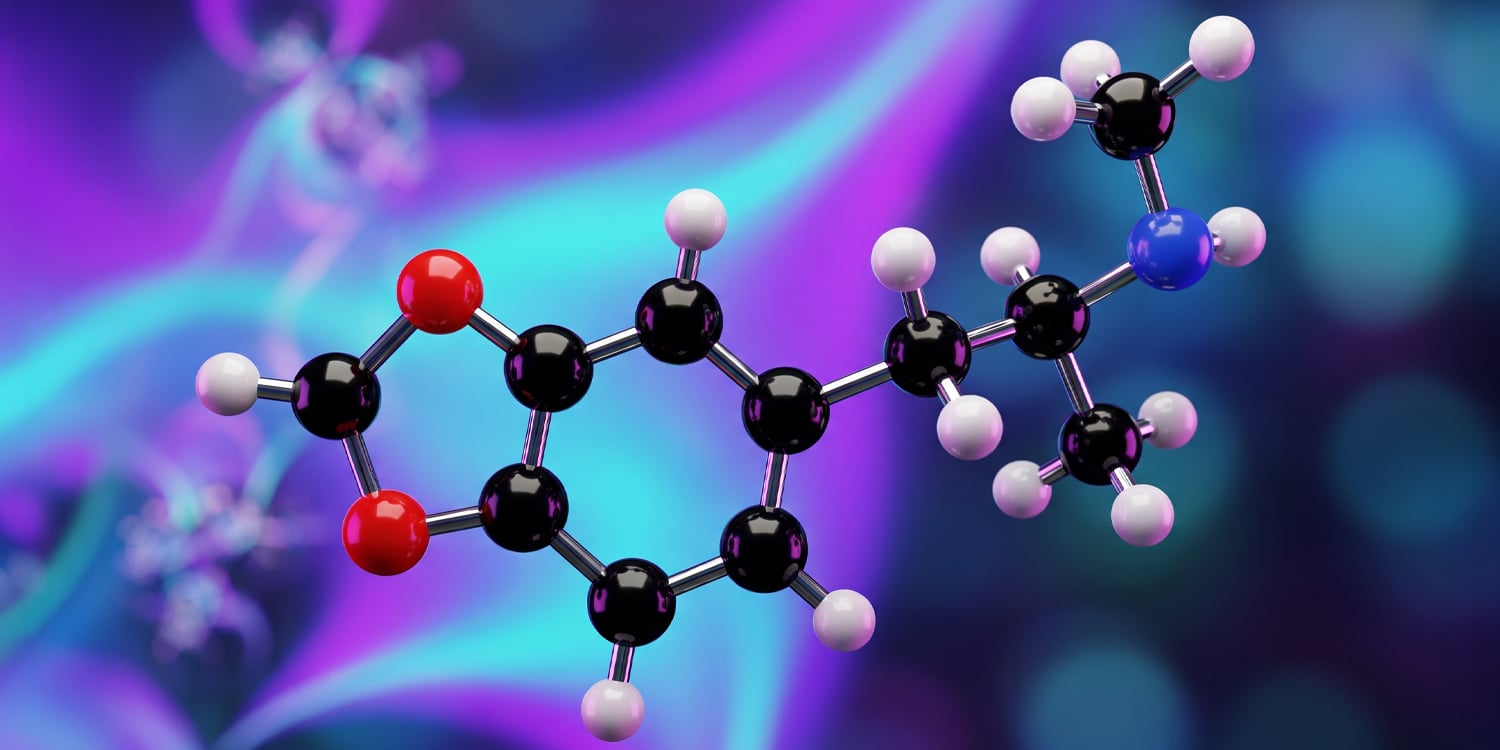
A new rat study suggests that a single dose of MDMA can prevent the rise in alcohol consumption that often follows a traumatic experience, particularly in animals genetically inclined to drink heavily. Researchers say the drug alters how fear is expressed in the moment rather than permanently strengthening the brain’s ability to unlearn fear memories. The findings were published in Neuropsychopharmacology.
Post-traumatic stress disorder (PTSD) is a mental health condition triggered by terrifying events, and many individuals with PTSD also struggle with alcohol use. The relationship is complex and mutually reinforcing, as chronic alcohol use can dysregulate brain stress systems and worsen trauma symptoms over time.
The study builds on earlier work suggesting MDMA-assisted therapy might aid fear extinction, a process where people are repeatedly exposed to trauma-related cues in safe settings until those cues no longer trigger fear. A 2015 study reported by PsyPost indicated MDMA before such exposure could accelerate fear extinction in mice.
Beyond animal research, early human studies have hinted that MDMA-assisted therapy could ease symptoms of both PTSD and addiction, including a small, uncontrolled 2021 pilot study exploring its safety and potential for treating alcohol use disorder. The relationship between fear and alcohol appears to be influenced by genetics, with rodent models bred to prefer alcohol showing exaggerated fear responses, suggesting an innate link between anxiety and drinking.
The researchers—led by Kade L. Huckstep, Billi Newton and Leigh C. Walker of the Florey Institute of Neuroscience and Mental Health and the University of Melbourne—set out to determine whether MDMA administered to trauma-like subjects could curb trauma-triggered drinking in animals predisposed to heavier alcohol use.
“One of the challenges with clinical trials of MDMA-assisted therapy is determining how much of the observed benefit is attributable to MDMA itself,” Walker, deputy lead of Mental Health Research and Group Head of the Hormone and Behaviour Laboratory at the Florey Institute, told PsyPost. “Because the subjective effects of MDMA are very noticeable, effective blinding can be difficult, and factors such as expectancy and the therapeutic setting may also influence outcomes.”
To mirror real-world research as closely as possible, the team developed a rodent model that reflected ongoing clinical trials investigating MDMA in people with co-occurring PTSD and alcohol use disorder. “This allowed us to examine the effects of MDMA in a highly controlled setting, without expectancy or placebo effects, and determine whether MDMA itself alters fear-related behaviour and alcohol consumption,” Walker explained. “Importantly, we also wanted to identify any unintended effects, e.g., whether MDMA could worsen fear-related behaviour or alcohol consumption under particular conditions, an important factor relevant to our clinical collaborators conducting the corresponding human trials.”
In the experiment, 53 Indiana alcohol-preferring rats, bred to voluntarily consume high amounts of alcohol, and 64 standard outbred Wistar rats, both male and female, underwent auditory fear conditioning. A tone was paired with a mild one-second foot shock to teach the animals to associate the sound with an aversive event, prompting them to freeze in response. A control group heard the tone without shocks.
After conditioning, all rats were given intermittent access to a twenty per cent alcohol solution for six weeks to establish voluntary drinking, followed by three weeks of abstinence. At the end of abstinence, animals received either MDMA or saline. Thirty minutes later, they entered a fear extinction session—tones played repeatedly without shocks. The next day, they underwent a drug-free recall test, then had eight sessions of alcohol access to measure post-treatment drinking.
The results showed that initial fear conditioning modestly increased later alcohol consumption only in the Indiana alcohol-preferring rats. The Wistar rats learned to fear the tone just as strongly, but their trauma did not translate into increased drinking versus unshocked controls, indicating trauma-related drinking may depend on genetic vulnerability to heavy alcohol use.
MDMA given before extinction altered the animals’ immediate responses to the tone. In the extinction session, the Indiana rats on MDMA froze more overall, while female Wistar rats on MDMA froze less. However, the drug did not improve memory of the extinction learning in the drug-free recall test among any group. Despite that, MDMA demonstrated a modest protective effect against trauma-induced drinking in the Indiana rats that had experienced fear conditioning, with no escalation observed in the MDMA-treated group compared with saline-treated controls.
“For us, the most important finding was not necessarily how large the effect was, but that it differed depending on the animals we studied,” Walker noted. “MDMA reduced drinking in rats that were particularly vulnerable to high alcohol use and more stress sensitive — and this effect persisted over 3 weeks. It will be interesting to see whether a similar pattern emerges in clinical trials, and whether particular groups of people may benefit more from MDMA-assisted therapy than others.”
A separate group of 25 Indiana rats, bred for high alcohol preference but alcohol-naive, underwent the same conditioning, MDMA exposure and extinction, skipping the weeks of drinking. After extinction, they were introduced to alcohol for the first time. MDMA-treated males showed a lower initial intake than controls, but the difference did not persist, with overall drinking converging between groups. This suggests the most reliable benefit of MDMA in this model is preventing long-term escalation of drinking when trauma and prior alcohol experience co-occur.
Walker suggested that the decoupling of fear and drinking behavior was an unexpected outcome. “We were surprised that MDMA’s effects on alcohol consumption did not seem to be directly linked to its effects on fear,” she said. “We initially thought that reducing fear responses might also reduce subsequent drinking, but the two effects appeared to be separate. This suggests that MDMA may influence alcohol use through other mechanisms that we still need to understand.”
As with all animal research, caveats apply. The study measured voluntary drinking under a limited-access schedule and did not quantify blood alcohol concentrations, so shifts in drinking may not reflect intoxication-level binges. It also used a single MDMA dose administered thirty minutes before extinction; different dosing or timing could yield different outcomes.
“The main caveat is that this was a study in rats, and our findings should not be taken to mean that MDMA will reduce alcohol use in people,” Walker cautioned. “What the study does show is that responses to MDMA can vary considerably depending on the individual, including their vulnerability to heavy drinking and their sex. Understanding these differences will be important as we learn more from ongoing clinical trials. If so, we can use this model to delve into the mechanisms that may be responsible.”
She added that translating animal findings to humans requires acknowledging the complexity of trauma therapy and the relational support involved in clinical MDMA-assisted psychotherapy. She hoped the model could help unpack the brain and biological mechanisms behind MDMA’s effects and identify who may benefit most from treatment.
“One important lesson from this study is the need to better reflect human diversity in preclinical research,” she said. “By studying co-occurring conditions such as trauma and problematic alcohol use, and considering biological factors such as sex and genetic vulnerability from the outset, we can uncover differences that might otherwise be missed. Keeping these factors at the forefront may help us better understand why treatments work for some people but not others, and ultimately improve how findings from animal studies translate to the clinic.”
The study, “MDMA alters fear extinction, and reduces alcohol consumption in inbred alcohol preferring iP rats but not outbred Wistar rats,” was authored by Kade L. Huckstep, Billi Newton, Grace Bailey, Annai Charlton, Amy J. Pearl, Xavier J. Maddern, Robyn M. Brown, Gavan P. McNally, Dan I. Lubman, Shalini Arunogiri, Kirsten C. Morley, Erin J. Campbell, Andrew J. Lawrence, and Leigh C. Walker.
