


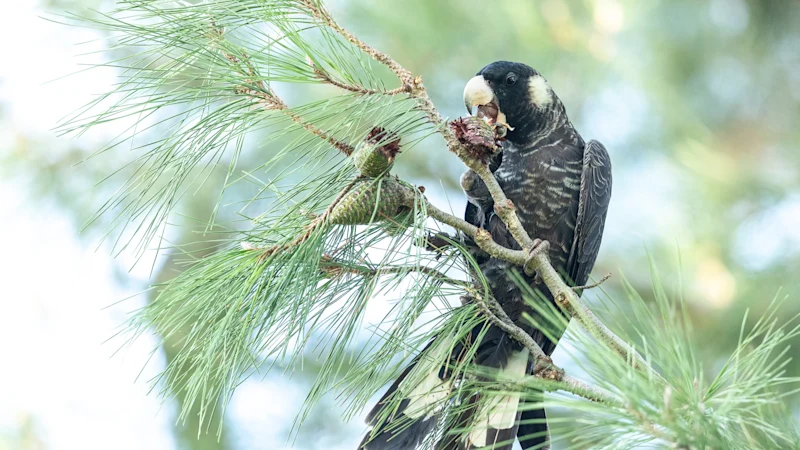
Perth Zoo is to build a dedicated black cockatoo hospital at its South Perth site as Western Australia prepares for the continuing threat of H5 bird flu.
The zoo has awarded a $450,000 tender to Instant Transportables to supply and install four transportable buildings for the triage and care of black cockatoos. The final cost is expected to exceed half a million dollars because the tender does not cover fitting out the facility.
The hospital will be used to treat and stabilise wild birds while keeping them separate from the zoo’s resident animals. It will be built in a back-of-house, non-display area already earmarked for a future conservation and veterinary science precinct.
A Perth Zoo spokeswoman said the impact of avian influenza on black cockatoos, and the number of birds that might require treatment during a local outbreak, remained unknown.
“While we do not yet know what impact avian influenza may have on black cockatoos, nor what effect a local incursion may have on wildlife treatment numbers, it is important that Perth Zoo have the capacity and infrastructure in place to respond,” she said.
The facility is also intended to allow the zoo’s black cockatoo programme to continue, while reducing the risk of disease spreading between incoming wild birds and animals already in its care.
“A key biosecurity principle adopted by zoos and wildlife institutions around the world is to separate wild animal admissions from resident zoological animal collections wherever possible,” the spokeswoman said.
Australia recorded its first confirmed case of H5 flu in a brown skua found at Cape Le Grand in June. There have since been 676 positive cases nationally, including 10 in Western Australia, although the state has recorded no new positive cases since July.
The virus has caused concern among conservationists and the agriculture sector because of its potential to spread rapidly through wild and domesticated bird populations. Poultry events at the Perth Royal Show were cancelled, while 13,000 baby seals were killed by the virus on Heard Island.
Western Australia’s Environment Minister, Matthew Swinbourn, said the absence of recent cases did not remove the need for preparation.
“Bird flu is expected to remain an ongoing wildlife disease, which means continued monitoring, surveillance and preparedness are essential,” he said. “Overseas experience has shown bird flu can spread rapidly through wildlife populations and cause substantial mortality, which is why vigilance and early detection remain critical.”
The hospital follows a Perth Zoo vaccination trial for black cockatoos that began in May.
