


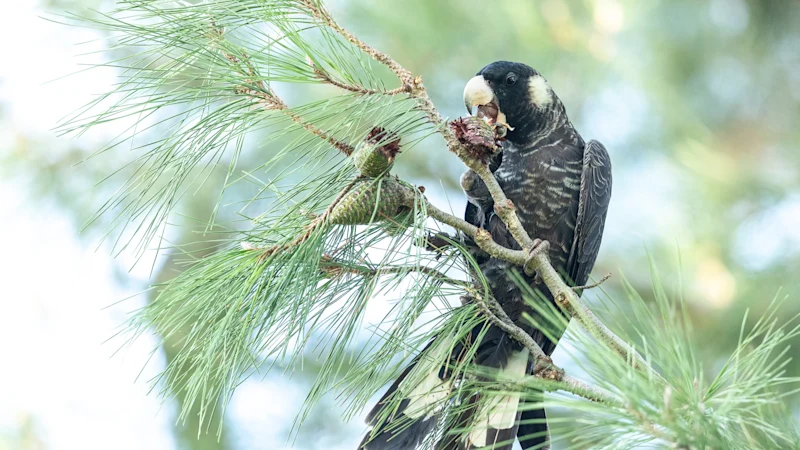
Perth Zoo is to build a black cockatoo hospital at its South Perth site as Western Australia prepares for the potential impact of H5 bird flu on native wildlife.
The zoo last week awarded a $450,000 contract to Instant Transportables to supply and install four transportable buildings. The units will form a triage and care facility for black cockatoos, although the tender does not cover the cost of fitting them out.
The total project is expected to cost at least half a million dollars.
“While we do not yet know what impact avian influenza may have on black cockatoos, nor what effect a local incursion may have on wildlife treatment numbers, it is important that Perth Zoo have the capacity and infrastructure in place to respond,” a zoo spokeswoman said.
The facility will be built in a non-display, back-of-house area within the zoo grounds. The site has already been earmarked in the zoo’s master plan for a future conservation and veterinary science precinct.
It will be kept separate from the zoo’s existing animal hospital and resident collections, allowing injured or sick wild birds to be treated with less risk of disease transmission to animals living at the zoo.
The spokeswoman said the hospital would increase the zoo’s ability to treat and stabilise wild black cockatoos, while allowing its black cockatoo programme to continue safely.
Black cockatoos, including the threatened Carnaby’s black cockatoo, are endemic to south-western Western Australia. The potential impact of bird flu on the species remains unknown, but conservationists are concerned about the consequences for already endangered populations.
The hospital follows a vaccination trial being conducted by Perth Zoo, which began in May.
Australia confirmed its first case of H5 bird flu in June, after a brown skua was found in the remote Cape Le Grand area. There have since been 676 positive cases recorded nationally, while Western Australia has confirmed 10 and has not recorded a positive case since July.
Environment Minister Matthew Swinbourn said the absence of recent cases in the state should not lead to complacency.
“Bird flu is expected to remain an ongoing wildlife disease, which means continued monitoring, surveillance and preparedness are essential,” he said.
“Overseas experience has shown bird flu can spread rapidly through wildlife populations and cause substantial mortality, which is why vigilance and early detection remain critical.”
The virus has affected bird populations internationally and led to the cancellation of poultry events at the Perth Royal Show. On Heard Island, 13,000 baby seals were killed by the disease.
