


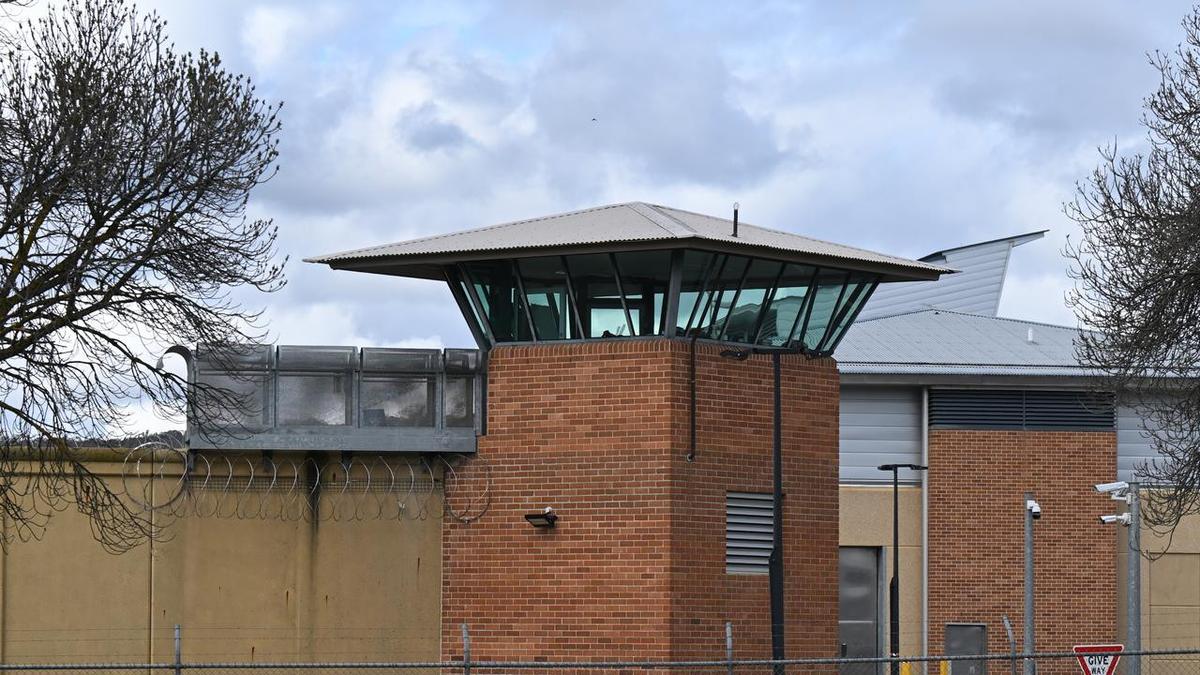
More than 2,500 people in Queensland have lost their voting rights after a law change barred anyone sentenced to more than a year in prison from casting a ballot, with Aboriginal Australians disproportionately affected.
The reform has prompted opposition from lawyers’ groups and civil society organisations, which are at odds with the Queensland Government over whether the measure breaches the state’s human rights act.
Attorney-General Deb Frecklington defended the change, saying: “Law breakers shouldn’t get to elect our law makers.”
However, the Queensland Prisoners Legal Service said the new threshold meant that, for the first time, more than half of the state’s prisoners were ineligible to vote.
Ruimin Gao, the service’s acting director, said only 47 per cent of Queensland’s almost 11,500 incarcerated people could now vote.
She told a Castan Centre for Human Rights Law talk that a sentence of one year did not necessarily indicate that a person had committed a serious offence.
Under the changes, people convicted of offences including unlawful assembly, carrying prohibited items in public or trespass could lose both their liberty and their right to vote.
Ms Gao said Queensland’s prison population had increased by 50 per cent over the past decade, while the number of First Nations prisoners had doubled. Indigenous Australians make up about 5 per cent of Queensland’s population but account for 41 per cent of its prisoners.
Voting rights for prisoners vary across Australia
Queensland’s one-year cut-off is also used in New South Wales and Western Australia. In Tasmania, the Northern Territory and federal elections, prisoners serving terms of up to three years remain eligible to vote.
Victoria bars prisoners serving sentences of at least five years, while no ban applies in South Australia or the Australian Capital Territory, where all prisoners are eligible.
Even where prisoners can vote, enrolment and participation rates are well below those recorded among the general population.
Denham Sadler, chief reporter at Australia’s national prison newspaper About Time, said some prisoners felt they were “used as political pawns” when tough-on-crime policies featured in election campaigns.
He said wider disillusionment with the system, which was often more prevalent among prison populations, also discouraged people from enrolling and taking part.
Tasmania’s ombudsman and custodial inspector, Grant Davies, said higher-than-average illiteracy rates contributed to lower participation and a greater informal vote among prisoners.
He said Australian Electoral Commission estimates showed 57 per cent of eligible voters in Tasmania’s prison population were enrolled in June 2023, compared with about 97.7 per cent across Australia as a whole.
Mr Davies has advocated telephone voting and mobile polling centres as ways to narrow the gap in electoral participation.
