


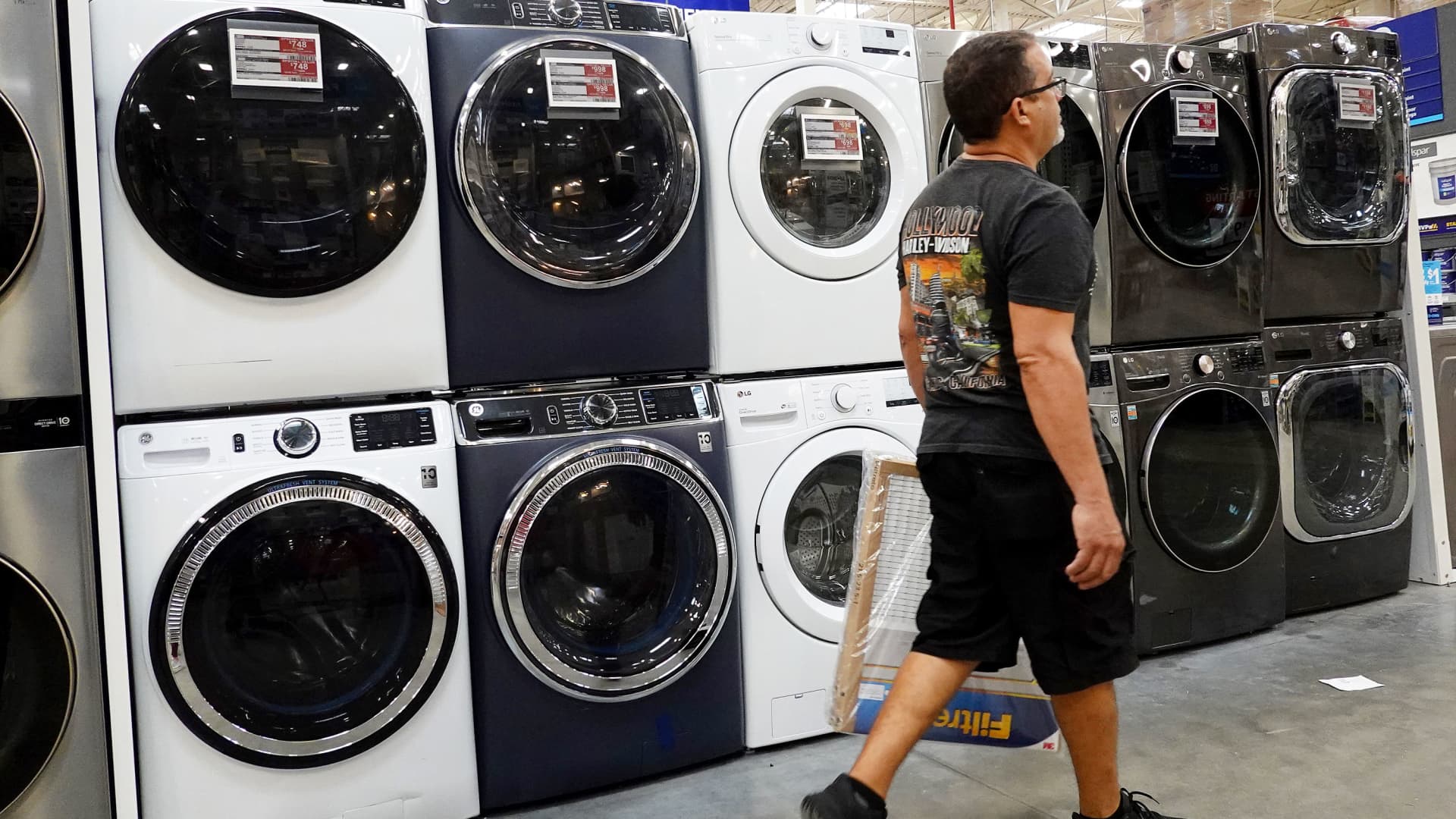
US retailers are preparing for holiday inventory shortages of big-ticket goods as shipping, trucking, fuel and storage costs climb, prompting companies to hold back on products including televisions, grills, washing machines and tumble dryers.
Deborah Weinswig, chief executive of retail analytics firm Coresight Research, said some retailers were carrying “some of the lowest inventory levels on some of these big-ticket items we have seen in history”.
Large products are particularly expensive to move and store. Retailers face higher freight charges to bring goods into the country, increased costs for holding them and more expensive trucking to get them to stores, Ms Weinswig said.
General trucking rates rose by more than 47% year on year during the week of November 2, according to Evercore ISI. Industry experts said a US government crackdown on non-citizen and non-US-based truck drivers operating in the country had contributed to a capacity squeeze.
Fuel surcharges have also risen sharply. The additional fees charged by transport providers to reflect diesel costs were up 64% year on year, Evercore ISI data showed, as diesel prices reached record highs.
Inventory holding costs have been pushed higher by elevated yields on the 10-year US Treasury note, which exceeded 5% in October and remained at multiyear highs in November. Those costs include financing, storage, servicing and the risks associated with unsold goods.
The pressures have left retailers weighing whether to pay more to secure stock or wait for transport rates to ease and risk missing out on the products shoppers want.
Retailers focus on securing capacity
The dilemma has encouraged a cautious, wait-and-see approach following early holiday sales in October. UPS chief executive Carol Tomé said the company was only beginning to receive peak-season forecasts from customers during an earnings call on October 27.
Derek Leathers, chief executive of trucking company Werner Enterprises, said higher rates and more expensive capital were leading retailers to focus closely on avoiding excess inventory.
However, retailers are still prepared to pay for transport when necessary. “The bigger concern right now is wanting to make sure they have their capacity locked in,” Mr Leathers said. “You can’t sell it if it’s not on the shelf.”
Holiday sales in 2026 are expected to exceed 1 trillion US dollars, according to Bain & Company’s annual forecast, with inflation contributing to the increase and consumer spending expected to remain healthy.
Retailers could offer deeper discounts later in the season to clear stock and avoid the cost of moving, storing or disposing of unsold goods, said Bill Catania, chief executive of logistics technology company OneRail.
More gig workers and drones for last-mile deliveries
ShipMatrix expects 2.4 billion packages to be delivered during the 2026 holiday peak, a 4% rise on the previous year. The increase is likely to encourage retailers to make greater use of gig-economy couriers, particularly during the final rush of shopping.
Gig workers allow retailers and delivery companies to respond quickly to changes in order volumes without the expense and time involved in hiring and training permanent staff. Mr Catania said the model offered fast fulfilment, although other delivery methods could provide better unit economics.
Retailers are also expected to use drones more widely for smaller items. Amit Regev, chief executive of drone company Flytrex, said the company was in talks with retailers about holiday deliveries as customers increasingly expect rapid fulfilment.
Lowe’s said in September that it would launch a drone delivery service with DoorDash and Alphabet’s Wing. Amazon has said it aims to offer drone deliveries in almost 500 US cities and towns by the end of the year.
Flytrex currently delivers for Walmart and restaurants including Little Caesars and Papa John’s. Mr Regev said customers may choose not to order from retailers if delivery takes too long, making drones an increasingly attractive option for companies seeking to meet demand for instant delivery.
