


Tesla is winding down Cybertruck production at its Gigafactory Texas plant around the middle of next year, Elon Musk has said, as the electric vehicle maker prepares to increase output of its autonomous Cybercab.
Musk announced the change in a post on X, saying: “Tesla will be winding down production of the Cybertruck at Gigafactory Texas around the middle of next year to make room for increased Cybercab production.”
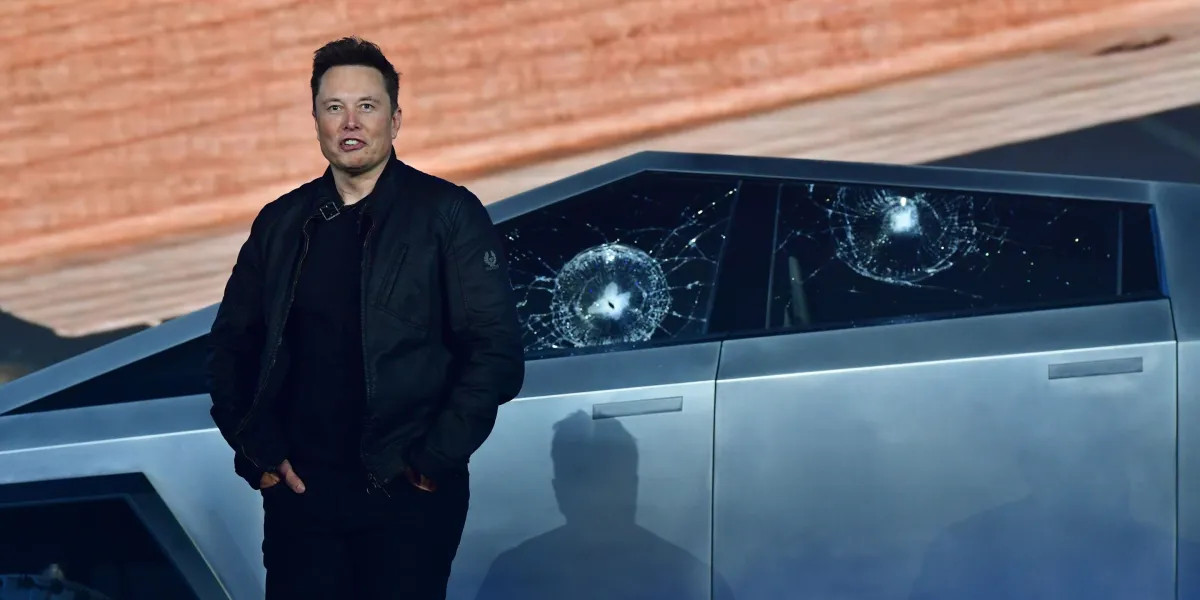
The decision marks a retreat from a vehicle once presented as a defining product for Tesla. Musk unveiled the angular electric pick-up at a high-profile event in 2019 and described it at the time as the company’s “best product ever”.
However, production was delayed until 2023, two years later than originally promised, and sales have fallen well short of the 250,000 to 500,000 vehicles Musk had predicted Tesla could eventually produce each year.
Estimates from Kelley Blue Book indicate that Tesla sold 38,965 Cybertrucks in the US in 2024. That figure fell to 20,237 in 2025, a decline of 48 per cent.
Cox Automotive, Kelley Blue Book’s parent company, estimated that 7,263 Cybertrucks were sold during the first half of this year, suggesting another year-on-year fall in sales. Tesla does not report Cybertruck sales separately in its public filings.
The vehicle has also become significantly more expensive than the version promoted at its launch. Tesla originally advertised a starting price of 39,900 dollars, while the cheapest available model now costs 92,490 dollars after a series of price increases and the removal of the lower-priced Dual Motor AWD version.
Tesla introduced a rear-wheel-drive Cybertruck in 2025 in an effort to attract more buyers, but withdrew it from the range several months later. The model has faced 11 recalls since customer deliveries began in November 2023, according to Reuters.
Cybercab production takes priority
The production shift reflects Tesla’s growing focus on autonomous vehicles as it seeks new sources of growth beyond traditional electric car sales. Musk has positioned the Cybercab, a two-seat vehicle without a steering wheel or pedals, as central to the company’s plans for autonomous transport and robotics.
The first Cybercabs began operating on roads in Austin, Texas, in September. Tesla also runs Robotaxi services using Model Y vehicles in Houston, Dallas and Fort Worth in Texas, as well as Miami, Orlando and Tampa in Florida, with plans to expand to more US cities.
The Cybercab is not without regulatory challenges. Federal vehicle safety regulators opened an investigation in September into whether Tesla had properly certified that the vehicle complied with federal safety standards.
Tesla submitted answers to questions from the National Highway Traffic Safety Administration at the end of October, but asked for the responses to remain sealed on the grounds that they contained confidential business information. The regulator has not yet ruled on that request.
Tesla is also entering an autonomous taxi market where Alphabet’s Waymo is already operating in 15 US cities. Waymo said earlier this year that it was providing 500,000 rides a week.
The future of existing Cybertruck owners remains unclear. Tesla has not said how long it will continue selling remaining vehicles or supplying replacement parts, although ending production would not necessarily mean support for current vehicles would stop.
Responding to a user who described the announcement as the end of an era, Musk said: “True, but the Cybertruck fleet will be around for a long time.”
