


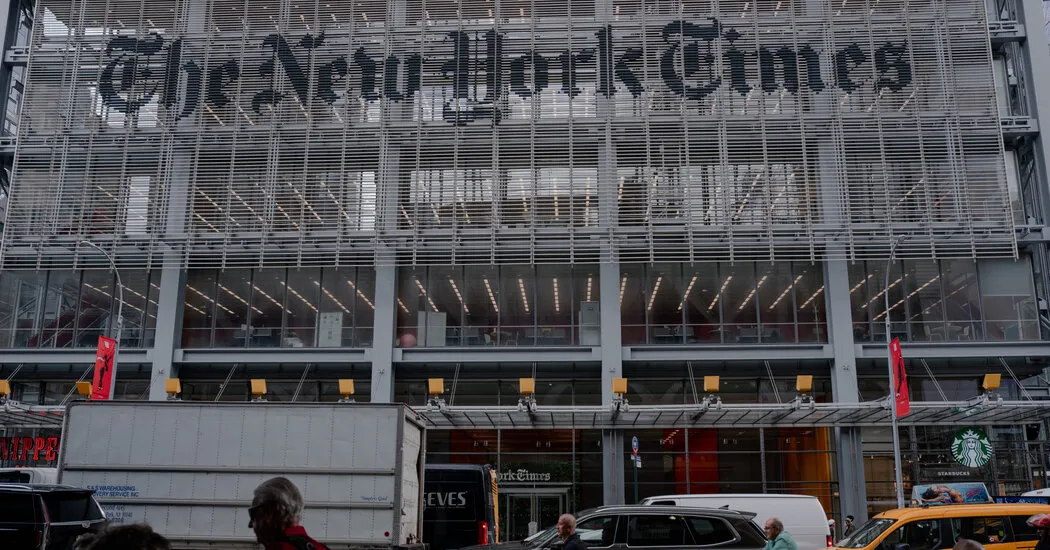
The Trump administration sought LinkedIn data about New York Times reporters as part of an investigation into the source of a 2025 article detailing a failed secret mission in North Korea, a newly unsealed court filing has revealed.
Federal prosecutors disclosed the demand to lawyers for Matthew Cole, a freelance journalist who helped report the article about a botched 2019 operation by a Navy SEAL unit.
The filing indicates that investigators pursued information through two parallel channels. Mr Cole was subpoenaed in February to provide two years of details about his contacts and conversations, while prosecutors also sought records from third parties.
Those records included metadata from six LinkedIn accounts and Mr Cole’s phone records, showing who he had called or received calls from and the length of those conversations.
Lawyers said the six accounts appeared to relate to Mr Cole, four other New York Times journalists named in the article and another person who may not have been a reporter.
The disclosure comes as the Justice Department steps up efforts to identify sources for leaks. The department has subpoenaed reporters at several news organisations this year, searched the home of a Washington Post journalist and considered naming The New York Times as a conspirator in another leak investigation.
Charlie Stadtlander, a spokesman for The New York Times, said the latest disclosure suggested the department had failed to follow its own rules.
“This is another troubling example of the Justice Department violating the law, precedent and even its own guidelines by attempting to extract information from journalists and their communications providers,” he said. “It is an affront to the legal rights protecting a free press.”
Dispute over LinkedIn records
LinkedIn’s parent company, Microsoft, challenged the extent of the demand and a gag order that prevented it from revealing the government’s request. The company had been ordered to provide 18 months of data, but an appeals court last week halted that order.
A unanimous three-judge panel warned that handing over such a broad collection of information could expose the identities of unrelated confidential sources. Judge J Harvie Wilkinson III, writing for the panel, said: “A request by the government to scoop up reporters’ records wholesale and ascertain the identity of their sources would tip the balance against informed discourse in a manner inimical to democratic health.”
Jon Palmer, Microsoft’s chief legal officer, said technology companies had a duty both to their users and to the law. “When users are unaware that the government is seeking their information, technology providers are the last line of defense,” he said.
Mr Cole is seeking to postpone a hearing scheduled for Thursday, where prosecutors want to compel him to testify before a grand jury about his sources. His lawyer, David O’Neil, argues that the court should wait until the dispute over the LinkedIn records is resolved.
Mr O’Neil said the outcome could affect what the court understood about the government’s investigative steps and whether internal regulations had been breached. Prosecutors oppose a delay, saying that a magistrate judge has already recommended that Mr Cole be ordered to give evidence and that the LinkedIn proceedings could take considerable time.
The government has argued that the subpoena was neither improper nor punitive, saying Mr Cole “has never been threatened with jail by any representative of the United States for refusing to testify in response to a grand jury subpoena.”
The article at the centre of the investigation described how a SEAL Team 6 unit entered North Korean territory at night to plant a surveillance device. After the operation was interrupted by a boat, the troops feared they had been detected and killed everyone on board, only to discover that the occupants were unarmed civilians.
The first Trump administration did not inform Congress about the operation. Mr Cole has also written a book about the finances and global connections of Jared Kushner, President Trump’s son-in-law.
