


A team of researchers has estimated the body mass index of female figures depicted in 11 Impressionist paintings, arguing the historical beauty ideals align with modern clinical classifications of obesity and underscoring a shift from past preferences for fuller bodies to contemporary pressures to be exceptionally slim. The study, led by Maria Vittoria Messina with Asia Saturnino and Paolo Pozzilli, an endocrinologist at the Fondazione Policlinico Universitario Campus Bio-Medico in Rome, was published in the International Journal of Obesity.
Throughout history, societies have repeatedly redefined female beauty. The Venus of Willendorf from the Paleolithic era celebrated prominent abdomens and ample breasts as symbols of fertility. During the Renaissance and Baroque periods, artists continued to emphasise voluptuous forms, linking rounded bodies with abundance and sensuality.
By the late 19th century, the Industrial Revolution had altered social structures, with women moving into paid factory work in urban settings while painting continued to idealise curvaceous figures. Impressionist artists, however, persisted in portraying soft, rounded forms as the epitome of feminine beauty.
This artistic preference contrasted with the lived reality of many people at the time, when economic hardship and famine were widespread in Europe. Historical records suggest average weights were generally lower, making clinically defined obesity exceedingly rare; the fuller figures celebrated on canvas represented an ideal rather than a common physical condition.
In the present day, aesthetic ideals have moved in the opposite direction. Runway fashion and digital media are said to promote thinness, contributing to pressures that can influence eating disorders and extreme weight-control behaviours. To explore how expectations have shifted, the researchers analysed historical artworks, focusing on 11 Impressionist paintings featuring female nudes. The works include recognisable pieces such as Degas’s Nude Woman Standing, Drying Herself, Renoir’s Nu allongé, and Cezanne’s Three Bathers.
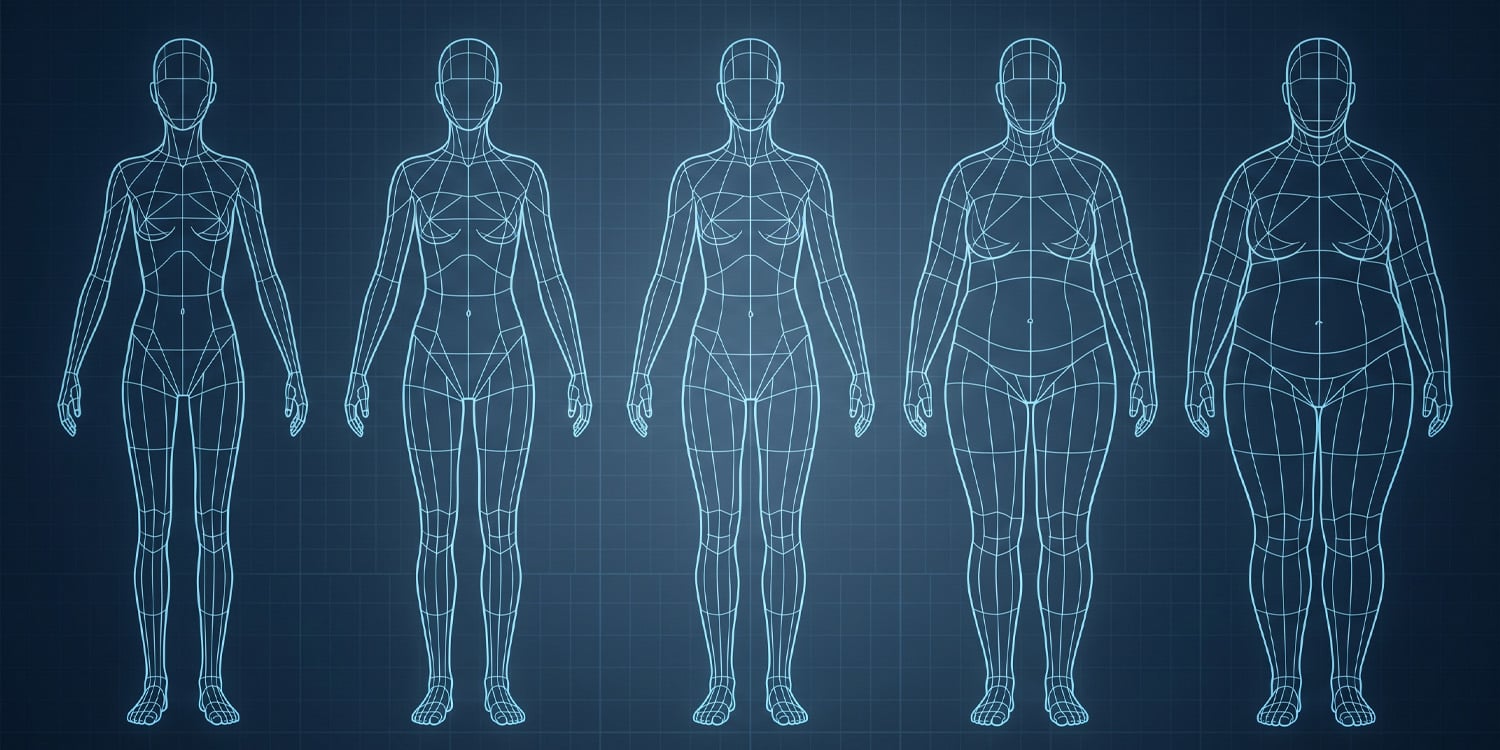
To quantify the painted figures’ body sizes, the scientists calculated body mass index, a standard measure defined as weight in kilograms divided by the square of height in metres. Since the subjects are fictional, the team used a BMI Visualizer tool to create three‑dimensional body models based on the paintings, with artificial intelligence verifying the estimates. The models were compared to brushwork to adjust variables until the digital representations matched the artworks’ proportions.
Height posed a particular challenge, as the figures’ actual statures are not known. The researchers established a fixed baseline height of 154.3 centimetres, about five feet, applying this uniformly across all 11 figures to isolate variations in body weight and derive a consistent BMI for each painting.
Following the calculations, the study found the estimated weights of the painted women ranged from 71.0 to 78.0 kilograms (roughly 156 to 172 pounds). The mean BMI across the sample stood at 31.0 kg/m2, with a low of 29.8 and a high of 32.8. By World Health Organisation categories, this would place the depicted figures in the overweight to obesity range, highlighting a stark contrast with contemporary beauty standards.
The authors caution that BMI has limitations: it compares only weight and height and does not account for muscle mass, genetic factors, or metabolic health. They note that in some medical contexts, heavier weight can be protective, and that modern health definitions may pathologise proportions once valued in art.
The study also reflects modern pressures—cited as intensified during the COVID-19 pandemic—where prolonged isolation and increased screen time amplified exposure to edited online images and a drive toward thinness. The researchers mention the illicit use of semaglutide by some individuals seeking rapid weight loss, illustrating how aesthetic aims can trump sustainable health considerations.
Ultimately, the researchers argue that while aesthetic norms evolve, art does not always mirror societal health. They emphasise that the fuller forms celebrated in 19th‑century painting were artistic fantasies set in a context of prevalent hunger, while contemporary obesities arise from a mix of environmental factors and lifestyle pressures rather than a simple reflection of beauty ideals.
The study, titled “The body mass index of females in impressionist paintings: a contrast with modern ideals,” was authored by Maria Vittoria Messina, Asia Saturnino, and Paolo Pozzilli.
