


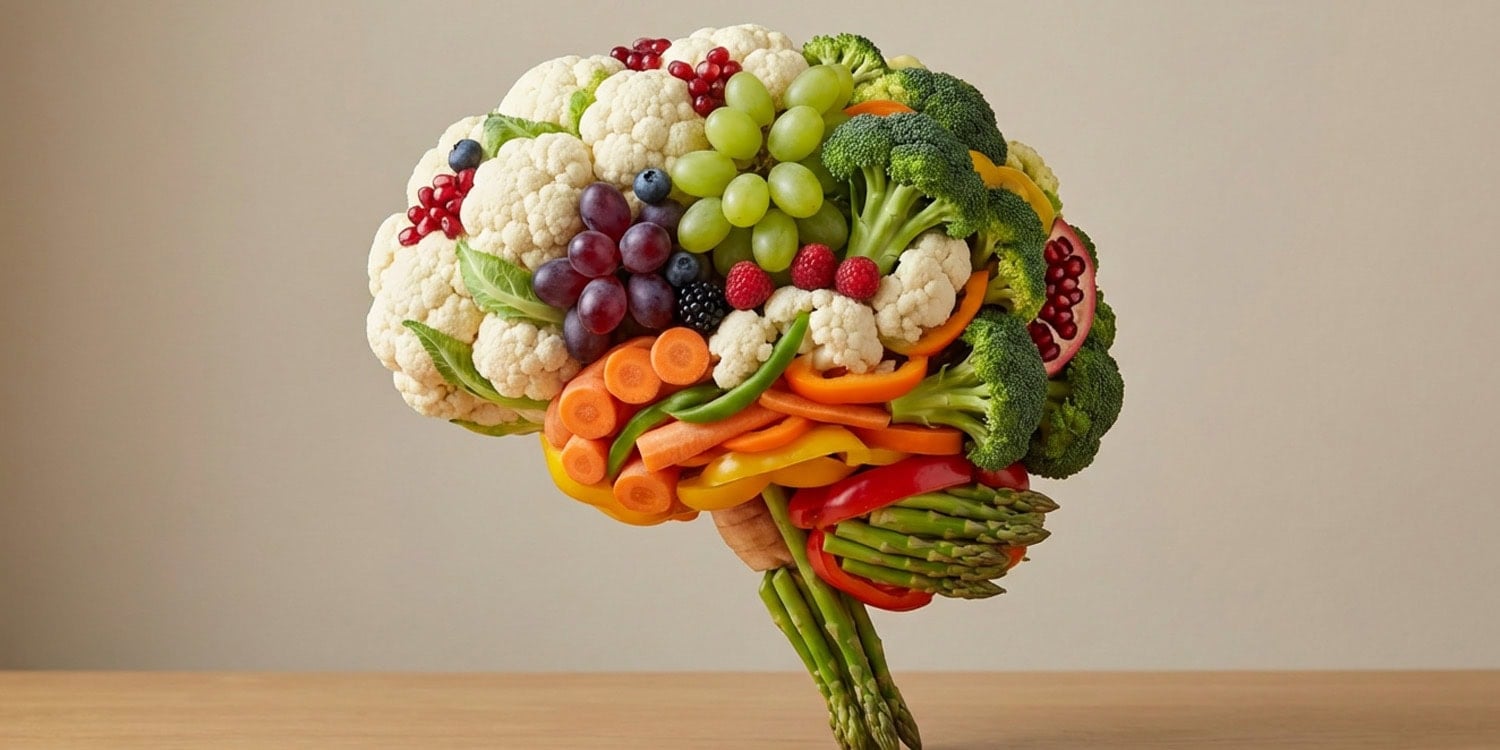
A large analysis suggests that eating more fruit and vegetables may be linked to a lower risk of developing depression over time. The systematic review and meta-analysis, led by Nazanin Zamanian and Sepide Talebi of Tehran University of Medical Sciences, pooled data from 13 prospective cohort studies involving 385,449 adults across the United States, Australia, Europe, China and Japan. Follow-up periods ranged from two years to nearly two decades.
Depression remains a global health challenge and is a leading cause of disability. The researchers note that fruits and vegetables provide vitamins, fibre and antioxidants that help shield the brain and body from cellular damage driven by oxidative stress. A healthy gut microbiome, nourished by high-fibre foods feeding beneficial bacteria, may also influence mood via the gut-brain axis.
Previous investigations into diet and depression have produced inconsistent results, with some studies focusing on younger populations or on single nutrients rather than whole foods, and many reviews mixing different study designs.
To clarify, the Tehran team conducted a systematic review and meta-analysis of prospective cohort studies. They searched multiple academic databases for long-term observational research tracking diet and depression and identified 13 cohorts spanning several countries, with follow-up durations from two years to almost two decades.
When data were pooled for studies that combined fruit and vegetable intake, four studies covering 7,995 participants showed that those in the highest intake group had a 37% lower risk of developing depression compared with the lowest. A dose–response analysis suggested that each additional 200 grams of produce consumed daily was linked to a 16% reduction in depression risk.
For fruit intake alone, eight studies involving 171,502 participants found the highest fruit consumers had a 16% lower depression risk than the lowest. The dose-response estimate equated to a 9% lower risk per 200 grams per day, with results broadly consistent across regions and follow-up lengths.
Vegetables alone were examined in 11 studies involving 192,849 participants. The highest versus lowest vegetable intake was associated with a 12% lower risk of depression, and every 200-gram daily increase in vegetable intake correlated with an 11% reduction. The association with vegetables showed a slightly non-linear pattern at very high levels of consumption.
However, the researchers cautioned that, as an observational synthesis, the findings do not prove causation. Potential residual confounding from unmeasured factors such as wealth or healthcare access could influence results. Additionally, studies used different dietary assessment tools—mostly food frequency questionnaires or 24-hour recalls—and varied in how depression was diagnosed, limiting direct comparability.
The researchers called for clinical trials to better understand whether increasing consumption of whole foods directly improves mental health outcomes. The study was led by Nazanin Zamanian, Kimia Torabinasab, Mohammadreza Moradi Baniasadi, Zeynab Kavyani, Seyede Motahare Amiri, Sara Sadeghi Majd, Arefeh Mohajerani and Sepide Talebi and published in the Journal of Affective Disorders.
