


Uber is facing a potential Australian class action over alleged sexual assault, harassment and other misconduct by drivers, after law firm Slater and Gordon began investigating whether the ride-hailing company did enough to protect female passengers.
The investigation will examine Uber’s safety systems, policies and handling of complaints involving alleged sexual misconduct by drivers. Women are being invited to register their experiences as the firm considers whether legal proceedings should be launched.
Cindy Bors, a practice group leader at Slater and Gordon, said the focus would be on Uber’s wider responsibility for passenger safety rather than claims against individual drivers.
“Women should be able to get home in an Uber safely, without being frightened or violated by the person behind the wheel, or left wondering whether anyone will listen and act,” she said.
Ms Bors said some women may not have reported incidents because they believed their experiences were not serious enough or thought doing so would make no difference.
“The harm doesn’t end when the Uber trip ends,” she said. “We want to hear from women about what happened, and how Uber responded.”
Uber has maintained that its drivers are independent contractors and that it operates a technology platform connecting drivers with passengers, rather than providing transport itself. Ms Bors said that position should not remove the company’s responsibility when it controls access to the platform.
“Ultimately, Uber control and operate a tech platform and control who has access. I don’t think it’s a shield to say that [the drivers] are independent contractors,” she said.
The proposed action follows sustained scrutiny of Uber’s handling of allegations against drivers in Australia and overseas. In the United States, more than 4,000 complainants are involved in litigation, with Uber ordered earlier this year to pay US$8.5 million in damages to one passenger.
Court documents have also revealed 400,181 allegations of sexual assault and misconduct in the US over a five-year period, compared with 12,522 allegations publicly disclosed by Uber.
Uber has developed an algorithm intended to assess risks when matching drivers and passengers, using factors including previous complaints, a driver’s safety record and the location of a pick-up. Testing found it correctly anticipated 15 per cent of assaults, but the company continued to make some pairings considered high risk, including late-night journeys from areas with bars.
Ms Bors said those reports raised questions about the responsibility of platforms that can see potential safety risks when connecting users with service providers.
Uber said it remained committed to improving safety and listening to feedback, whether or not class action proceedings went ahead.
“Safety is a core value at Uber, and we have invested billions of dollars and countless hours to protect the safety of users during trips,” a spokeswoman said. “One sexual assault is one too many, and we take every report seriously.”
The company also said laws governing the deactivation of drivers made it difficult to respond quickly to allegations and remove drivers from the platform, despite reforms introduced by the Albanese government in June. Uber is calling for further changes.
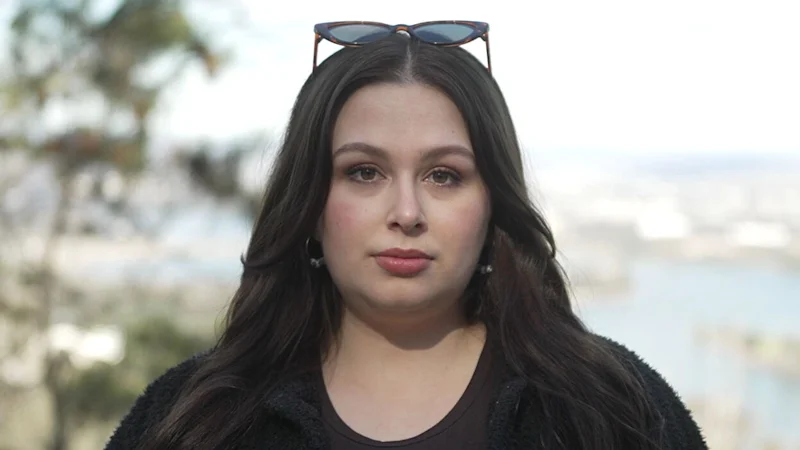
The investigation includes the case of Taylor Mostacci, from Canberra, who was 19 when she was indecently assaulted by an Uber driver while travelling to a university ball in 2021.
Her driver’s account was suspended after she complained to Uber but was later reactivated after he denied the allegation. She reported the incident to police, and the driver was convicted by an ACT court in 2025.
Ms Mostacci said the experience continued to affect her five years later. “I’ll never risk being in an Uber by myself,” she said. “Uber has a responsibility to take care of its customers, and it has a responsibility to protect us, to look after us.”
