


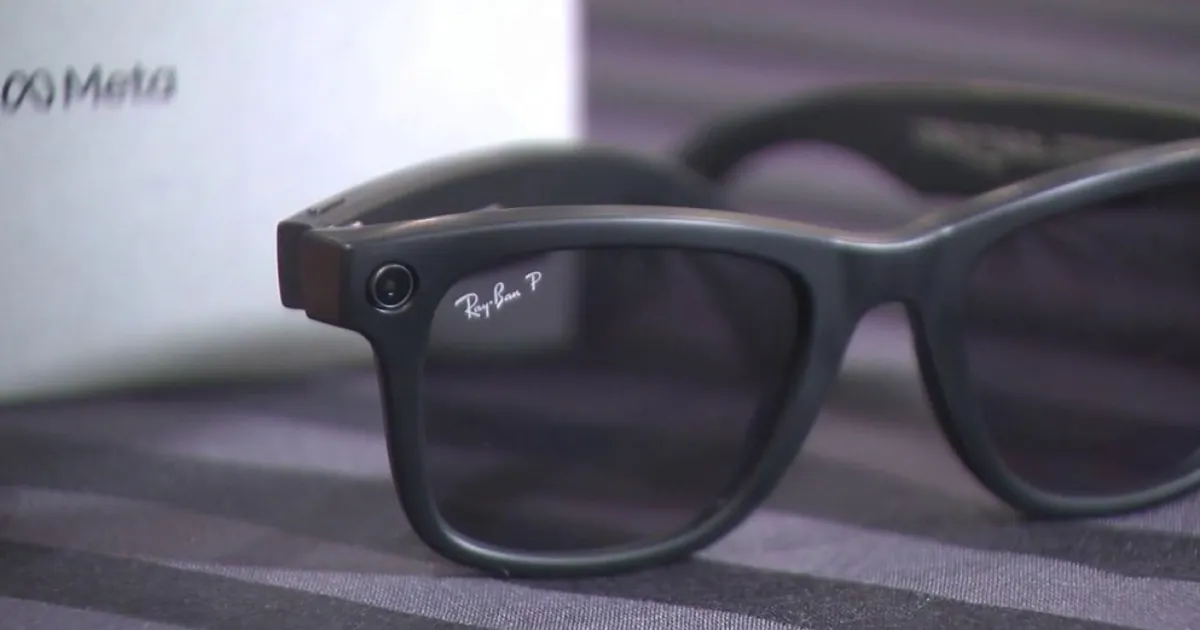
About 50 blind and visually impaired veterans received free AI-powered Ray-Ban Meta glasses at an event in Rosemont, Illinois, on Friday, with organisers saying the technology could help restore confidence and independence in everyday life.
The event, held ahead of Veterans Day, included hands-on training from Meta representatives and the Blinded Veterans Association (BVA). The glasses can assist with tasks such as reading, making calls, sending emails, listening to music and using GPS navigation.
Meta has pledged to provide the glasses to 130,000 legally blind veterans across the United States. The BVA is helping recipients learn how to use the devices, which combine cameras, voice controls and artificial intelligence to describe surroundings and read text aloud.
AI glasses offer veterans greater independence
For people with sight loss, activities such as reading a menu, locating a shop or following directions can require assistance or the use of several different devices.
Anthony Woodson, president of the BVA’s Illinois regional group, said the glasses made navigation less cumbersome by allowing users to access information without reaching for a phone.
“Before, if you’re in a situation where you’re trying to find directions to a certain place, you’d have to pull out your phone, look at your phone, and when you’re using the cane, that can become cumbersome. So now, you can do all of that hands-free,” said Woodson, a US Army veteran who uses the glasses himself.
He said the technology could encourage veterans with low vision or blindness to remain active rather than withdrawing from activities they once enjoyed. One veteran, he added, had already used the glasses to map out a golf course.
“I hope it helps make them realise that the glasses are a big asset, and the possibility is unlimited as to what they’re going to be able to do with the glasses,” Woodson said. “A lot of veterans with low vision and blindness, they kind of become reclusive. These glasses can show them that they can get out and do things they used to do.”
Mike Wooff, a US Marine Corps veteran from Iowa, said he had expected to pay for the glasses after travelling to the event for a reunion with former comrades.
“I was surprised, I thought, ‘okay, I obviously have to pay for them,’ and they said, no, it’s a gift for being a veteran,” he said.
Wooff said the gathering also offered an opportunity to reconnect with fellow Marines, describing the bond between them as “pretty close” more than 50 years after their service.
Technology brings practical help to veterans with sight loss
The glasses are designed to provide spoken assistance while leaving the wearer’s hands free. During the Rosemont training session, veterans were shown how to use them for communication, navigation and identifying or reading items in their surroundings.
The devices have also prompted wider discussion about privacy because they contain cameras. For veterans with visual impairments, however, organisers said the practical benefits could provide greater freedom in daily life.
The BVA, which was founded by veterans in 1945, is supporting the nationwide distribution programme and developing training materials to help recipients use the technology with confidence.
