


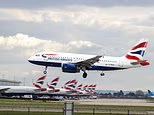
Air Passenger Duty receipts reached a record £4.6 billion in 2025/26, according to newly published HM Revenue and Customs figures, adding to the cost faced by passengers flying from UK airports.
Provisional receipts totalled £4.618 billion in the financial year to March 2026 — £493 million, or 12 per cent, more than in the previous year. The figures were released by HMRC on Friday, 28 August.
Although the duty is paid to HMRC by airlines, it is generally passed on to passengers through the price of tickets. The tax varies according to the distance flown and the class of travel.
Air Passenger Duty rises from April 2026
The record total follows increases in APD rates introduced in April 2025, which the Treasury said were intended to keep receipts broadly in line with inflation and ensure the aviation industry continued to contribute to public finances.
A further rise took effect on 1 April 2026. All rates increased by 13 per cent compared with the previous year, equivalent to an additional £1 for a domestic economy flight, £2 for a short-haul economy journey and £12 for a long-haul economy flight.
Higher charges apply to passengers travelling in premium cabins, while a separate higher rate is imposed on larger private aircraft carrying fewer than 19 passengers.
HMRC said the latest figures reflected the continued recovery in air travel after the disruption caused by the coronavirus pandemic. Receipts in every quarter of 2025/26 were higher than in the corresponding quarters of the previous three financial years.
The TaxPayers’ Alliance criticised the level of the charge, with its research director Darwin Friend saying the duty was “rising far faster than passenger numbers”.
“APD receipts have hit a record £4.6 billion, and ministers are still lining up another increase next year, making family breaks more expensive,” he said.
Mr Friend called on the Government to stop treating flights as “a cash cow” and reduce what he described as a punitive tax on holidaymakers.
