


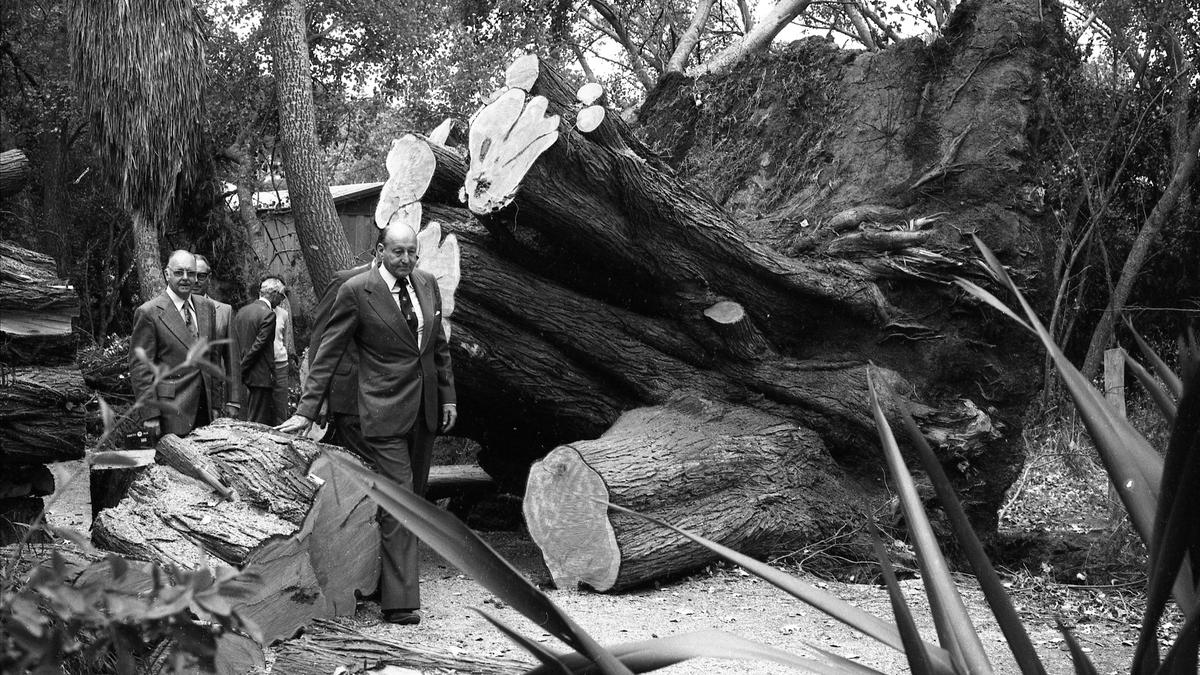
Cyclone Alby struck Albany and the wider Great Southern on April 4, 1978, leaving extensive destruction from the coastline to the bush and claiming at least one life.
Nearly five decades later, the storm remains one of the defining natural disasters in Albany’s history. Contemporary coverage described it as “the night of terror and destruction”, warning that the region would not be the same for months.
The Bureau of Meteorology had tracked Cyclone Alby as it moved south over the water, with expectations that it would weaken over cooler seas. Instead, the system accelerated towards the south-west, bringing destructive conditions across a vast area of Western Australia.
Albany recorded a wind gust of 150km/h as fierce winds and enormous swells battered the city. Homes, businesses and infrastructure were damaged, while roads and verges were left strewn with wreckage.
The conditions also created a deadly emergency in Princess Royal Harbour. Albany men John “Sharky” Edwards and Alan Higgins had gone out in a dinghy to check a boat mooring, but were reported missing at about 9pm.
The weather was too severe for a rescue boat to be launched. Mr Edwards was found dead at Quaranup the following morning, while Mr Higgins was still missing later that day.
Fires spread through the South West
The cyclone’s impact reached far beyond the coast, as powerful winds drove fires through an estimated 114,000 hectares of forest and farming land across the South West.
In Kendenup, 42-year-old Edna McLaren was fighting a fire when she was killed by a falling pine tree. Other people were injured while trying to protect their homes and property, including a man thrown from a roof as he attempted to repair a hole.
Along Albany’s coast, Middleton Beach was among the areas affected by the combination of high winds and rough seas. The historic convent was also damaged, while a telephone box was toppled and dozens of businesses suffered damage.
The cost of repairing the destruction ran into tens of millions of dollars. The scale of the recovery led to warnings that it would take at least two weeks simply to clear roads and verges of debris, with “hardly a family unaffected by the disaster”.
Almost 50 years on, Cyclone Alby remains a lasting reminder of how quickly the familiar coastline and quiet communities of Albany and the Great Southern can be altered by extreme weather.
