


A US appeals court has temporarily halted an order requiring the government to bring a Minnesota immigrant back from the Central African Republic, leaving him stranded there while officials challenge the ruling.
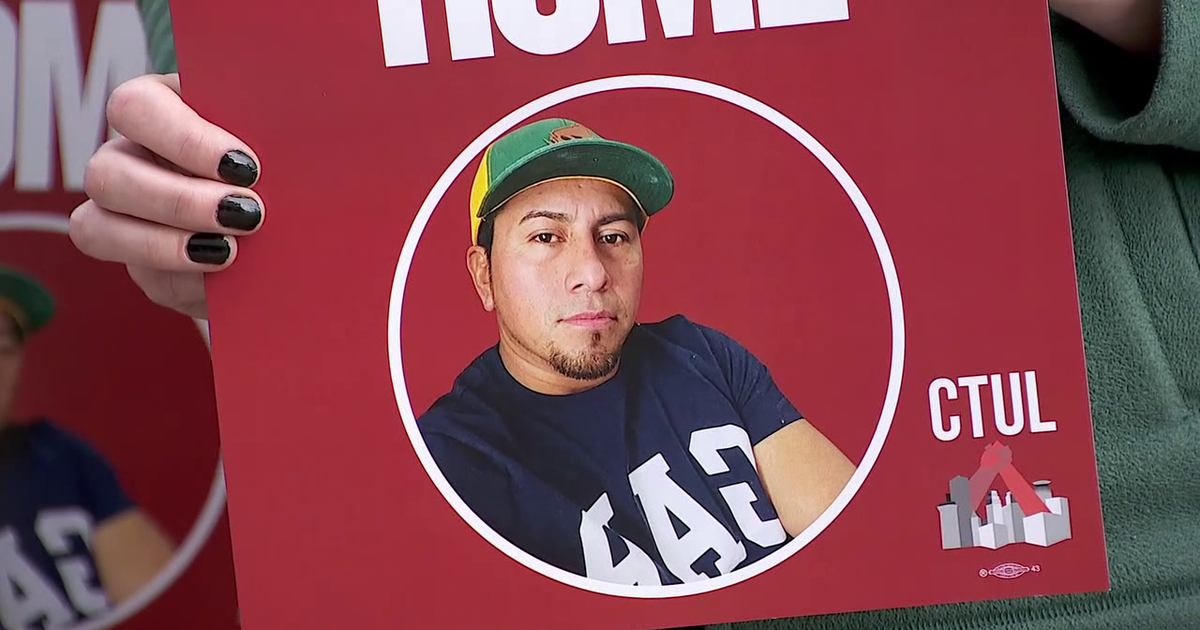
Kenis Lopez Gonzalez, a Nicaraguan national who ran a construction business in Minnesota, had been granted protection from deportation to Nicaragua because of the risk of torture. His lawyers say he was arrested by Immigration and Customs Enforcement in January and flown to the Central African Republic without a hearing.
A lower court later found that the government had likely breached his due process rights and ordered officials to arrange and pay for his immediate return to the United States.
Appeal pauses return order
The Eighth Circuit Court of Appeals has now granted the government’s request to pause that decision temporarily. The stay means Mr Lopez Gonzalez will remain in the Central African Republic while the appeal proceeds, a process lawyers say could take months.
The country is subject to a Level 4 “Do not travel” advisory from the US State Department.
Federal attorneys argued that the district judge had exceeded his authority by ordering the government to seek the return of a deported non-citizen from a foreign government.
They said the order improperly drew the court into diplomatic discussions with a sovereign state and risked harming US foreign policy. The government also argued that concerns about Mr Lopez Gonzalez’s safety had been overstated because it had received assurances from the Central African Republic that deportees would not be tortured or persecuted.
Lawyer says deported man has malaria
Simon Sandoval-Moshenberg, who represents Mr Lopez Gonzalez, said he remained confident the appeal would ultimately be won. He also said his client had been diagnosed with malaria.
“The Eighth Circuit’s order only holds things in place during the appeal, and we’re confident the law is on Mr. Lopez Gonzalez’s side,” Mr Sandoval-Moshenberg said.
“The government granted him protection from torture in Nicaragua, then ICE arrested him without telling him why, shot him with rubber bullets, and flew him to Central Africa without a hearing; a judge ordering him brought back is hardly interference.”
He added: “He has now been diagnosed with malaria, and every day this order stays in place, the government is choosing to leave a sick man in a country it warns its own citizens not to visit.”
