


A US appeals court has ruled that immigration officials must give detainees a meaningful chance to challenge deportation to countries where they have no ties, dealing a significant blow to the Trump administration’s third-country deportation policy.
The Boston-based US Court of Appeals for the First Circuit largely upheld an earlier order by district judge Brian Murphy, who found that the policy breached deportees’ due process rights.
The policy allows federal officials to remove migrants to countries other than their own, sometimes thousands of miles from their place of origin. Some people deported under the scheme have been sent from Latin America to sub-Saharan Africa.
Under rules introduced last year by the Department of Homeland Security, detainees may be sent to a third country without notice if that country has given the US State Department assurances that it will not persecute or torture them. Where such assurances have not been provided, officials are instructed to give some notice.
But the appeals court said that protections were inadequate. “An individual’s right to contest removal to a country based on a fear of persecution in that country means little if one does not receive prior notice of the intended removal destination and a meaningful opportunity to contest that destination,” the panel wrote.
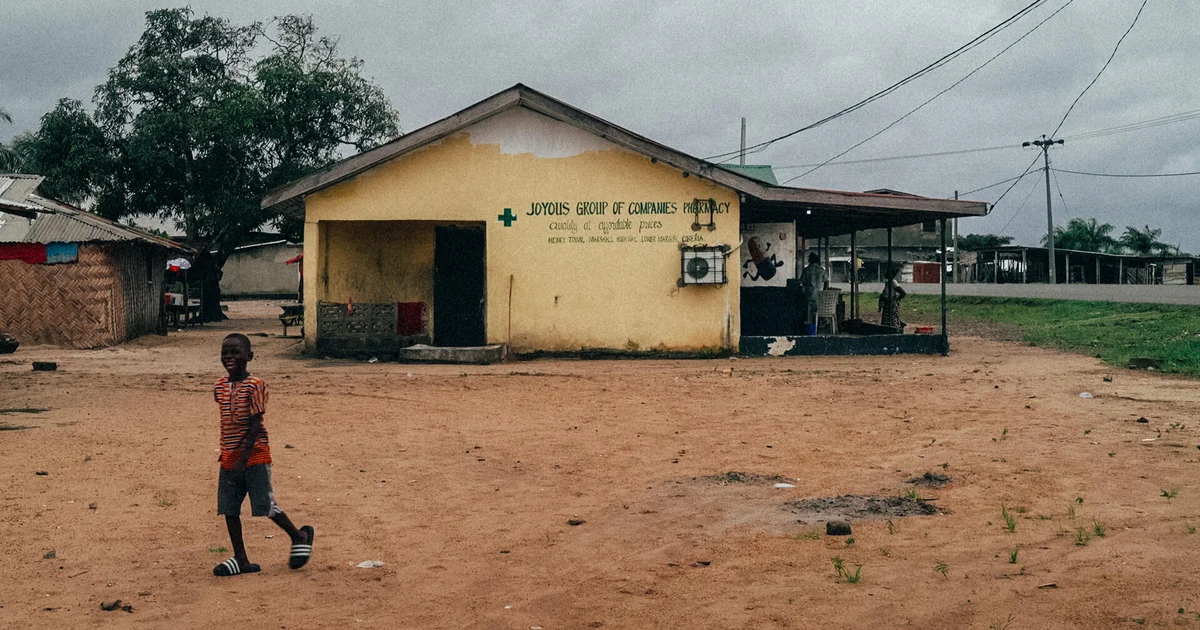
The decision is expected to be appealed to the Supreme Court. It comes as the administration expands agreements allowing deportations to more than 30 countries, including Liberia.
In some cases, migrants are sent to a third country because a court order prevents their removal to their country of origin but does not prevent the government from deporting them elsewhere.
An advocacy group estimates that more than 25,000 migrants have been deported to third countries under the DHS policy, with about 80% sent to Mexico.
A group flown to Liberia last month included nationals of Brazil, Colombia, Guatemala, Honduras and Venezuela, as well as people from other African countries. The deportees, who are staying in a hotel, said they had not been told by US Immigration and Customs Enforcement that they would be taken to Liberia and had not been given an opportunity to challenge the removal.
Elvis Rodriguez Venturas, who is from Honduras, said: “I’m concerned. I feel far away, on the other side of the world.”
DHS general counsel James Percival said the policy remained in place because the appeals court’s ruling was not currently effective. “If you claim fear in your home country, DHS has the right to send you elsewhere,” he said.
