


A landmark international study has found that subtle differences in the brain structure of people currently taking antidepressants are largely explained by the severity of their depression, rather than the medications themselves. The research, pooling data from 32 cohorts and involving almost 8,700 participants, also found age-related patterns, with younger patients showing distinct structural differences. The findings appear in Molecular Psychiatry.
Major depressive disorder remains a leading cause of disability worldwide, and antidepressants are commonly prescribed to treat it, though the precise brain mechanisms at play are not fully understood. The new analysis sought to separate the effects of illness from those of the medications.
Lead researcher Chaira Serrarens and her colleagues drew on the ENIGMA consortium’s vast dataset, building on decades of brain-imaging work. ENIGMA’s Depression Working Group has previously flagged structural brain differences in people with depression, including a smaller hippocampus, a key region for memory and emotion. The current study asked whether antidepressant use directly counteracts such changes or if observed differences simply reflect illness severity.
Lianne Schmaal, head of Mood & Anxiety Disorders Research at The University of Melbourne and chair of the ENIGMA MDD consortium, emphasised the study’s scale. “One of the strengths of this study is its scale,” she said, noting that harmonised analysis of nearly 8,700 individuals across 32 cohorts enabled detection of subtle patterns not observable in smaller studies. She added that earlier work lacked detailed data on treatment duration and drug type, making it hard to separate medication effects from the reasons antidepressants were prescribed in the first place.
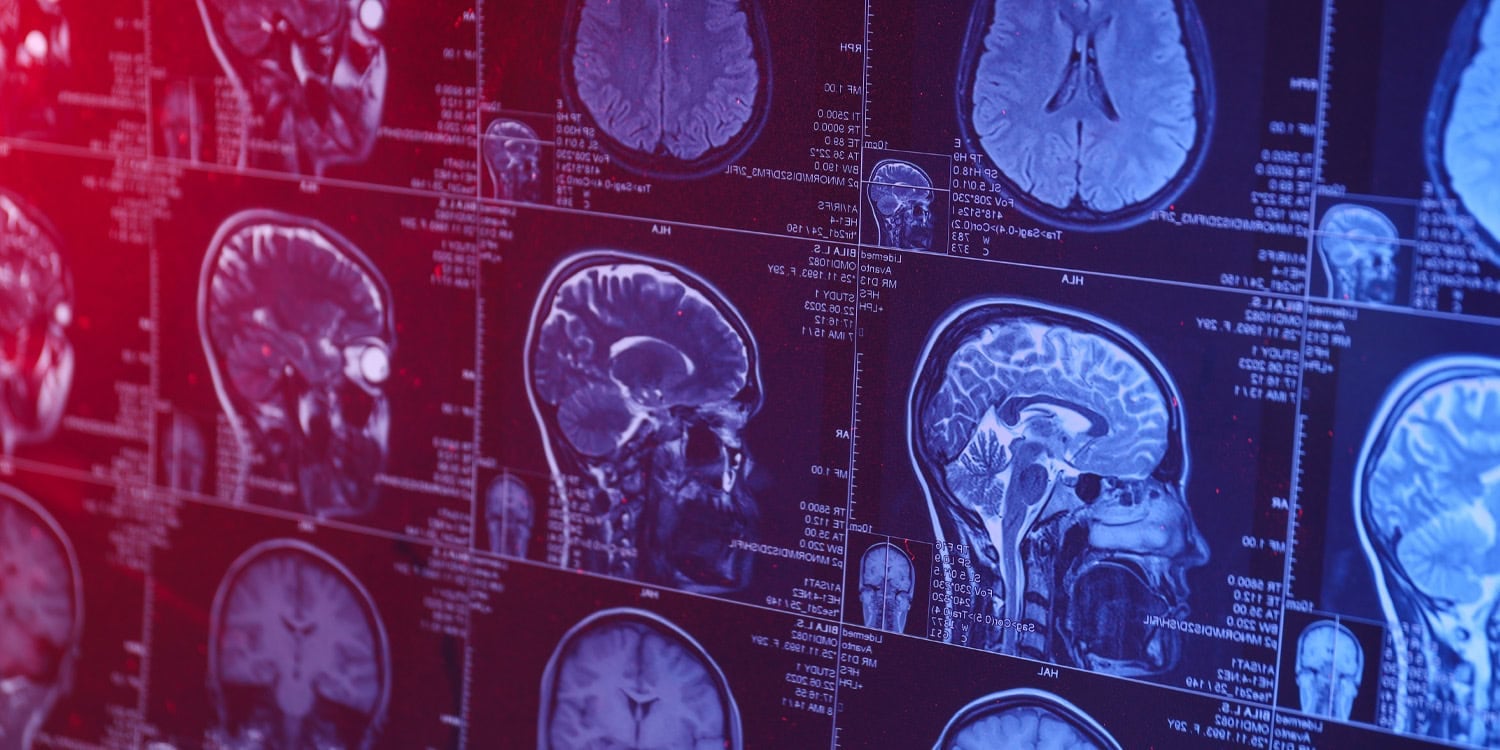
Participants underwent structural MRI to measure cortical thickness, total cortical surface area, and the volume of subcortical structures, with analyses adjusted for age, sex, and head size. The team also collected clinical data on symptom severity, past depressive episodes, and, for a subset, the specific antidepressant used.
The results revealed a nuanced relationship between age, medication status, and brain structure. Among younger participants under 50 who were medicated, the middle temporal gyrus appeared thinner than in both unmedicated patients and healthy controls. By contrast, in older participants this difference between groups disappeared, with the lines crossing around age 50.
Schmaal highlighted the age-specific pattern: “Some of the differences associated with antidepressant use were most apparent in younger people and were not seen in the same way in older adults. That suggests we should not necessarily assume that the relationship between antidepressant treatment and the brain is the same across the lifespan.”
When considering the overall effect of antidepressants, medicated patients showed a smaller hippocampus and a thinner inferior temporal gyrus compared with those not taking the drugs. Yet these differences persisted only after accounting for illness features such as the number of past depressive episodes and whether the patient was currently in remission.
Crucially, the researchers caution that these brain differences are small and not clinically actionable for individual patients. “The differences were small… they are detectable because we were able to combine data from thousands of people, but they are nowhere near large enough to look at an individual person’s brain scan and determine whether they have taken antidepressants, or to use these measures in clinical decision-making,” Schmaal said.
The analysis also showed that the observed brain differences between medicated and unmedicated groups largely vanished when current depressive symptom severity was taken into account. The medicated group tended to report worse symptoms at the time of scanning, suggesting the structural variations may be tied to illness severity rather than to the medications per se. “We tried to account for factors such as current symptoms, number of previous depressive episodes and whether someone had recurrent depression, but it is impossible to completely separate medication use from illness severity in this kind of study,” Schmaal explained.
Independent commentator Roland Zahn, a professor at King’s College London who was not involved in the research, welcomed the study’s careful interpretation. He noted that the medicated group showed higher depressive symptoms, which correlated with subtle brain differences that disappeared after adjustment. “One important difference between the groups was that people taking antidepressants had much higher levels of depressive symptoms… When accounting for this crucial difference between the groups, the subtle differences in thickness of some of the brain areas in those taking antidepressants disappeared,” he observed. He also cautioned that many factors influence why someone receives a particular antidepressant, and the study could not account for all of them due to its design.
The researchers also identified patterns more closely tied to the depression diagnosis itself than to medication. In younger patients with depression, regardless of treatment, thalamic size tended to be smaller than in healthy controls, and several cortical regions across the frontal, occipital, and parietal lobes were thinner in younger patients compared with healthy individuals — a pattern not seen in older participants.
In a smaller, exploratory analysis, the team looked at different drug classes. Among those over 40, individuals on mirtazapine had a thicker rostral anterior cingulate cortex compared with peers taking SSRIs or SNRIs, a region involved in emotional regulation. The authors caution this finding is preliminary, given the small numbers and single-time-point design, and that numerous factors influence why a particular antidepressant is chosen.
The study acknowledges several limitations. It relies on a cross-sectional design, scanning each participant only once, which prevents causal conclusions about whether antidepressants cause brain changes. Some individuals in the unmedicated group might have taken antidepressants in the past, and key lifetime data on exposure were not available for all participants. Other influences on brain structure, such as education or lifestyle, could not be fully controlled across all sites.
Looking ahead, the researchers emphasised the need for longitudinal work. Schmaal said: “The next critical step is longitudinal research. Ideally, we need to follow people from before, or very soon after, they first start an antidepressant and repeatedly assess both their mental health and their brain over several years.” Zahn agreed, urging multiple time-point analyses that incorporate more detail on comorbidities and treatment response.
Ultimately, the researchers argue that the goal is not merely to determine whether antidepressants alter the brain, but to understand how brain development and aging interact with treatment outcomes. Schmaal concluded: “We want to understand how they affect the developing and adult brain, whether those effects differ between individuals and across different ages, and whether any brain changes relate to treatment benefit, side effects or longer-term outcomes.”
