


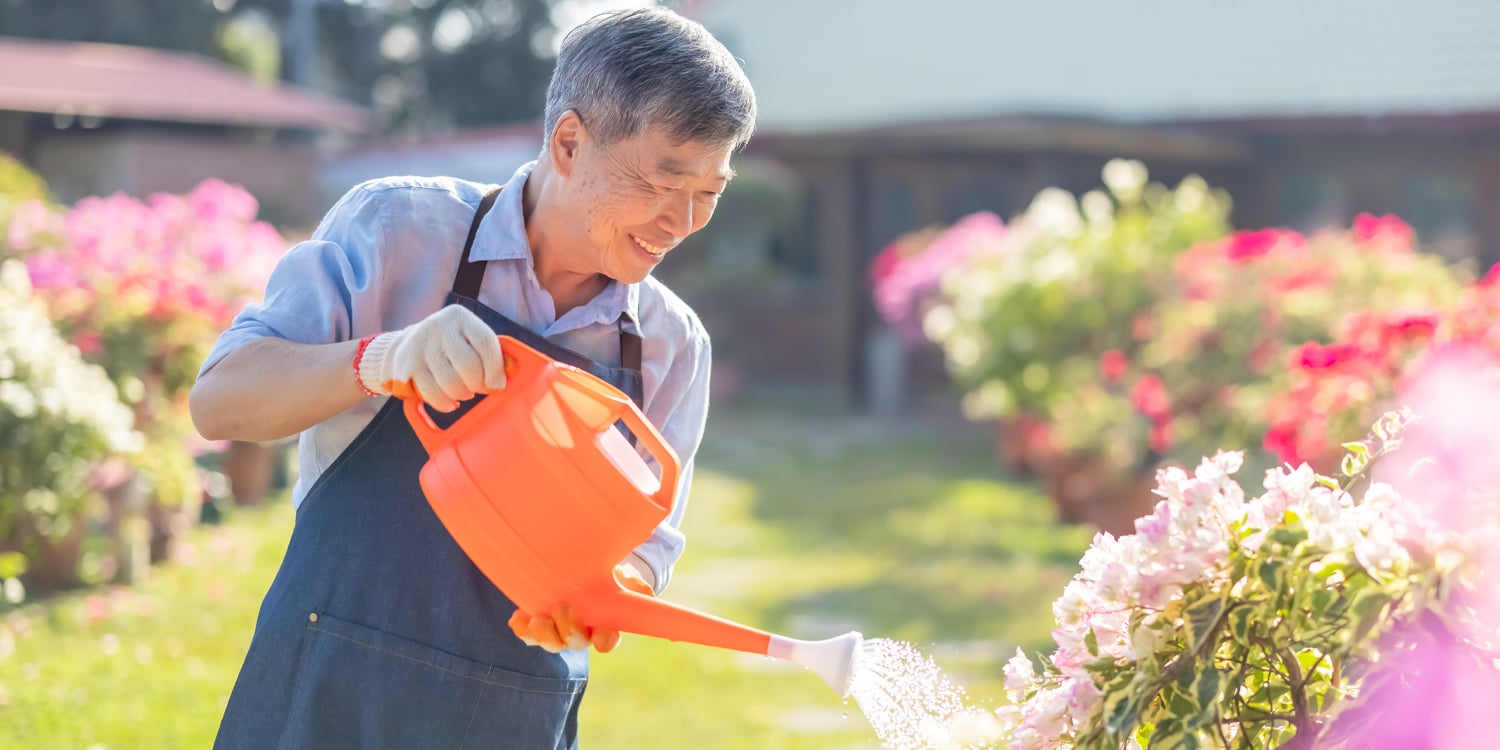
A 10-minute session of watering indoor plants produced measurable health benefits for a group of older women in Shanghai, lowering blood pressure and reducing anxiety compared with a computer-based leisure activity. The trial, conducted with 100 participants and published in the Hong Kong Journal of Occupational Therapy, compared tending plants with playing Klondike Solitaire on a computer and found distinct physiological and psychological advantages for horticultural activity.
The study took place in a nursing care facility in Shanghai, with participants averaging 68 years of age. All were in good physical health and without cognitive impairments. Researchers used a crossover design so each participant completed both activities: 10 minutes of hand-watering 15 small indoor pots on the first day, and 10 minutes of solitaire on a computer, with the groups switching tasks the following day.
Physiological and neural responses were recorded before and after each session. Blood pressure was measured with a standard cuff, while participants wore a forehead-head EEG headset to monitor brain activity, focusing on the frontal lobe and two brain-wave patterns: alpha and beta frequencies. Participants also completed two standard questionnaires to assess current anxiety and momentary feelings across contrasting states such as comfortable versus uncomfortable.
The physiological data showed participants experienced immediate drops in both systolic and diastolic blood pressure during the plant-watering task. The computer game did not elicit similar relaxing changes in blood pressure, and heart rate remained largely unchanged across both activities.
In terms of brain activity, alpha waves rose briefly at the outset during plant care, indicating early relaxation, while beta waves also surged, suggesting heightened attentiveness. The combination of increased alpha and beta activity suggested an alert but relaxed state during plant tending, in contrast with the computer game, where alpha and beta activity tended to decline, a pattern often linked with fatigue or stress.
Over the full 10-minute plant-watering period, the overall rise in alpha waves was not statistically significant, but the beta wave increase remained notable. A proprietary meditation score derived from the EEG data also rose during plant care compared with the computer game.
Subjective results mirrored the physiological and neural findings. After tending the plants, participants reported lower anxiety and described themselves as feeling more comfortable, natural, and relaxed than after playing the computer game.
The researchers acknowledged several limitations. The trial tested only a single 10-minute session with one plant type, leaving questions about longer gardening periods or different plants. The sample comprised only older women in one Chinese facility, so the findings may not generalise across other ages, genders, or cultures. Future trials with more diverse populations would help determine how broadly these benefits apply.
The study, “Psychological and physiological benefits of horticultural therapy for Chinese older adults,” was authored by Li Xiaoyi, Ahmad Hassan, Jiang Tao and Zhang Deshun.
