


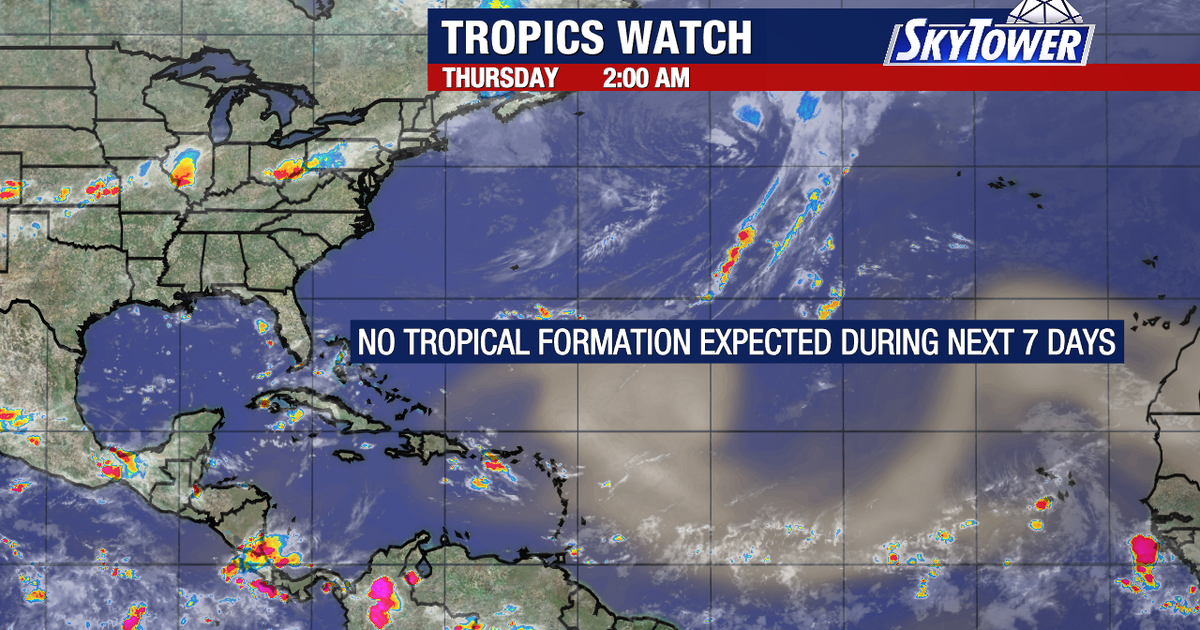
The Atlantic hurricane season is set to break the record for the latest formation of a first hurricane, with no storm expected to develop before Saturday, 12 September. Meteorologists say unusually strong El Niño conditions, powerful wind shear and Saharan dust are suppressing tropical activity across the basin.
The previous record was set on 11 September. With the National Hurricane Center reporting no Atlantic tropical cyclones on Thursday, the 2026 season is certain to pass that mark if conditions remain unchanged.
El Niño suppresses Atlantic hurricane development
Atlantic hurricane season officially runs from 1 June to 30 November, with activity normally reaching its peak between August and October. This year, however, the atmosphere has remained hostile to storm formation during the busiest part of the season.
NOAA’s Climate Prediction Center says El Niño is strengthening and has forecast a 75 per cent chance of a below-normal Atlantic season. Its outlook calls for between seven and 13 named storms, including two to six hurricanes, although the forecast does not rule out individual storms becoming dangerous.
The climate pattern is increasing vertical wind shear over the tropics, disrupting developing weather systems before they can organise. Large quantities of Saharan dust are also limiting the thunderstorms needed for tropical systems to strengthen.
Gulf of Mexico remains a potential focus
Forecasters are nevertheless monitoring the Gulf of Mexico, where sea temperatures remain exceptionally warm and wind shear is somewhat weaker than across much of the Atlantic.
Those conditions could allow a tropical storm to form closer to the US coast, even while development remains unlikely in the central Atlantic. Weather officials do not currently expect any tropical development over the coming week.
NOAA has also warned that the El Niño event could become one of the strongest recorded, with a significant chance of reaching historic levels later in 2026. The timing of the Atlantic’s first hurricane remains uncertain.
