


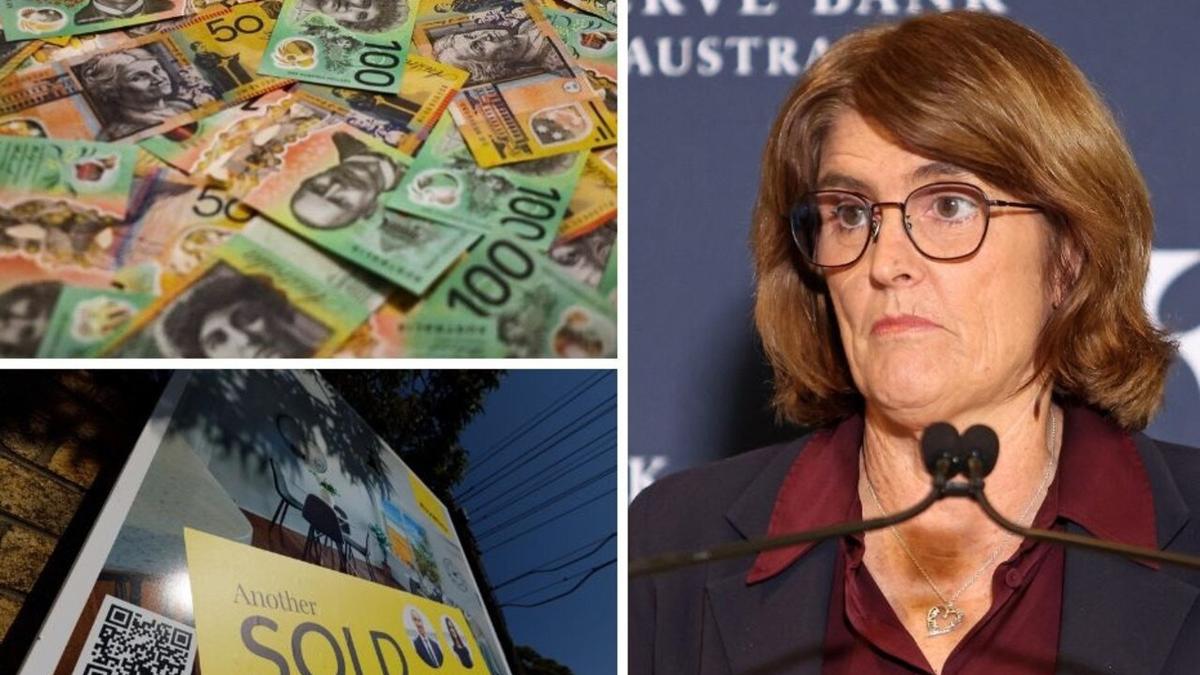
Australia’s housing market is expected to weaken further after higher interest rates, changes to property tax concessions and persistent cost-of-living pressures combined to undermine demand, economists have warned.
KPMG forecasts national house prices will fall by 1.1 per cent in 2026, with Sydney and Melbourne expected to record the sharpest declines. Unit prices are forecast to prove more resilient, rising by 2.2 per cent this year as buyers increasingly look for cheaper alternatives to detached homes.
The warning came as the housing downturn spread beyond Australia’s two largest cities. Cotality data showed national dwelling values fell by 0.7 per cent in July, the steepest monthly decline since December 2022, while prices also dropped in Brisbane and Adelaide.
Australian housing market faces further pressure
KPMG chief economist Dr Brendan Rynne said the outlook had deteriorated after three consecutive interest rate rises reduced borrowing capacity and changes to negative gearing and capital gains tax weakened investor confidence.
“The housing market is now much softer than we anticipated at the start of the year,” Dr Rynne said, also pointing to wider economic uncertainty and continued pressure on household budgets.
The Reserve Bank of Australia left its cash rate unchanged at 4.35 per cent at its August meeting, but said the increases introduced earlier in the year had not yet had their full effect. The central bank expects spending to slow and unemployment to rise gradually as higher borrowing costs work through the economy.
Former National Australia Bank chief economist Alan Oster has cautioned that prices could fall by between 10 and 15 per cent from their recent peak if the economy weakens significantly and unemployment rises towards 5 per cent.
However, Cotality research chief Gerard Burg said a prolonged downturn did not necessarily mean a severe collapse. Low unemployment, population growth and a shortage of new housing could limit forced sales and prevent prices from falling sharply, he said.
“This could be perhaps a prolonged, but not necessarily enormously deep, downturn in values across the country,” Mr Burg said.
KPMG expects the market to begin recovering in 2027, with house prices forecast to rise by 3.4 per cent. But the firm said Australia’s underlying shortage of homes, low rental vacancies and construction constraints would continue to put pressure on tenants and prospective buyers in the meantime.
