


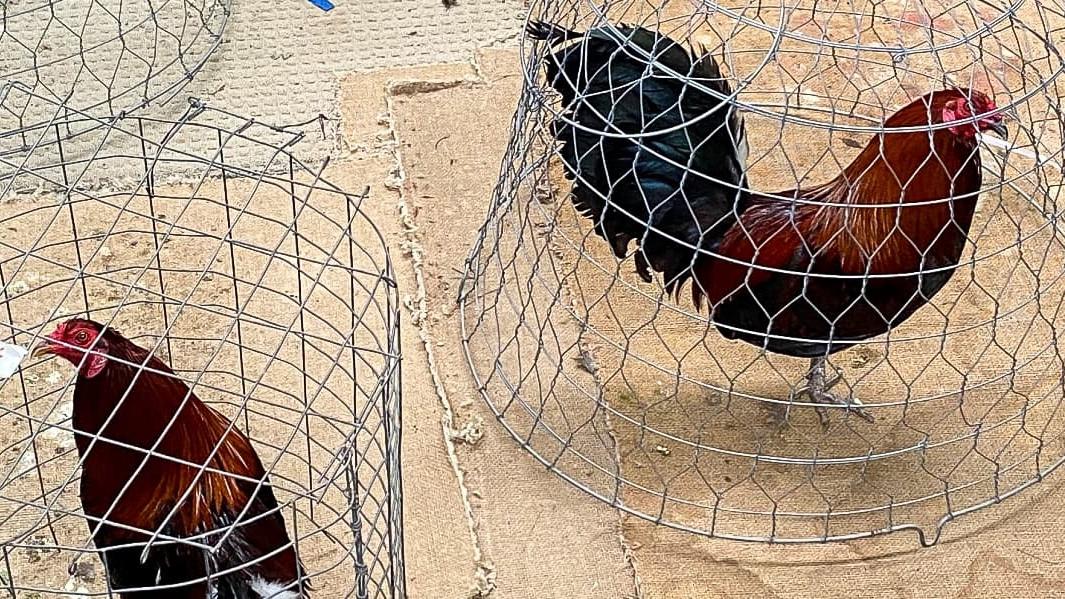
Victoria has relaxed bird flu restrictions requiring poultry flocks of more than 50 birds to be kept indoors, with forecast hot weather and animal welfare concerns taking precedence.
The temporary order had applied across the southern half of the state for 10 weeks, covering both domestic and commercial poultry. The Victorian agriculture department said it would end the requirement as hotter-than-average summer temperatures were expected.
“Forecast hotter than average summer temperatures, together with animal welfare considerations support ending the temporary requirements,” a department spokesperson said.
H5N1 bird flu has not been detected in Australian poultry or livestock, but the virus continues to be found in wild animals. Victoria has recorded 245 cases in wildlife, while the national tally stands at 712, with South Australia reporting the highest number.
Victoria was the only state to require all flocks larger than 50 birds to be housed. Officials said poultry producers should continue reviewing their biosecurity plans, watching for sick or dead birds and remaining alert to signs of disease near their properties.
Victorian chief veterinary officer Graeme Cooke said preventing poultry from coming into contact with wild birds remained the most effective way to reduce the risk of H5N1 entering a flock.
“We will continue monitoring the risk closely and retain the ability to introduce additional controls if circumstances change,” Dr Cooke said.
“We thank Victoria’s poultry owners in the affected areas for meeting the temporary housing requirement. While the requirement has ended poultry producers must maintain strong biosecurity practices as the seasonal conditions change.”
Victorian Farmers Federation president Ryan Milgate said keeping flocks confined had required a significant joint effort, but urged farmers not to become complacent.
“All farmers are strongly encouraged to check their existing biosecurity measures, update them to address current threats, and monitor their properties for any sick or deceased birds or other unusual signs of illness,” he said.
Most of Victoria’s chicken meat production is based on the outer fringes of Melbourne, while much of the remainder comes from the Geelong region, which also produces about a quarter of the state’s chicken eggs.
Temperatures across the southern half of the country are forecast to remain above long-term averages into November, with scorching summer conditions expected across Australia amid an exceptionally strong El Niño effect.
