


US historic preservation law is facing a twin challenge from proposed regulatory and congressional changes, campaigners have warned on the 60th anniversary of the National Historic Preservation Act.
The legislation, signed by President Lyndon B Johnson on 15 October 1966, established a framework for identifying and protecting historic places, from individual buildings and archaeological sites to entire districts.
At the centre of the dispute is Section 106, which requires federal agencies to consult states, tribes and other interested parties before projects that could damage historic resources are allowed to proceed.
Preservation groups say a federal council dominated by President Donald Trump’s appointees has voted to weaken the rules, while a bipartisan Senate permitting bill could narrow the review process further in the name of speeding up infrastructure and energy developments.
Brent Leggs, president and chief executive of the National Trust for Historic Preservation, said the federal government had “divested that responsibility” over the past 18 months.
The 1966 law helped create the National Register of Historic Places, which now contains more than 100,000 properties. Section 106 does not automatically block projects, but requires potential damage to be assessed and efforts made to mitigate it.
Elihu Rubin, a professor at Yale’s School of Architecture, described Section 106 as “the teeth behind the National Historic Preservation Act”. He said the process could produce surveys and records of places that might otherwise be lost, even when developments eventually went ahead.
Proposed changes to Section 106 review
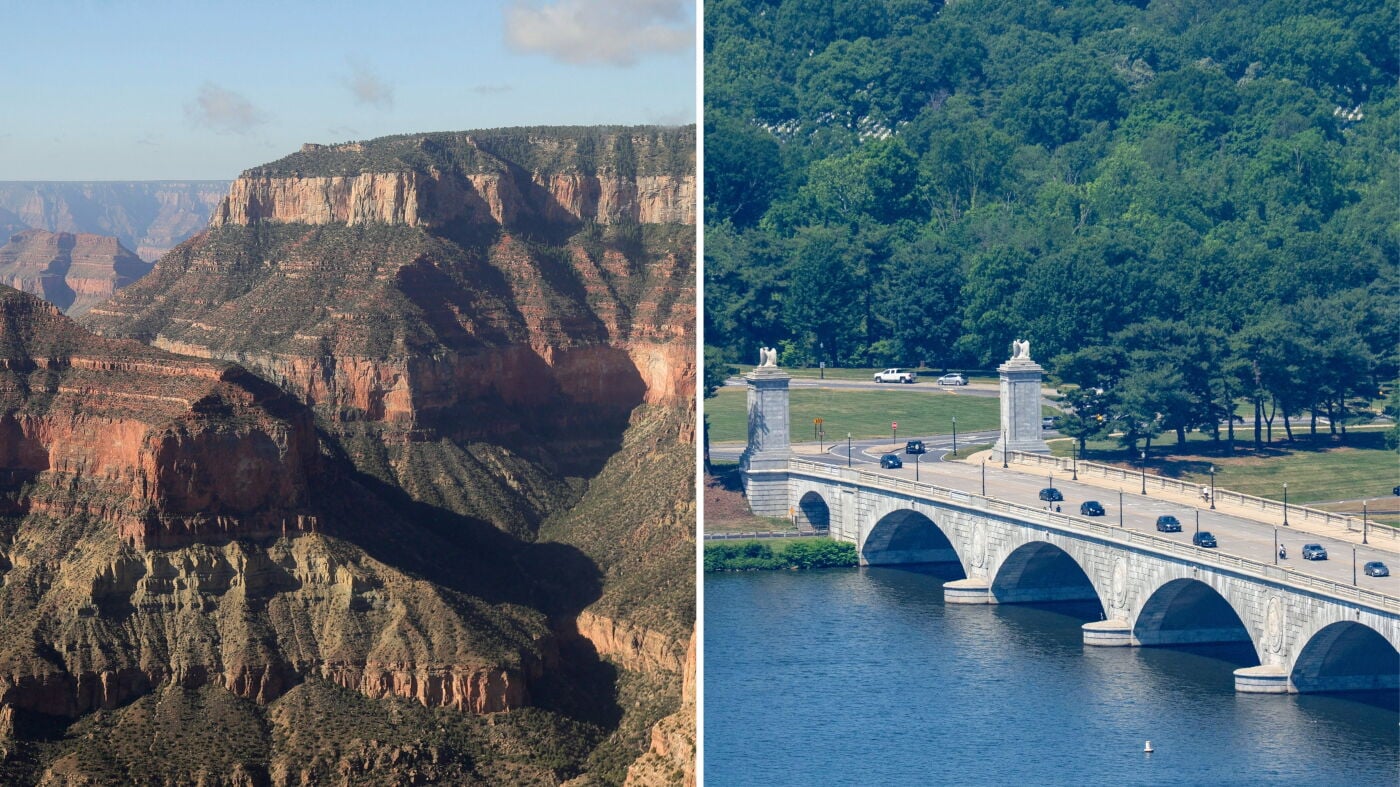
The Advisory Council on Historic Preservation voted in July to propose changes including limiting which properties could qualify as historic. The proposed rules would exclude some “significant landscape features”, such as the Grand Canyon, from consideration.
They would also make public comment optional and remove the requirement to consult Native American tribes. The changes remain subject to the federal rulemaking process, with a 30-day public consultation period yet to open. The council is due to meet again on 10 November.
Twenty of the council’s 24 current members were appointed by Mr Trump, according to preservation advocates.
A separate threat has emerged in the Senate. A bipartisan bill introduced in late September aims to reform federal environmental review and permitting, with its sponsors saying it would deliver cheaper energy, more jobs and responsible growth.
Campaigners say provisions in the bill would restrict public and tribal involvement in Section 106 reviews, narrow the scope of analysis and limit legal remedies when the rules were breached. The Senate plans to consider the legislation when it returns from recess on 9 November.
Greg Werkheiser, whose law firm is leading a coalition called Section 106 Strong, said the bill would “gut” the meaning and protections of the 1966 law. The coalition says it includes 1,000 organisations, among them religious, environmental and civil rights groups, as well as Tribal Nations representing more than nine million Americans.
Valerie Grussing, of the Tribal Historic Preservation Officers organisation, said the proposed regulatory and statutory changes would be a setback to tribal participation in preservation decisions.
Tribal representatives were not given formal responsibilities under the law until 1992. Ira Matt, the organisation’s executive director and a citizen of the Salish Tribe, said the Senate proposal could leave future generations with changes developed without adequate consultation.
Preservation experts dispute claims that Section 106 causes significant delays. The National Trust says the average review takes 16 days and that 98 per cent conclude a project will have no adverse effect on nearby historic resources.
Critics of the Senate bill also say it leaves important terms undefined, including what would constitute a “minor” restoration or the “required metrics” for state and tribal officials. They warn that disagreements could ultimately be decided in court rather than resolved through consultation at the start of a project.
The debate comes as the Trump administration pursues a series of controversial developments in Washington, including a proposed 250ft triumphal arch near Arlington Memorial Bridge and the redevelopment of a municipal golf course. Critics say the projects are testing historic preservation laws and established norms.
The National Trust has sued the administration over construction of a ballroom at the White House, but the Supreme Court ruled that the organisation lacked legal standing. The trust has since launched a defence fund, seeking an initial 10 million dollars to protect threatened sites and preservation laws.
Chris Cody, the trust’s associate general counsel, said the organisation was receiving about 70 hours a week of calls from local authorities seeking help while also handling federal cases.
Mr Leggs said the issue extended beyond famous landmarks, warning that churches, cemeteries and other places valued by local communities could also be affected.
Mr Werkheiser said: “You can disagree about politics. You can disagree about the future. But you shouldn’t have to fight your own government for the right to remember your past.”
