


Beauty, health and wellness spending is increasingly being treated by consumers as a single budget, driving retailers and brands to rethink how products are developed, marketed and sold.
Nearly all consumers surveyed for a study by AlixPartners and CEW said they now viewed the three areas as one category rather than separate areas of spending. The research questioned 1,000 people aged 18 and over, alongside 127 executives from the beauty, health and wellness industries.
Lindy Firstenberg, co-lead of AlixPartners’ beauty, health and wellness practice, said consumers were weighing purchases across the entire category.
“What we found in the data is a consumer is just as likely to trade off a night cream for another night cream as a night cream for a personal trainer,” she said. “Anything in beauty, health and wellness is within the consideration set.”
The survey, conducted in May and June, found that 40% of consumers wanted traditional beauty companies to broaden the products they offer. But 42% of executives said their companies should remain focused on their existing areas.
Firstenberg described the difference as a fundamental disconnect, with consumers seeking new products and approaches while businesses remain wary of expanding beyond their established sectors.
She said companies could be reluctant to make investments that might not produce immediate quarterly returns, particularly where research, development and consumer profiling are required.
Consumers are also becoming more informed about the products they buy and increasingly interested in science-backed claims. AlixPartners has called this trend the “consumer PhD”, with people turning to other consumers, particularly on social media, for guidance on products and results.
Retailers respond to changing beauty, health and wellness spending
Some businesses are responding through partnerships. Gucci teamed up with wearable fitness tracker maker Oura in 2022 to create a specially designed ring, while Procter & Gamble agreed last month to acquire supplements company Thorne for $3.8 billion as it expands its health business.
Retailers are also bringing products together in shops and online. Ulta Beauty has introduced in-store wellness boutiques featuring supplements as well as skin and hair serums, while Sephora has created a dedicated wellness and skincare section on its website.
Target launched its Target Beauty Studio on 10 September after phasing out its shop-in-shop partnership with Ulta in August.
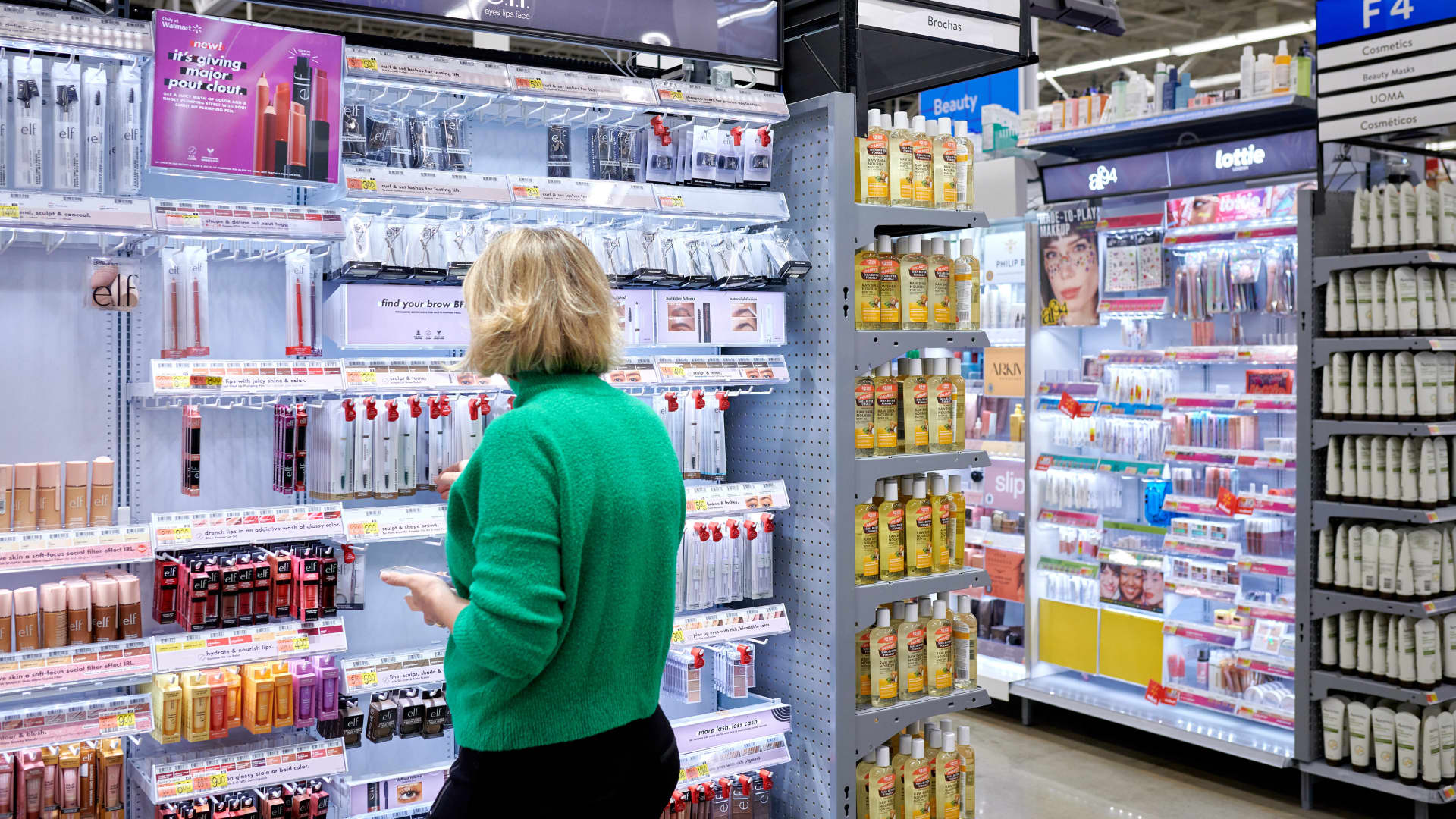
Walmart has been widening its product ranges, combining entry-level prices with premium brands, according to Silvia Kawas, who leads the company’s US consumables business.
“Our customers today are actually thinking about solving problems across their health and wellness and beauty journeys more holistically than ever, and so you’ll see a lot of blurring of the lines,” Kawas said.
As it remodels stores, Walmart is placing beauty products in high-traffic areas and making staff with expertise in beauty and wellness available to customers, alongside pharmacists. The retailer is also using mini and single-serve products to support shoppers as they experiment with different options.
Kawas said Walmart was seeking to make it easier for customers to discover and assess products both in stores and online, while relying on its reputation for low prices and consistency.
Science-led brands gain ground
Pierre Dupreelle, global leader for beauty at Boston Consulting Group, said the changing relationship between health and beauty was reshaping the industry, particularly as consumers focused on the impact of GLP-1 drugs.
He said consumers were favouring products viewed as effective and supported by scientific, dermatological or medical expertise, while more traditional skincare brands were struggling, including at the highest price points.
Despite pressure from high petrol prices, inflation and uncertainty in global politics, Dupreelle said consumers were more likely to reduce spending in other areas before cutting their beauty, health and wellness budget.
Data from market research firm Circana found that beauty unit demand remained positive in the first half of 2026, even as shoppers became more selective. Skincare revenue rose 8% during the period, helped by interest in whole-body wellness.
For retailers, the shift is creating a race to offer the right mix of products and prices. Walmart said it was already seeing customers put more items in their baskets, as businesses compete to turn broader health and beauty needs into repeat visits and loyalty.
