


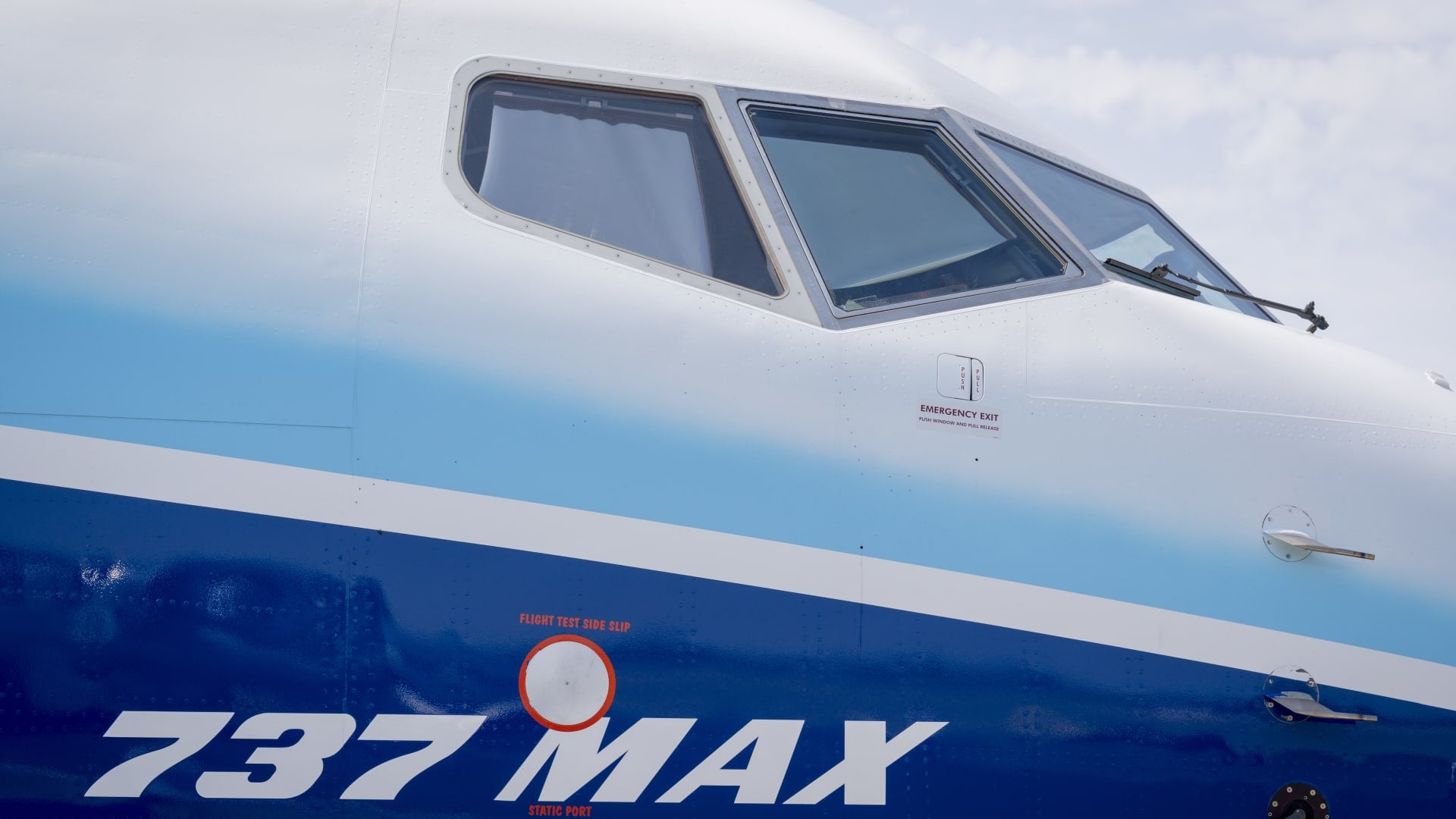
The US Federal Aviation Administration has ruled that a software glitch affecting some Boeing 737 Max aircraft does not pose a flight-safety risk, clearing a potential obstacle to certification of the 737 Max 10.
The decision comes as Boeing seeks to increase aircraft sales and deliveries following years of safety and manufacturing crises. The Max 10 is the largest version of the aircraft family and the final model still awaiting government certification.
Boeing reported the problem last month after identifying circumstances in which it could affect certain landing procedures. The issue may arise after a missed approach, when pilots alter a pre-programmed flight path and then need to take additional steps to use automated tools on a subsequent approach.
An FAA review board assessed the matter on Friday, with experts in airframes, flight controls, propulsion and flight testing among those taking part.
“Following a thorough review, a panel of FAA safety experts on Friday determined a software issue in certain Boeing 737 MAX flight computers is not a safety concern,” the agency said.
It said the decision was based on pilots retaining full control of the aircraft and flight-crew indications being “clear and unambiguous”. The FAA will issue a special bulletin to airlines explaining how to identify and respond to the problem if it occurs.
US airlines said they were not affected because they could revert to earlier versions of the software. The FAA added that it would consider appropriate action if it received new information about the issue.
The development removes a concern that had raised questions about the certification timetable for the Boeing 737 Max 10, which Boeing and airlines had expected to receive in early autumn. The FAA approved the smallest model in the family, the Max 7, in August.
Executives at Alaska Airlines and Ryanair, both customers for the Max 10, dismissed concerns about delays to the aircraft’s certification earlier this week.
