


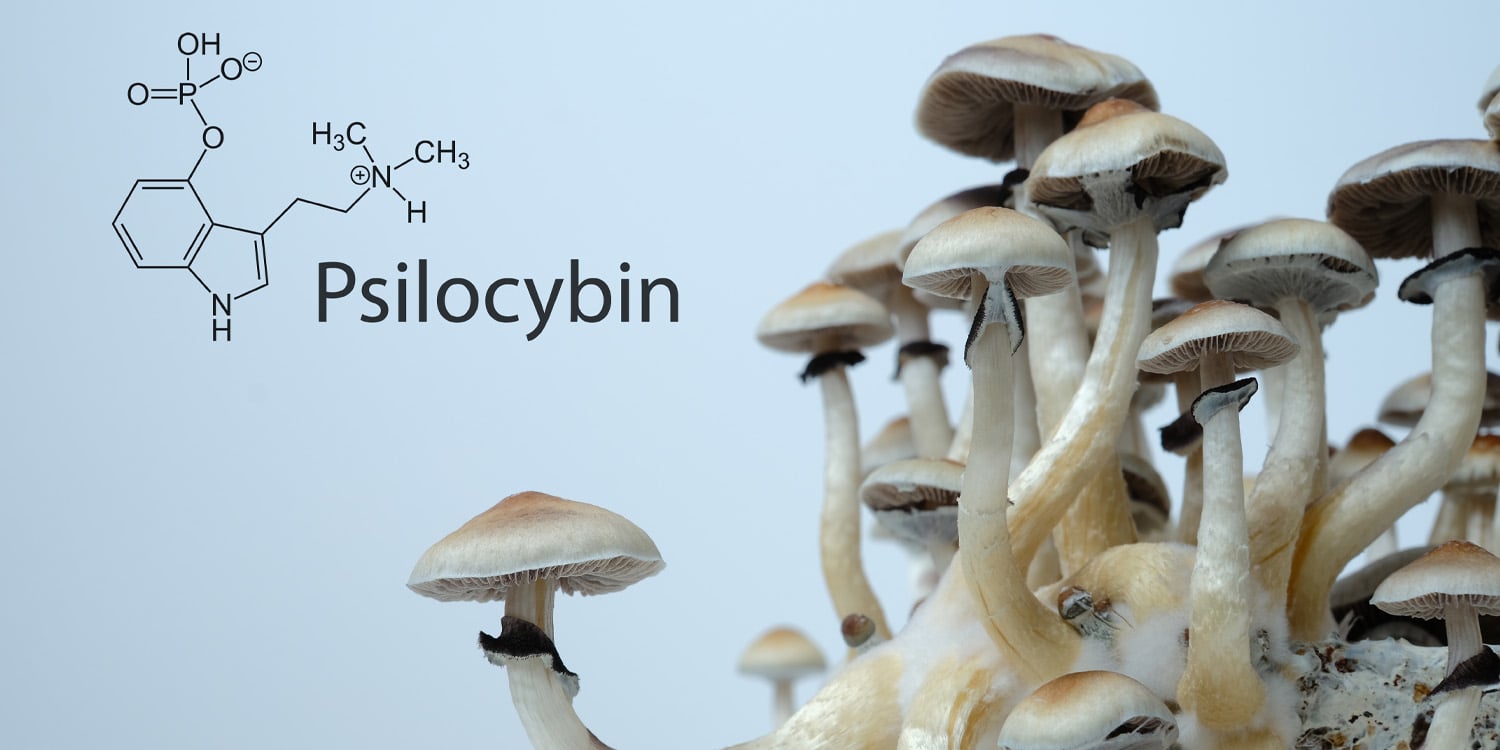
A small pilot study conducted at Johns Hopkins University examined the effects of psilocybin, delivered with psychological support, in 20 patients with post-treatment Lyme disease. Six months after two psilocybin sessions, participants reported a 40% reduction in overall symptom burden compared with the start of the study, and their health-related quality of life improved. The researchers emphasised that the trial had no control group.
Lyme disease is caused by Borrelia bacteria and is transmitted via infected ticks. It can affect the skin, joints, nervous system and heart, with early signs typically including fever, fatigue, headache and a distinctive expanding rash. When treated promptly with antibiotics, most people recover well, but an estimated 10% to 20% go on to experience lingering symptoms after standard treatment, a condition known as post-treatment Lyme disease (PTLD).
PTLD can involve persistent fatigue, pain, sleep problems and cognitive difficulties, and many patients also battle depression and anxiety. There are currently no established treatments for the condition, and the reasons for its persistence are not fully understood. Proposed explanations include lingering immune changes, tissue damage from the initial infection, and other biological or psychological factors.
The Johns Hopkins team, led by Albert Garcia-Romeu, reasoned that classic psychedelics might ease symptoms and improve quality of life in chronic illnesses that have not responded to other treatments, such as PTLD. In broader clinical trials, psilocybin has shown antidepressant and anti-anxiety effects, and there is preliminary animal evidence that psychedelics may reduce inflammation. Classic psychedelics—psilocybin, LSD, DMT and mescaline—alter perception, mood and cognition primarily via serotonin receptors.
Researchers noted that, although these substances are illegal or tightly controlled in many jurisdictions, work is advancing to explore their therapeutic potential for mental health conditions. In this study, psilocybin was administered alongside psychological support to examine potential changes in PTLD symptoms.
The study enrolled 20 patients with PTLD. Most participants were recruited from Johns Hopkins Lyme Disease Research Center studies that had agreed to be contacted about future research; additional participants were recruited online and through word of mouth. Eligibility required a documented Lyme disease diagnosis and a standard course of antibiotics, followed by persistent symptoms. Of 486 people pre-screened, 20 enrolled and received the treatment.
Participants averaged 44 years in age; 11 were women and 90% were white. The median duration of illness was 5.7 years. At screening, five participants met criteria for major depression and five for ADHD, with three remaining on antidepressants during the trial.
During the 8-week intervention, participants received two psilocybin sessions. A 15 mg dose was administered in week 4; in week 6, 18 participants received a higher 25 mg dose, while two remained on 15 mg after strong reactions to the first session.
Before dosing, participants attended three weekly preparatory meetings offering psychoeducation about psilocybin’s effects and a life review of illness trajectory and symptom burden. These sessions also helped participants set treatment goals. After each psilocybin session, an integration meeting was held within three days, and weekly facilitator meetings continued through week 8 to discuss session contents and overall progress.
Follow-up assessments occurred approximately 2 weeks, 1 month, 3 months and 6 months after the second dose. Most visits were conducted via video calls, with the dosing sessions, the week 8 visit and the 6-month follow-up taking place in person at the Johns Hopkins Bayview Campus. Assessments covered PTLD symptoms (General Symptom Questionnaire-30), health-related quality of life (Short-Form Health Survey), depressive symptoms, sleep quality, fatigue severity and pain severity.
Results indicated improvements across PTLD symptoms and other outcomes after treatment, with the benefits largely maintained at the 6-month follow-up. The primary endpoint was 1 month after the second dose, at which point the overall symptom burden was 42% lower than baseline (52% lower at 2 weeks). Six months after the second dose, the symptom burden remained 40% lower. Mental and physical quality of life rose by about 13% at 6 months.
Mood, fatigue, sleep quality and pain also improved. Across follow-ups, depressive symptoms were roughly 50% to 60% lower than baseline, sleep problems 40% to 50% lower, fatigue 25% to 30% lower, and overall pain 40% to 50% lower.
No serious adverse events related to psilocybin occurred, and all participants completed both dosing sessions. The most common side effects were temporary increases in blood pressure (reported by 90%), headache (65%), rapid heart rate (35%), pain (20%) and fatigue (15%). The researchers noted the blood pressure and heart rate increases were modest and resolved on their own, with over-the-counter pain relief sufficient for management.
Two serious adverse events occurred during the study period but were judged unrelated to psilocybin: one participant developed passive suicidal thoughts about seven weeks after their last psilocybin session, after starting a new antidepressant, with symptoms resolving within four days of stopping that medication; another participant was diagnosed with rectal cancer at the six-month follow-up.
“Preliminary findings support that psilocybin-assisted treatment was feasible and well-tolerated among the sample. Clinical outcomes indicated potentially long-lasting benefits of psilocybin-assisted treatment, warranting further investigation for PTLD,” the study authors concluded.
Despite the encouraging results, the researchers cautioned that the study lacked a control group, and participants knew they were receiving psilocybin, which could have influenced outcomes. They stressed that it remains unclear whether observed improvements stemmed from the drug, the psychological support, spontaneous changes in PTLD, or a combination of factors.
Other limitations noted include the small, predominantly white, highly educated sample, with several participants also having depression or ADHD or taking psychiatric medications. The researchers did not measure memory or concentration, a cognitive domain often affected in PTLD. They argued that the findings justify conducting randomized controlled trials to clarify psilocybin’s role in PTLD management.
The paper, “Pilot study of psilocybin in patients with post-treatment lyme disease,” was authored by Albert Garcia-Romeu, Gideon P. Naudé, Alison W. Rebman, Sara So, Abigail Yaffe, Ian Geithner, Erica A. Kozero, Ting Yang, Mark J. Soloski, and John N. Aucott.
