


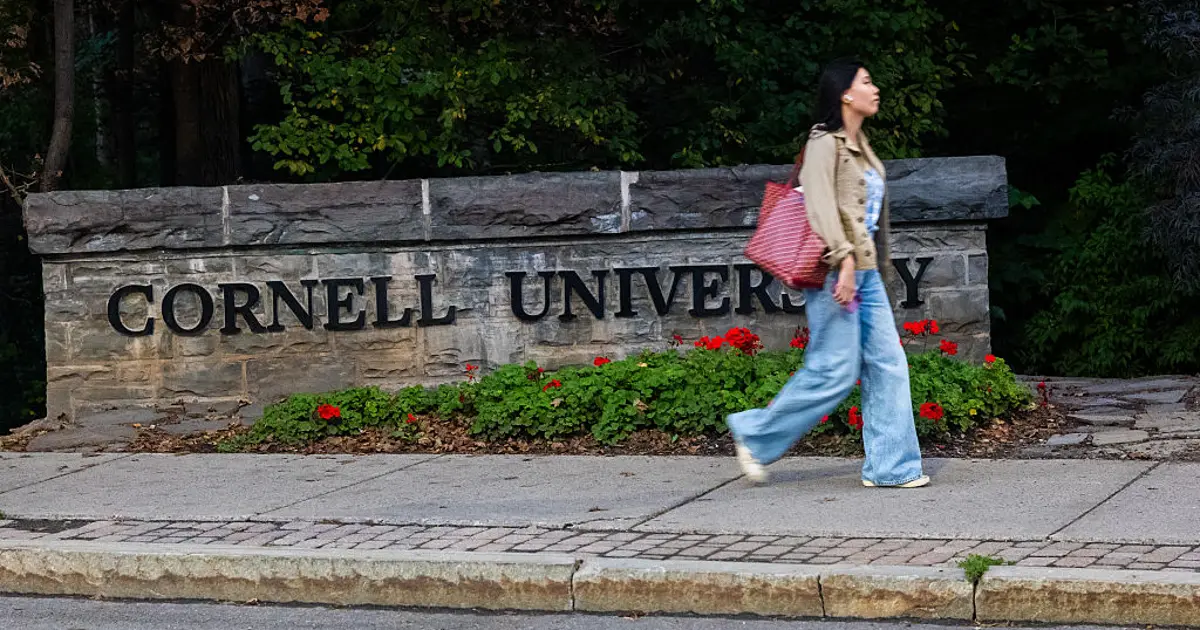
New York lawmakers are renewing calls to close a legal loophole on voluntary intoxication after a former Cornell University student alleged she was sexually assaulted by seven men at a fraternity house in Ithaca.
The case has been reopened by the Tompkins County district attorney, who says evidence will be presented to a grand jury. It has also prompted Governor Kathy Hochul to call for an independent investigation into Cornell’s handling of the allegations.
New York’s voluntary intoxication law under scrutiny
Under New York law, prosecutors face particular difficulties when an alleged victim voluntarily consumes alcohol or drugs before becoming too impaired to consent. The law more clearly recognises incapacity where a person has been rendered helpless or mentally incapacitated by substances administered without their knowledge or consent.
Critics say the distinction can prevent cases from progressing even where a person is so intoxicated that they cannot understand or communicate a decision about sexual activity.
The Cornell allegations centre on an incident said to have taken place at the Chi Phi fraternity house in October 2024. The former student, identified in court documents as Jane Doe, alleges she was pressured into taking ketamine, smoking cannabis and drinking alcohol before being assaulted.
Her civil lawsuit, filed on 16 September, names Cornell, the fraternity, seven fraternity members and other parties. It alleges she became incapable of consenting while several men sexually assaulted her.
Tompkins County District Attorney Matthew Van Houten initially decided not to bring criminal charges. He said the decision was based heavily on a sworn statement the woman gave to Cornell police, which he said did not allege that she had been drugged against her will, was unconscious or had been physically forced into sex.
Mr Van Houten’s office has since reopened the investigation following the lawsuit and public criticism. He has said the case will be considered by a grand jury after further review of the evidence.
The district attorney’s office did not speak directly to the woman during the original investigation, according to the Associated Press. Mr Van Houten has defended the decision, saying police had obtained a detailed statement which, in his view, provided sufficient information for prosecutors to assess the case under existing law.
The reopening has intensified debate over whether New York’s legislation places too much emphasis on how an individual became intoxicated, rather than on whether they were capable of giving meaningful consent.
Assemblyman Jeffrey Dinowitz and state Senator Nathalia Fernandez are backing proposals that would prevent a defendant from relying on a complainant’s intoxication as a defence where the person was too impaired to appraise or control their conduct or clearly communicate a lack of consent.
The proposed changes would allow prosecutors to focus on the alleged victim’s condition and whether the accused reasonably should have known that the person was incapacitated, regardless of whether the alcohol or drugs were consumed voluntarily.
Mr Dinowitz, who has supported similar legislation since 2019, said the Cornell case represented the type of situation the proposed reforms were intended to address. The lawmakers were due to hold a public rally in the Bronx to build support for the measure.
New York is among 19 US states where sexual assault laws restrict the circumstances in which voluntary intoxication can establish mental incapacity. Several states, including Minnesota, Michigan and Texas, have moved to broaden their laws in recent years.
Governor calls for independent Cornell investigation
Ms Hochul has backed the decision to reopen the criminal investigation but said separate questions remained about Cornell’s reporting systems, response to allegations and efforts to prevent sexual violence.
She has called for an outside law firm to examine the university’s handling of the case, describing the allegations as “nothing short of horrifying” and saying no student should be left unsure whether the institutions meant to protect them would listen and act.
New York’s attorney general is also reviewing Cornell’s handling of the allegations, although the office has not disclosed the scope or timetable of its examination.
Cornell has said it supports the reopening of the criminal investigation. The university says it conducted its own disciplinary inquiry, during which a panel of trained faculty and staff heard evidence over several days and gave those involved the opportunity to testify and present evidence.
The university has also said that students were expelled or suspended following the internal process and that the Chi Phi chapter was closed in 2024 and remains barred from campus. It has declined to provide individual details, citing student privacy rules.
Cornell formed a task force on campus sexual assault in 2025, and says several of its recommendations have been implemented while others remain under development.
No criminal charges have been brought against any of the seven men named in the lawsuit. The allegations have not been tested in court.
