


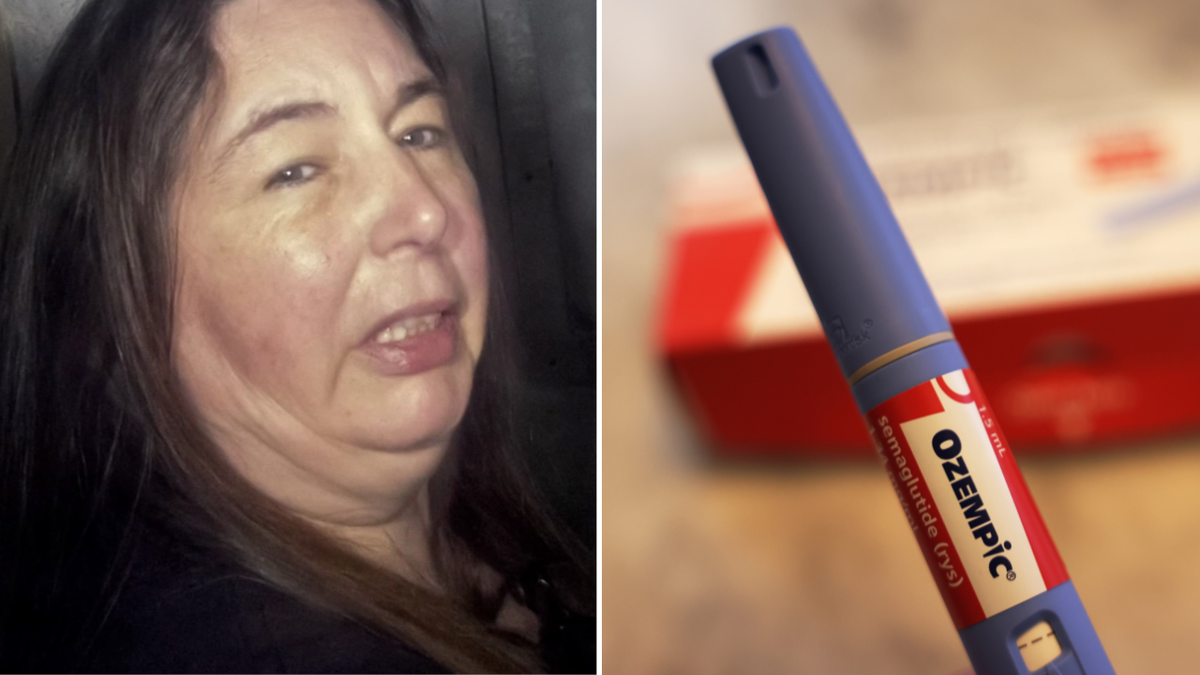
Erin Patterson, the Australian woman serving a life sentence for three murders, has been approved for taxpayer-funded Ozempic injections while in prison, prompting a fresh debate over healthcare for inmates.
The 51-year-old is being held at the Dame Phyllis Frost Centre in Victoria, where she is reportedly confined to her cell for up to 23 hours a day because of the security risks linked to her notoriety.
Patterson was convicted of murdering her former in-laws, Don and Gail Patterson, and Gail’s sister, Heather Wilkinson, after serving them beef Wellington containing death cap mushrooms at a lunch in July 2023. She was also found guilty of attempting to murder Ian Wilkinson, who survived the meal.
She was sentenced to life imprisonment in September 2025, with a minimum non-parole period of 33 years.
Ozempic prescription approved on clinical grounds
The Victorian Department of Corrections told the Herald Sun that Patterson’s medication had been approved solely on the basis of clinical need.
Ozempic is approved in Australia to treat type 2 diabetes and reduce the risk of associated kidney and cardiovascular complications. It is also widely prescribed off-label for weight loss, although access to the drug has been difficult for some patients during periods of shortage.
Corrections Victoria said prison healthcare was delivered in a similar way to treatment in a hospital, meaning inmates were not charged for prescribed medication. It said there were no blanket restrictions on the medicines that could be prescribed to people in custody.
The department said the treatment could help prevent conditions including type 2 diabetes and other complications associated with rapid weight gain. Patterson’s restricted regime means she has limited opportunities to leave her cell, exercise or take part in normal prison activities.
Reports have previously indicated that other prisoners in Victoria, including convicted murderers, have been given Ozempic and similar weight-loss medicines when doctors considered them clinically necessary.
Patients receiving Ozempic through Australia’s Pharmaceutical Benefits Scheme can pay between A$7.70 and A$31, depending on their circumstances. Where PBS requirements are not met, or the drug is prescribed for an off-label purpose, the monthly cost can be about A$130.
Criticism of taxpayer-funded prison healthcare
The decision has drawn criticism from some Australian commentators, who questioned whether taxpayers should fund weight-loss treatment for a prisoner convicted of multiple murders, particularly while some members of the public struggle to obtain the drug.
Brad Batten, Victoria’s opposition spokesman for police and corrections, previously argued that significant weight gain among prisoners should prompt scrutiny of prison diets and exercise opportunities rather than an immediate reliance on medication.
Speaking on Sunrise, commentator Cath Webber described the prescription as unacceptable, while James Willis said the decision would be difficult for many Australians to accept given the drug’s recent shortages.
Corrections Victoria maintains that medical decisions for people in prison are made according to individual health needs, rather than the nature of their offences or their ability to pay.
