


European prosecutors have opened an investigation into possible fraud involving EU funding for Spain’s rail network after a high-speed train collision killed at least 69 people last month.
Investigators from the European Public Prosecutor’s Office (EPPO) carried out measures at the offices of Spain’s railway infrastructure manager, its rail safety agency and the country’s Court of Auditors.
The inquiry centres on money allocated to modernise safety, signalling and communications systems on the Madrid-Seville high-speed line.
The EPPO said its Madrid office was investigating possible fraud affecting EU funds assigned to the renovation and upgrading of the route. It did not say that any organisation or individual had been charged.
Investigation follows second fatal crash
Spain’s railway infrastructure manager, Adif, confirmed that EPPO officials had visited its premises and said it had co-operated with the investigation by supplying the requested information.
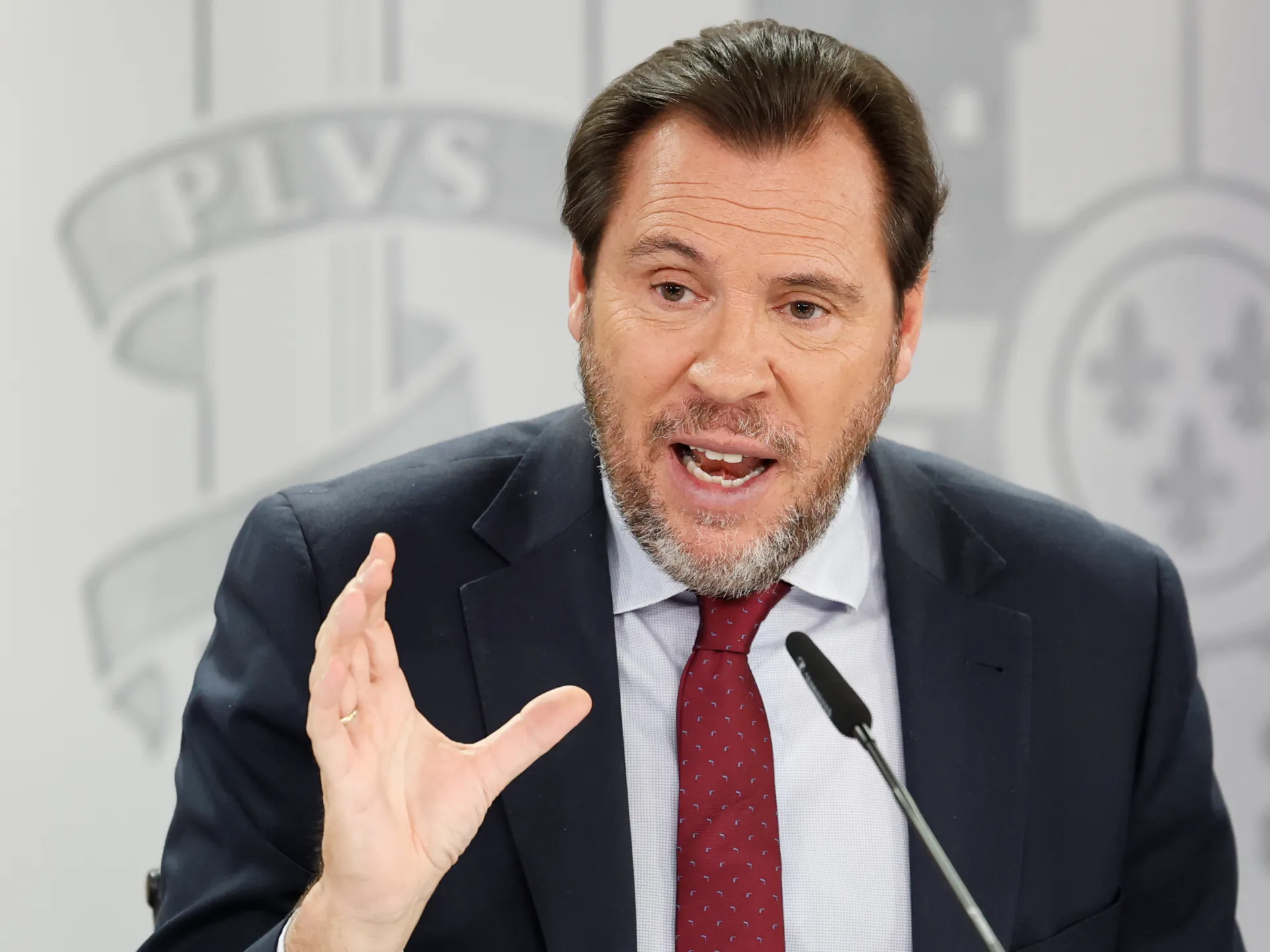
The action follows the 28 October collision in Urda, in Toledo province. It was the second fatal train crash in Spain this year and prompted the resignation of Transport Minister Óscar Puente.
EPPO had already investigated Spain’s rail network in March after a high-speed train crash in the Adamuz region killed 46 people in January. That inquiry examined how EU funding for track maintenance had been used, but no update was given on its progress.
EU Transport Commissioner Apostolos Tzitzikostas described the closeness of the two fatal accidents as “very worrying” at a briefing on Wednesday. He said Spain had asked the European Union Agency for Railways to assist with its national investigation.
Resignations after Urda crash
Mr Puente resigned on Tuesday, describing his decision as a “matter of political dignity”. Adif president Luis Pedro Marco de la Peña stepped down the following day.
Economy Minister Carlos Cuerpo is due to take over Mr Puente’s responsibilities until elections later this month, which could be affected by the tragedy.
Survivors of three of Spain’s worst train crashes gathered at the end of October to call for stronger safety procedures and greater investment in maintaining the rail network.
One survivor, Cristóbal González, said: “Now we have seen three dreadful crashes in Spain, at Angrois, Adamuz and Urda. They will keep happening if we do not act.”
The 2013 crash at Angrois, which killed 79 people, remains Spain’s deadliest rail accident in modern times.
