


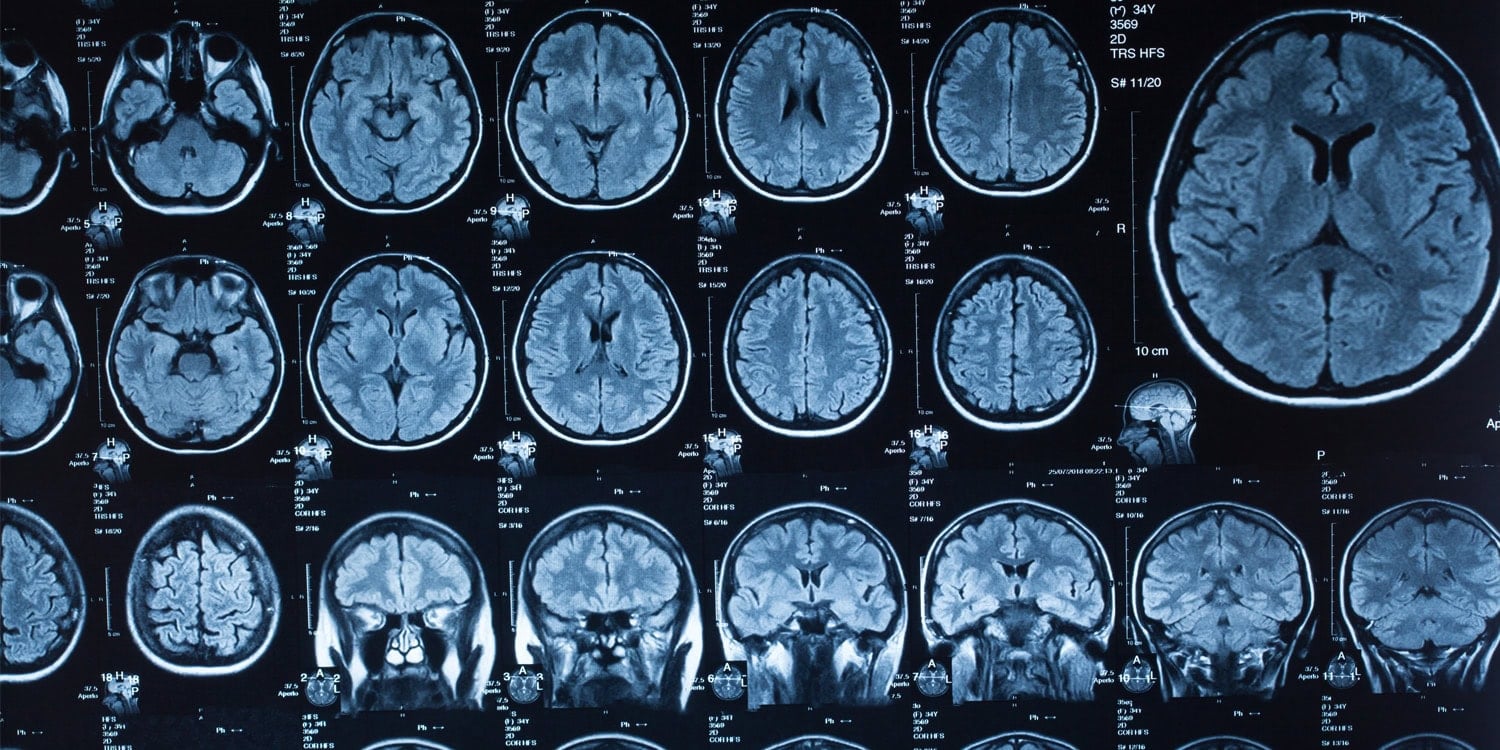
A nationwide study analysing data from thousands of American children has identified distinct links between six sources of outdoor air pollution and the way developing brains wire themselves, signaling that not just how much pollution children breathe but where it comes from may matter for brain development. The cross‑sectional analysis drew on 6,291 participants aged 9 to 11 across 20 study sites, with a subset scanned again about two years later to explore changes in brain connectivity.
Outdoor air pollution comprises fine particulate matter, or PM2.5, tiny enough to reach the lungs and potentially the brain. The researchers focused on resting-state brain activity, which maps how different networks in the brain synchronise when a person is not engaged in a task. The study used data from the Adolescent Brain Cognitive Development Study, a large national project following thousands of youths, and looked at how connectivity among 12 functional networks related to exposure to six pollution sources.
The six sources were identified by grouping 15 chemical components: crustal materials (soil and dust), ammonium sulfates (largely from coal combustion), biomass burning (wood smoke and wildfires), traffic emissions, ammonium nitrates (often linked to fertilisers), and industrial fuel combustion. The researchers applied a machine‑learning approach, known as connectome‑based predictive modelling, to detect patterns of brain connectivity associated with each pollution source. They trained models across most sites and tested them on a held‑out site to gauge generalisability, while controlling for factors such as income, race and ethnicity, neighbourhood safety, density, road distance, urbanicity, physical activity, screen time, scanner hardware and head movement.
Pollution sources and child brain connectivity
In the cross‑sectional analysis at ages 9 to 11, the team found consistent links between pollution sources and connectivity across sensory and motor networks. Greater exposure to traffic emissions related to weaker communication between visual and mouth‑related motor networks, and between auditory and cognitive‑control circuits. By contrast, higher exposure to ammonium sulfates was linked to stronger communication between sensory systems and higher‑order networks, including the default mode network.
Crustal materials, industrial fuel burning and total particulate matter were each tied to a set of sensory and attention‑related connections, while biomass burning showed no clear pattern at this age.
Higher‑order networks involved in introspection, processing of stimuli and attentional control were also associated with specific pollution sources. Exposure to ammonium nitrates was linked to stronger communication between the salience and cognitive‑control networks, but weaker connectivity within memory networks and between attention networks and other networks.
Over the following two years, the researchers observed some changes linked to three sources. Traffic exposure was connected with increasing communication over time between hand‑movement networks and attention areas, but decreasing connectivity between auditory and cognitive‑control networks. Biomass burning exposure was associated with increasing connectivity among attention networks, while ammonium sulfate exposure was linked to weakening connectivity between an attention network and a hand‑movement network. No consistent longitudinal pattern emerged for crustal materials, ammonium nitrates, industrial fuel burning or total particulate matter.
Despite identifying reproducible patterns in the training data, the authors noted that these connectivity patterns explained only a small fraction of the observed variation in exposure. Cross‑sectionally, they accounted for less than 1 per cent of the variation, and for changes over time no more than about 2 per cent. When models were tested on children from held‑out sites, predictive performance did not surpass simply guessing the average exposure, with the largest errors occurring in the western United States and where exposure levels varied more between children.
The authors concluded that, after accounting for other factors, these pollution sources are likely to play only a small role in differences in brain connectivity between children, and that the links may not generalise to youths in other regions. They noted that patterns for biomass burning and ammonium sulfates held up best across sites, while results for crustal materials and traffic emissions should be interpreted with more caution.
The findings align with earlier PsyPost reporting of related work suggesting that elevated particulate pollution may dampen brain network maturation over time, though that study evaluated an overall brain maturity score rather than connectivity across specific networks and pollution sources.
“This is an important and timely topic, and the paper complements a growing body of evidence that children’s physical environments in general, and air pollution exposure in particular, are associated with their neural and cognitive development,” said Monica Rosenberg, an associate professor of psychology at the University of Chicago and co‑developer of the brain‑modeling technique used in the study, who was not involved in the research. “The longitudinal aspect of this work is unique and is a major strength—the authors didn’t just show associations between brain networks and pollution at a single time point but found that pollution predicts developmental trajectories of networks.”
Acknowledging limitations, Rosenberg stressed that the study used observational data and statistical associations, so it cannot establish direct causation between breathing the specific particles and the observed network differences. She also highlighted geographic variation: “One caveat is that the primary predictive models did not successfully generalize across sites, meaning that associations between brain network patterns and air pollution were inconsistent across geographic locations,” she said. “In addition to the thorough analyses presented in the paper, it would be interesting to test whether the observed brain changes were associated with cognitive and/or attentional performance since the implications of neural changes alone aren’t always clear.”
Other caveats include how exposure was measured: pollution levels were assigned based on each child’s home address for a single year, which does not capture daily habits such as indoor filtration, time spent indoors or commuting routes. The study sample also skewed toward higher‑income and non‑Hispanic white households, and average particulate exposures were below federal limits. The authors caution that future work should follow youths into later adolescence to see whether these network patterns relate to sensory function, attention or mental health outcomes.
The study, “Sources of outdoor air pollution exposure and child brain network development across the United States,” was led by Katherine L. Bottenhorn and colleagues, including Kirthana Sukumaran, Amanda C. Del Giacco, Hedyeh Ahmadi, Jordan D. Corbett, Alethea V. de Jesus, Carlos Cardenas‑Iniguez, Rima Habre, Daniel A. Hackman, Joel Schwartz, Jiu‑Chiuan Chen and Megan M. Herting.
