


Australia is to launch a federal parliamentary inquiry into the prescribing and sale of peptides, amid concern that online health businesses are making it too easy for consumers to obtain unapproved medicines.
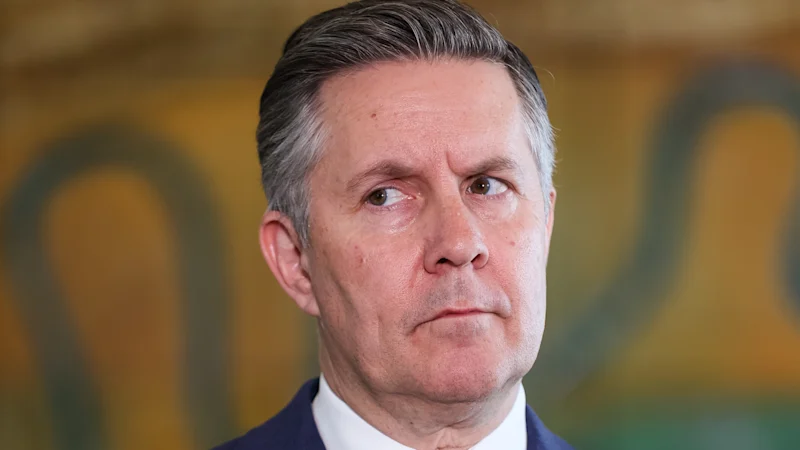
Health Minister Mark Butler has asked the House of Representatives health committee to investigate telehealth providers, online dispensaries and social media platforms involved in the promotion and supply of the products.
The inquiry will examine whether existing safeguards are adequate for a digital healthcare model in which patients can seek medical advice, receive a prescription and have medicines delivered without attending a doctor’s surgery.
Peptides are increasingly marketed for weight loss, muscle development, recovery and anti-ageing. While some are used in approved medicines, regulators have warned that many preparations being sold online have not been assessed for safety or effectiveness in Australia.
Inquiry to examine online peptide prescribing
The Therapeutic Goods Administration has reported increased imports, compounding, supply and advertising of unapproved peptide products. Social media promotion and online prescribing services are understood to have contributed to rising demand.
The Australian Medical Association has reported more people obtaining peptides through the grey market after encountering them on social media. Some have suffered serious side effects, required hospital treatment or experienced lasting health problems.
“I know peptides are often marketed on social media as wonder-drugs, but the reality is that they can pose serious health risks to Australian consumers,” Mr Butler said.
He added: “I am extremely concerned about escalating reports by the TGA of unapproved peptides being prescribed and delivered via telehealth and one-stop-shop style dispensaries.”
Among the inquiry’s areas of focus will be vertically integrated healthcare businesses that oversee several stages of treatment, including consultation, prescribing and dispensing. Such services can improve access for people who find it difficult to see a doctor in person, but the committee will consider whether commercial interests may affect the independence of clinical advice.
The review will also consider prescribing practices, the use of medicines for purposes outside their approved indications, consumer demand and the role of digital platforms in promoting peptide products.
Dan Repacholi, the Labor MP and special envoy for men’s health, said social media was exposing users to promises of bigger muscles, quicker recovery and improved physical appearance.
“But just because someone with a six-pack is promoting something online doesn’t mean it’s safe,” he said. “I’m particularly concerned about young blokes being influenced by what they see online and turning to unapproved products without understanding the risks.”
The availability of the substances has also prompted concern in Australian sport because of potential health and anti-doping risks.
The inquiry was requested in a letter sent on Friday to Mike Freelander, the Labor MP and doctor who chairs the health committee. Consultation hearings are expected to begin this month, with a final report due by the middle of 2027.
