


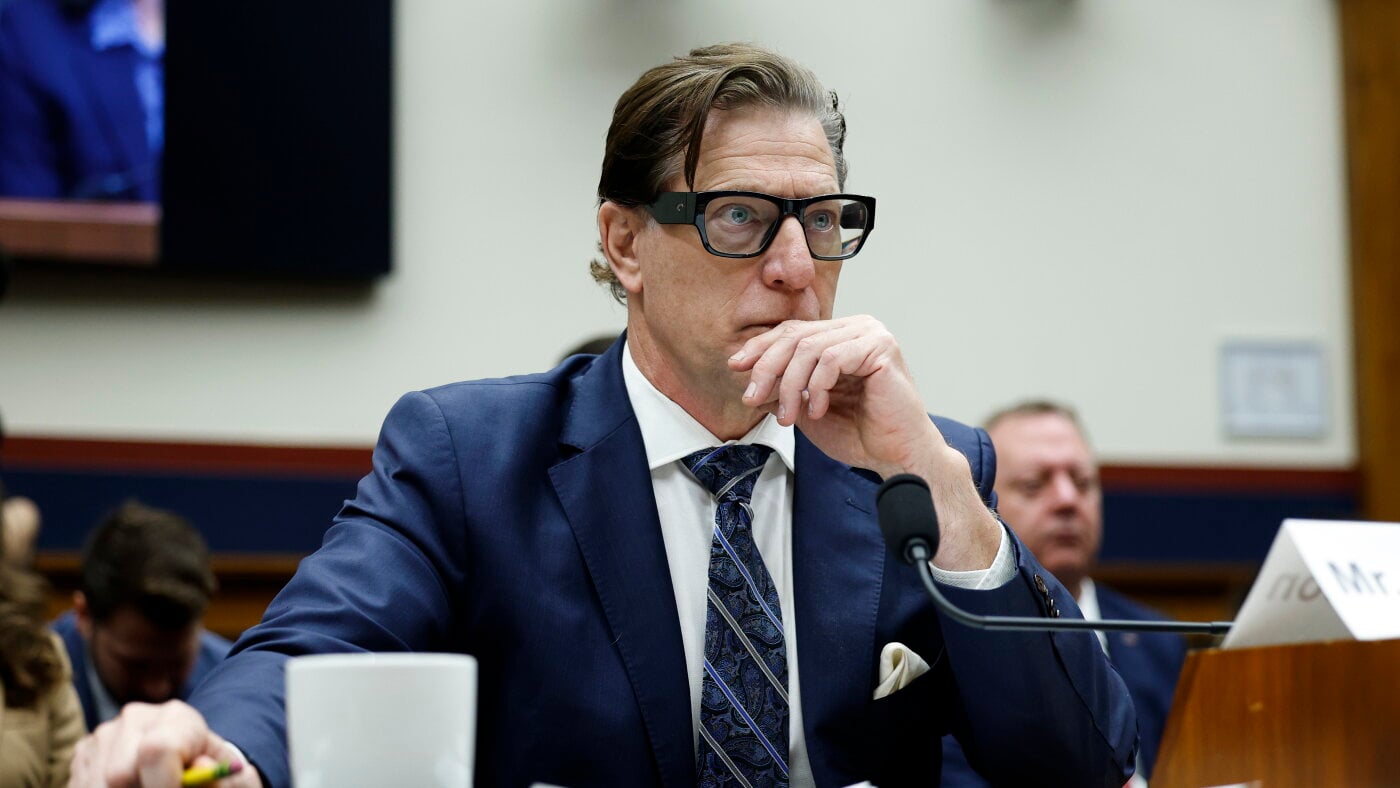
The Trump administration appears to have abandoned plans to abolish the Federal Emergency Management Agency, but the attempted shake-up has left the disaster agency facing staffing shortages and delays in distributing recovery funds, according to its former acting chief.
David Richardson, who led FEMA for much of 2025, said the White House had initially wanted the organisation either dismantled or dramatically reduced. He now believes it is more likely to pursue a smaller, reformed agency rather than shut it down.
“I don’t see there being a whole lot of change,” Richardson said, describing FEMA’s current approach as a “go-along-to-get-along kind of mode”.
The change in direction follows months of uncertainty at an agency President Donald Trump criticised shortly after returning to office. In January 2025, he said FEMA was “not good” and argued that its responsibilities should be transferred to the states.
Kristi Noem, then secretary of the Department of Homeland Security, echoed the criticism while overseeing FEMA’s budget. But Noem was dismissed in March, and the political case for eliminating the agency weakened as Republican-led states continued to rely on federal assistance after floods, hurricanes and wildfires.
FEMA workforce cuts raise readiness concerns
Richardson, a former US Marine artillery officer with no previous disaster-management experience, said he arrived at FEMA in May 2025 intending to reduce its Washington headquarters workforce from about 6,000 employees to no more than 2,000 by November.
He said his objectives were to get the agency through the hurricane season, reduce its size and prepare it for a possible rebranding. “I’m a small-government person,” he said, arguing that organisations can sometimes operate more effectively with fewer staff.
However, the plan was never approved. Richardson said the Department of Homeland Security later blocked his proposed timetable for cuts, while a presidential review council was given responsibility for recommending FEMA’s future structure.
“Dave, things have changed,” a DHS deputy chief of staff told him in July 2025, according to Richardson’s account of the episode in his forthcoming book about deadly flooding in Texas.
Richardson said he continued to support substantial reductions, but never received permission to halve the headquarters workforce. He resigned from FEMA later that year.
A report published by the US Government Accountability Office last month found that FEMA had reduced its workforce without first carrying out the strategic planning needed to determine whether it could still meet its responsibilities.
The watchdog said the agency had long-standing staffing problems and warned that further reductions could affect its ability to respond to several disasters at the same time. As of 2 June 2026, FEMA was managing response and recovery operations for 1,079 open disaster declarations.
Current FEMA employees told US media that fears of wholesale abolition and mass redundancies had eased, but said understaffing remained a serious problem, particularly in divisions responsible for disaster recovery and grants.
Andrew Rumbach, a disaster-policy researcher at the Urban Institute, said the administration’s approach appeared to have been an “ill-advised attempt to reduce the size of FEMA without fully understanding all the different functions that the agency has”.
Deanne Criswell, who ran FEMA during the Biden administration, said the agency could be made more efficient but warned against indiscriminate cuts. “It’s only going to hurt the person who has the most need after a disaster,” she said.
New FEMA leadership points to reform
Cameron Hamilton, who briefly served as FEMA’s acting administrator before Richardson took over, was confirmed by the Senate as the agency’s permanent leader on 7 August.
In an introductory message to staff, Hamilton said he looked forward to “strengthening the agency for the future”. At his confirmation hearing, he pledged to assess requests for federal disaster aid in an objective and consistent manner.
The FEMA Review Council established by Mr Trump has recommended giving states greater responsibility for managing disasters and changing how federal support is triggered. Some of its proposals could be implemented administratively, while others would require action by Congress.
FEMA has also begun a pilot scheme with Indiana intended to speed up the release of federal money for flood repairs, an approach Mr Rumbach said was preferable to the more sweeping cuts previously under consideration.
But major reforms remain stalled. Proposals to give FEMA a direct line to the president and overhaul payments to individual survivors would need co-operation between the White House and Congress.
For now, FEMA remains in operation, despite the administration’s earlier threats to eliminate it. The agency said it was “fully operational” and focused on helping people before, during and after disasters, but declined to comment on Richardson’s book or internal personnel decisions.
