


GEA Group is turning sustainability into a central business strategy, combining investment in low-emission food technology with a drive to cut the energy and resource use of its industrial machinery.
The German engineering company has taken a roughly 5.5% stake in Finnish start-up Solar Foods after investing €8 million earlier this year. The deal makes GEA a strategic partner to the company, which is developing a protein powder made from carbon dioxide and hydrogen.
Known as Solein, the mustard-yellow powder is being developed for use in protein shakes and bars, pasta and meat alternatives. Solar Foods says the product could have dramatically lower emissions than conventional protein production and reduce its reliance on land-intensive agriculture.
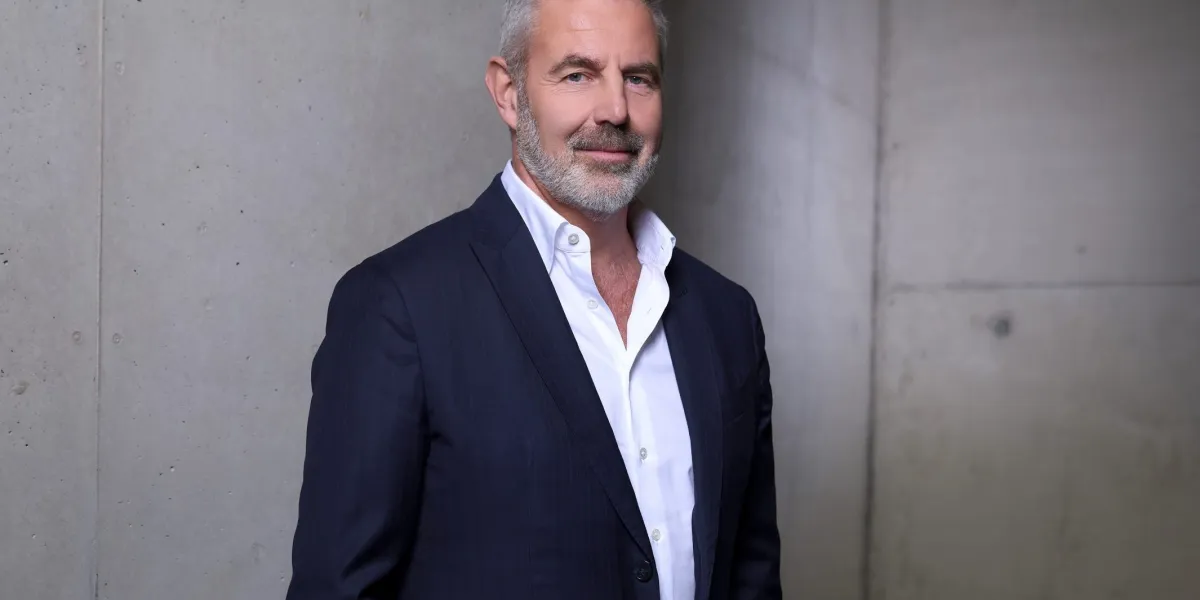
GEA chief executive Stefan Klebert said the investment reflected the company’s belief that businesses needed to take practical action on climate change.
“I strongly believe that it is necessary to do something to save this planet,” he said. “We are in climate change—nobody, I think, can ignore this anymore. We can do better.”
GEA Group targets lower energy use
Alongside its investment in Solar Foods, GEA is redesigning the machinery and systems it supplies to the food, drinks and pharmaceutical industries. Its equipment is used in dairy processing, food drying, fermentation, freezing and packaging.
The company is targeting net zero across its value chain by 2040 and plans to invest about €175 million over that period in decarbonising its own factories.
Klebert said GEA had changed the way it approached engineering projects. Rather than seeking modest productivity improvements from processes that consume large amounts of resources, engineers were being asked to find substantial reductions in energy and water use while maintaining output.
“I told them, don’t innovate to find 15% more output. We want to do the same thing, but with 30% to 40% less energy, less water, or any other resources,” he said.
One example is a system combining an industrial heat pump with a milk spray dryer. GEA says the technology enabled Danish organic milk producer Arla to maintain production while cutting total energy consumption by more than half.
The saving was so significant that Arla’s local energy supplier contacted the company to check whether there had been a fault, according to Klebert.
The approach comes as European businesses face pressure from high and rising energy costs. Klebert said depleted energy reserves and the impact of the Iran-US conflict were adding to the difficulties faced by companies during the winter, particularly in Germany.
“A lot of companies are struggling with high energy costs. Especially in Germany, energy prices are sky high and going up because of a lot of stupid decisions that have been made [at a policy level],” he said.
For GEA, however, Klebert said sustainability was no longer solely a matter of corporate responsibility. “The focus on sustainability is not only coming out from the conviction that we need to do something good for the world—it is also a business model,” he said.
Sustainability and industrial growth
GEA’s position contrasts with signs that some European companies are reviewing their climate plans as they contend with short-term financial and geopolitical pressures.
A survey of more than 300 European chief sustainability officers by management consultancy Horváth found that about two in five companies were reassessing their climate ambitions. Separately, 57% of European businesses surveyed by EY said sustainability initiatives would be among the first areas cut if they needed to reduce spending.
GEA says its own financial performance shows that sustainability can be integrated into a profitable growth strategy. Revenue rose 5.7% year on year to €2.7 billion in the first half of 2026, while earnings before interest, tax, depreciation and amortisation, excluding restructuring costs, increased by 10% to €456.5 million.
That gave the company an EBITDA margin of 16.8%.
Klebert acknowledged that the benefits of sustainability could vary between industries. GEA’s customers often use significant amounts of energy, meaning more efficient machinery can reduce their costs while also helping GEA lower emissions across its wider value chain.
“We have an advantage that our customers are highly energy intensive, and if we innovate in saving energy, it helps us to reduce our scope 3 [emissions] and, at the same time, deliver a tangible benefit to our customers,” he said.
He said the calculation could be different for companies whose own operations consumed most of their energy, citing the chemicals industry as an example. Even so, he argued that businesses had to respond through innovation while remaining competitive.
“Of course, we have to stay competitive, but it’s also about innovation, having good ideas and meeting the challenge, because I think there is no other way,” Klebert said. “Of course, it costs money. But if you have good products, if you are innovative, if you have an efficient organization, you can afford it.”
