


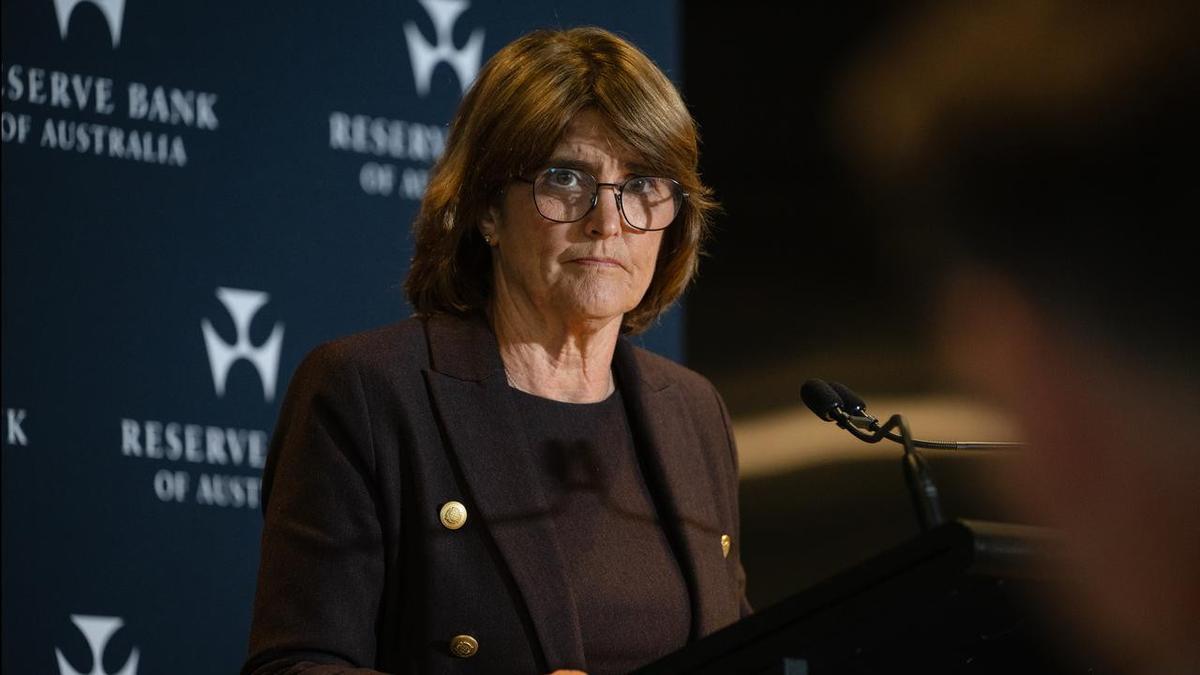
Australia’s central bank has said the risk of widespread negative equity remains contained, estimating that fewer than one per cent of borrowers are currently affected despite a sharp six-month fall in house prices and rising interest rates.
The Reserve Bank of Australia said mortgage holders had generally retained enough income and savings to withstand further deterioration in the housing market. Its modelling found that even a 20 per cent fall in prices from current levels would leave only about 5 per cent of mortgages in negative equity.
The assessment followed the RBA’s decision to raise interest rates by 25 basis points on Tuesday, taking its cash rate to a 15-year high of 4.6 per cent. It was the fourth increase of 2026.
Mainstream forecasts for the housing downturn have been less severe, with HSBC chief economist Paul Bloxham among those predicting a peak-to-trough decline of about 13 per cent.
The RBA said mortgage arrears had generally remained low, while lenders had continued to apply strict lending standards since a three percentage point serviceability buffer was introduced by the prudential regulator.
Most homeowners were also judged to have a substantial equity cushion as a result of the rise in house prices following the pandemic. “In short, while there are pockets of stress in the household and business sectors, both sectors display a good level of resilience overall,” the bank said.
RBA governor Michele Bullock defended the latest rate rise, saying action was necessary to bring inflation under control. “Pay packets don’t go as far as they used to, and that’s why we need to stop this high inflation,” she said.
The comments came as headline inflation increased from 3.5 per cent to 4.0 per cent, its highest level in four months.
The bank said business risks were also being limited by cash reserves that had risen above average after the pandemic. Total insolvencies had returned to around average levels over the past year, although they remained elevated in hospitality, construction and transport.
It said the companies involved were generally small or had limited bank borrowing, meaning lenders’ exposure remained restricted. “The risks associated from them remain contained, as far as the RBA is concerned,” the report said.
The review identified financial infrastructure and the growing interconnection of international systems as wider areas of concern. Technology failures, malicious activity and problems affecting utility networks could disrupt payments and the movement of money, while high sovereign debt, elevated asset prices and greater reliance on borrowing were adding to pressure across global markets.
