


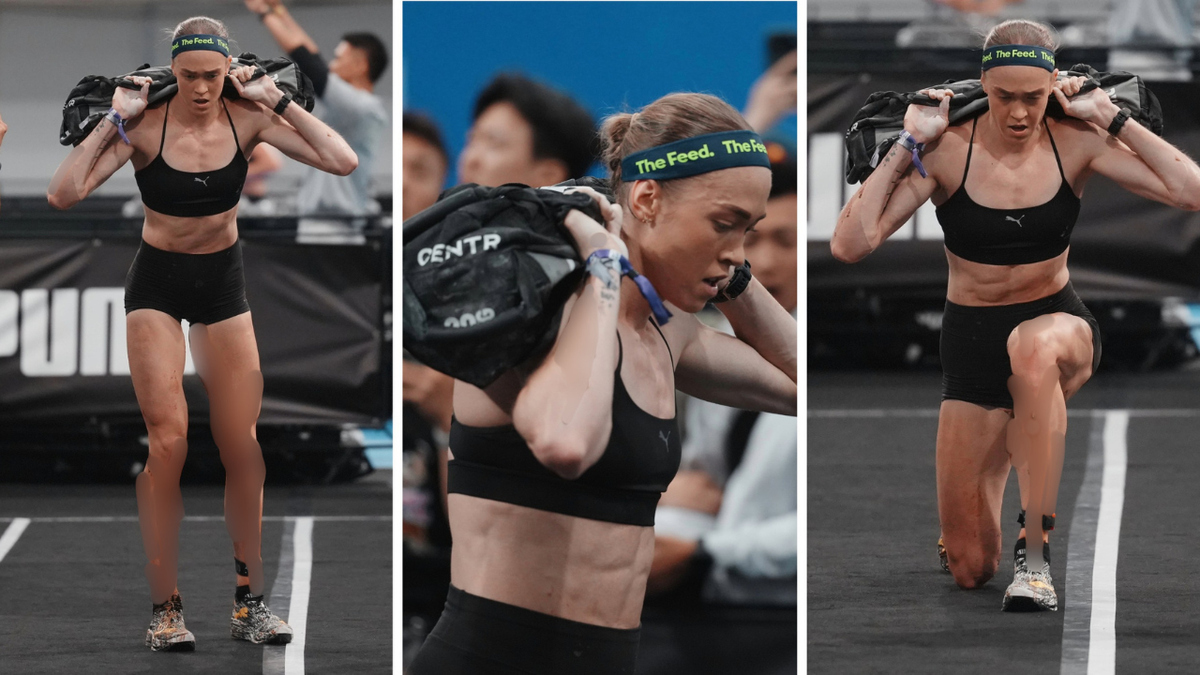
HYROX has apologised after Australian athlete Joanna Wietrzyk defecated during a race in Beijing and continued competing, prompting criticism over the impact on fellow participants and the event’s hygiene standards.
Wietrzyk, the current world number one in the women’s singles division, was taking part in the HYROX Women’s Pro division. Images and video circulated on social media showing her completing — and winning — the race with faecal matter on her arms and legs.
The footage led to questions over why race officials had not intervened or required her to stop. Some spectators also called for Wietrzyk to be disqualified retrospectively.
HYROX co-founder Moritz Furste said the organisers had failed to respond appropriately at the time and apologised to those affected, including Wietrzyk’s competitors.
“I apologise to all that were directly or indirectly affected, as well as to everyone who felt like we did not handle the situation like we should have,” he said in a post on Instagram.
“In the end it is my job to foresee these potential incidents and I did not.”
Furste said HYROX had begun changing its event processes and rulebook immediately. “As of this moment, there are new rules and procedures in place to prevent situations like this from happening again,” he said.
Criticism over health risk to competitors
The apology came a day after HYROX said it would target social media users who had made threatening or violent comments about Wietrzyk, including banning them from future competitions.
The organisation said strong reactions were understandable but insisted there was “no place in our community for threats or violence or encouragement to harm an athlete”.
That earlier statement drew further criticism from fans who said it did not address the concerns of competitors who had trained for the event.
One person described the incident as “completely unfair for any participants behind her”, while another said athletes following Wietrzyk had been placed at “a health risk and a disadvantage”.
Another commentator said the issue was not about embarrassing an athlete after an accident, but about “basic hygiene, sanitation, and respect for every other competitor on that course”.
HYROX said it accepted that the concerns raised by its community were legitimate and that, as organisers, it needed to examine what happened and continue improving its procedures.
