


Laika’s Wildwood has delivered a modest box-office rebound for the Oregon stop-motion studio, opening with about $12.3 million in the US and reaching $25.9 million domestically after its second weekend.
The film, directed by Laika president and chief executive Travis Knight, remained in third place over Halloween weekend after its takings fell by an estimated 39 per cent. It trailed A24’s Elizabeth Holmes documentary You Can See Everything and DC Studios’ Clayface.
Those figures are small compared with the billion-dollar animated sequels dominating the market, but they represent a significant improvement on Laika’s previous feature. Missing Link, released in 2019, opened with $5.9 million and ended its US run on $16.6 million.
Wildwood has taken almost $36 million worldwide as it expands across international markets. Yet the film still faces a difficult route to profitability.
Laika has not disclosed its production budget, although it has been widely reported at about $100 million. The figure would put Wildwood above the reported costs of several rival animated films, including Illumination’s Minions & Monsters and DreamWorks’ Forgotten Island.
The studio’s box-office record has also deteriorated since Coraline earned $75 million domestically in 2009. ParaNorman took $56 million in 2012, followed by $50.8 million for The Boxtrolls and $48 million for Kubo and the Two Strings, before Missing Link marked a sharp decline.
International sales and home entertainment provide additional income, but cinemas generally retain about half of ticket revenue and marketing costs are not included in production budgets. By the industry rule of thumb that a film needs to earn roughly 2.5 times its production cost to break even theatrically, Laika’s finances remain challenging.
How Nike money keeps Laika making stop-motion films
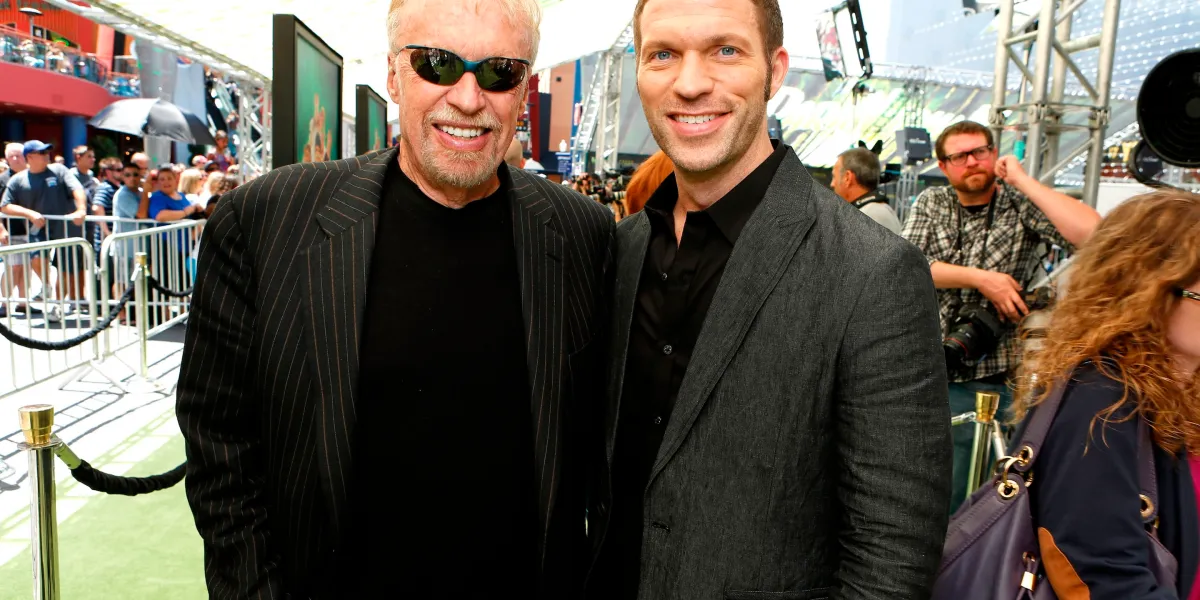
The company’s continued existence is underpinned by the wealth of Phil Knight, the Nike co-founder and father of Travis Knight. Laika is privately held and does not publish its financial results.
Phil Knight invested in Laika’s predecessor, Will Vinton Studios, in 1998, around the time his son joined as an animator. He became the majority owner in 2002, and the studio was renamed Laika in 2005 after founder Will Vinton was removed from the company.
Laika has since concentrated on feature films rather than commercial work. Its commercial division was spun off in 2014, leaving the studio to pursue projects made through the painstaking process of constructing and moving puppets frame by frame.
That backing has allowed Laika to maintain a base in Hillsboro, Oregon, near Nike’s headquarters in the Portland area, rather than relocating to Hollywood. Travis Knight has also been a member of Nike’s board since 2015.
Wildwood is the studio’s first film to receive a PG-13 rating. Its content includes strong fantasy violence, bloody images and suicide-related material, making it a darker proposition than a conventional family animation.
The film’s long development reflects the demands of the medium. Knight began working on the adaptation of Colin Meloy and Carson Ellis’s novel shortly after Coraline, with its journey to the screen taking 16 years.
Laika’s model stands apart from the larger entertainment groups increasingly focused on established franchises and technology. Its films are original stories made through a labour-intensive form of animation at a time when studios are exploring generative artificial intelligence.
Laika expands beyond Wildwood
The studio is also developing projects outside its established feature-animation slate. It appointed former Netflix executive Matt Levin in 2023 to lead a live-action division and is working on a series based on Emily St John Mandel’s novel Exit Party with Fruit Tree, the production company founded by Emma Stone and Dave McCary.
Its animation projects include an adaptation of Susanna Clarke’s Piranesi, which Knight is set to direct, and The Night Gardener, based on an original idea from Ozark creator Bill Dubuque.
All five of Laika’s previous features received Oscar nominations for best animated feature. Strong reviews for Wildwood could give the studio another nomination and its first chance of winning the award.
