


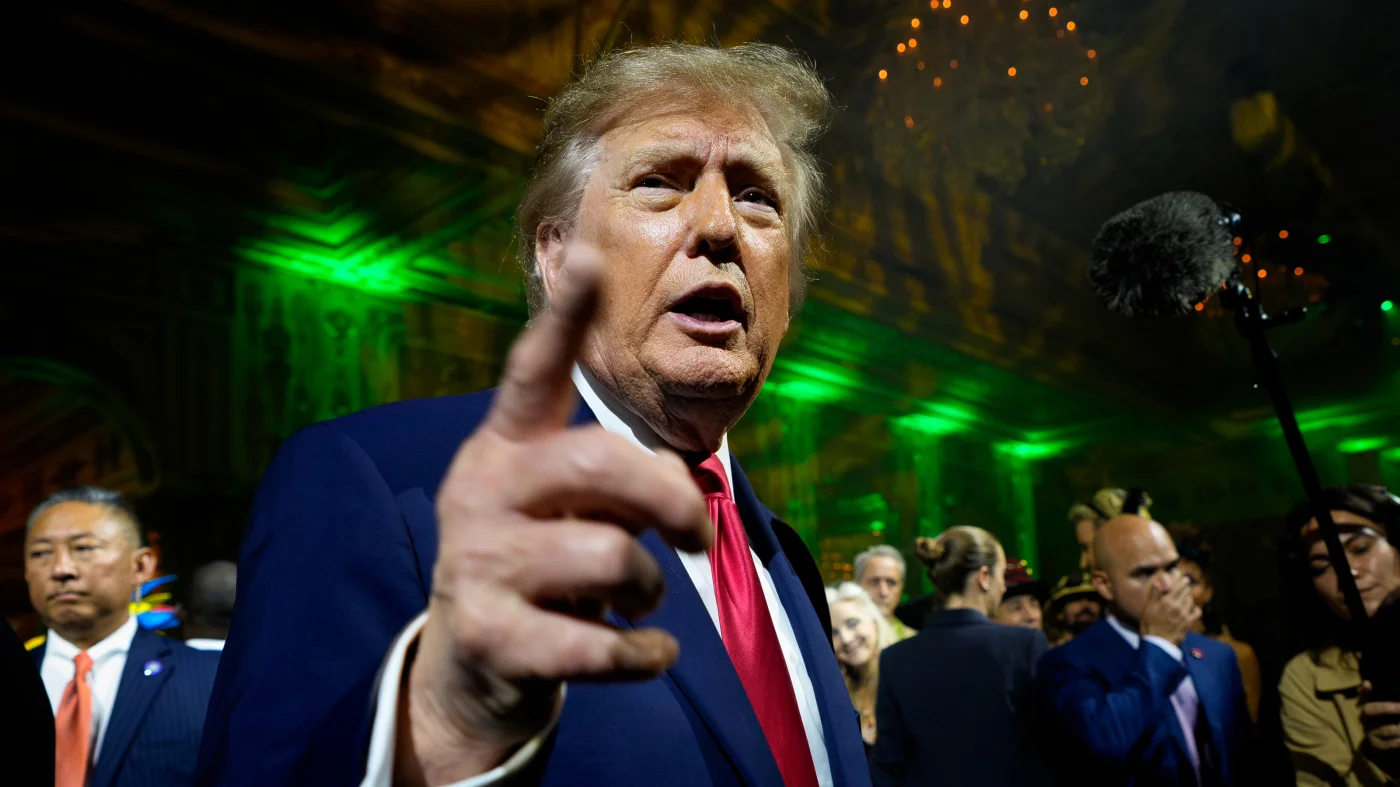
Donald Trump’s Republican Party is facing potentially heavy losses in the US midterm elections, as stubborn inflation, rising energy costs and the president’s declining approval ratings fuel discontent among voters.
Democrats are favoured to regain control of the House of Representatives and have moved within reach of a Senate majority, although the final result will depend heavily on Republican turnout and a series of closely contested races.
Trump returned to the White House in 2024 promising to reduce prices, but the cost of living has continued to rise. His tariffs and the war with Iran have also contributed directly to higher prices for goods and energy, leaving voters increasingly willing to hold him responsible for the state of the economy.
A recent NPR/PBS News/Marist poll found that 38 per cent of respondents said their financial position had worsened, while 44 per cent said it had mostly stayed the same. Only 15 per cent said their finances had improved.
The economic strain has been unevenly distributed. Wealthier Americans have benefited from rising stock portfolios, particularly those linked to artificial intelligence companies, while many others face inflation outpacing wage growth, a lacklustre jobs market and higher interest rates that have made buying a home or car more difficult.
Opposition to the administration’s hard-line immigration enforcement, cuts to domestic spending and healthcare programmes, and reductions in regulations and the federal workforce have further unsettled swing voters and energised Democrats.
US midterm elections present historic challenge for president’s party
History is also against the Republicans. Since the Second World War, the president’s party has gained House seats in only two midterm elections.
On average, the president’s party loses 26 House seats in a midterm contest. When presidential approval is below 50 per cent, the average loss rises to 35 seats, compared with 15 when approval is above that level.
Democrats have strengthened their position through a series of strong performances in special elections and gains in the 2025 off-year elections. The political climate has since become more difficult for Republicans, particularly amid soaring petrol prices linked to the Iran war.
However, a Democratic victory would not necessarily produce a sweeping majority. There are about 30 fewer competitive House districts this year than in 2018, when Democrats gained more than 40 seats.
Redistricting during the middle of the decade has also provided Republicans with an estimated advantage of eight seats. That benefit could be reduced depending on how Latino voters in South Texas cast their ballots.
Although the Republican Party is viewed unfavourably, Democrats face problems of their own. The party has struggled to satisfy parts of its base, including voters who identify as democratic socialists. Yet those voters appear highly engaged and strongly opposed to Trump.
The poll found that 44 per cent of respondents viewed their vote as being against Trump, compared with 21 per cent who said it was a vote for him. That dynamic could help Democrats in the midterms, while also sharpening arguments over the party’s direction ahead of the 2028 presidential contest.
Trump has been campaigning in Republican-leaning states in an effort to drive turnout. Without a strong Republican vote in those areas, a narrow Democratic Senate gain could expand into a much larger shift in the chamber.
Most races are expected to be called on election night, but close contests – particularly in the Senate – could leave control of Congress uncertain for days or weeks.
Trump has already raised the prospect of rigged elections, repeating a pattern seen after previous contests that did not go his way. His false claims of fraud after the 2020 election preceded the assault on the Capitol on January 6.
Most voters across party lines believe their states will conduct fair and accurate elections and say candidates should accept the result. But one in four Republicans said their candidate probably should not accept the outcome, leaving scope for misinformation and unrest if the margins are narrow.
Republican candidates have also sharply reduced their references to Trump in campaign adverts after featuring him prominently during the primaries. Party figures privately regard him as both an asset with his core supporters and a liability among swing voters.
The result is expected to reflect the president’s polarising standing: strong loyalty among a committed section of the electorate, but deep opposition among a larger group. Even if Democrats make gains, neither party is expected to secure a dominant majority, making compromise necessary for major legislation.
