


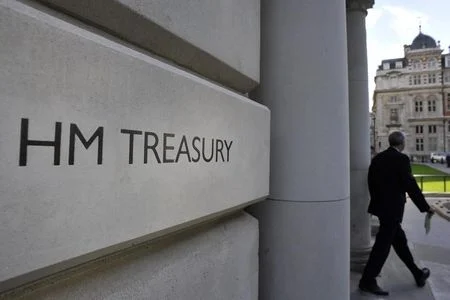
Britain is to cut the discount rate used to assess long-term public infrastructure projects from 3.5% to 3%, in a move the Treasury says will encourage investment across the country.
The change forms part of reforms to the Treasury’s Green Book, which guides government departments when they compare the costs and benefits of proposed capital projects and other public spending decisions.
A lower discount rate increases the weight given to benefits expected to emerge years or decades after a project is completed. That could improve the prospects of transport, housing and social infrastructure schemes whose wider economic impact may take time to become evident.
The Green Book review has been examining whether the existing rate risks undervaluing transformational investment by placing too much emphasis on short-term effects. The government’s independent review recommended reducing the headline rate from 3.5% to 3%.
Full details of the reforms, including the Treasury’s response to the review, are due to be published alongside the Budget on October 28.
John Healey is also expected to set out further details in his first major speech in the role on Monday.
The Treasury is separately testing an approach that assesses the economic potential of whole areas, rather than considering individual projects in isolation. Pilot schemes are under way in Plymouth, Liverpool, Birmingham and Port Talbot as ministers seek to direct investment towards projects capable of supporting broader regional growth.
