


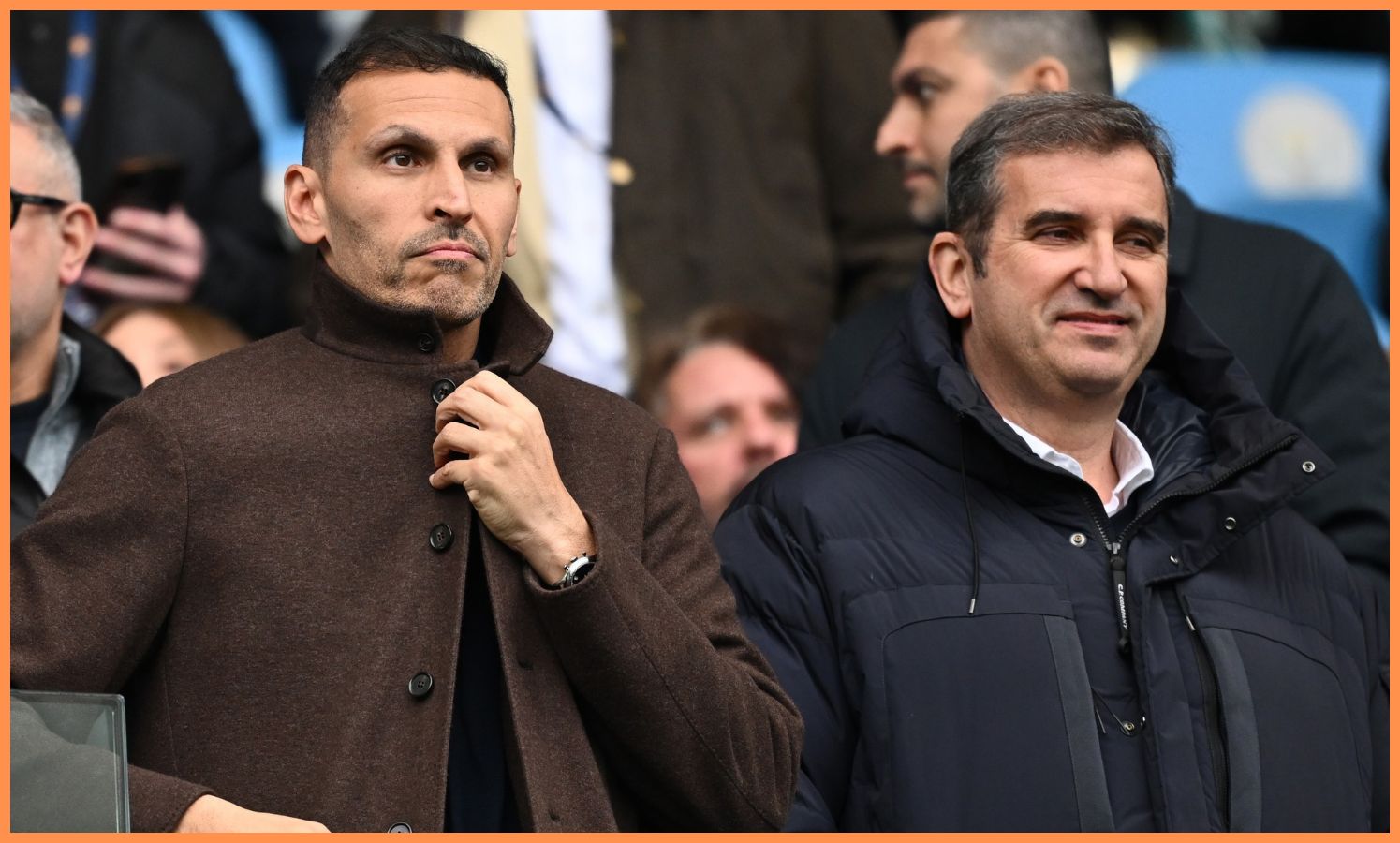
Manchester City chairman Khaldoon Al Mubarak could claim diplomatic immunity and avoid being questioned over allegations linked to the club, according to sports lawyer Yasin Patel.
Patel said the issue was complicated by Al Mubarak’s position as a senior Abu Dhabi government official. He stressed, however, that immunity would not amount to an assertion that any alleged wrongdoing had not occurred.
Diplomatic immunity and the Manchester City case
“Diplomatic Immunity is a position whereby the individual in question is protected from any legal proceedings or action,” Patel told the Daily Briefing.
He said that, in Al Mubarak’s case, the protection could mean he would not be required to answer questions concerning the allegations against Manchester City. Those allegations include claims relating to fraud, dishonesty, falsifying accounts and tax avoidance, as well as possible criminal conduct.
“However, immunity does not place diplomats outside the law,” Patel said. “It determines whether the receiving State may use particular judicial proceedings or coercive measures against a protected person; it does not make unlawful conduct lawful, establish innocence, or extinguish legal responsibility.”
The issue comes as Manchester City face the prospect of a major punishment after being found guilty of the vast majority of the 115 charges brought against them. Patel said the club could receive a substantial points deduction as soon as this season, one which could effectively guarantee relegation from the Premier League.
He distinguished the question of Al Mubarak’s immunity from the separate issue of whether Manchester City’s owners can continue to satisfy the league’s fit and proper person test.
Patel said that assessment was intended to protect the image and integrity of the Premier League and its clubs. He added that the central question would be whether City’s owners continued to meet the test, rather than whether there had been a criminal conviction or losses suffered by another person.
He argued that the allegations concern the way money was put into the club and whether the relevant rules were broken. The ownership question, he said, would therefore require consideration of whether that conduct was more serious than allegations made against owners of other clubs.
