


Millennial careers have reached a mid-point at which earnings have largely peaked and future growth is expected to track inflation, according to research from Glassdoor. The findings suggest the generation is facing an “is this it?” moment despite making up the largest share of the US workforce.
Chris Martin, Glassdoor’s senior economist, said millennials had reached midcareer and were increasingly questioning whether the professional lives they had spent two decades building would deliver the security they expected.
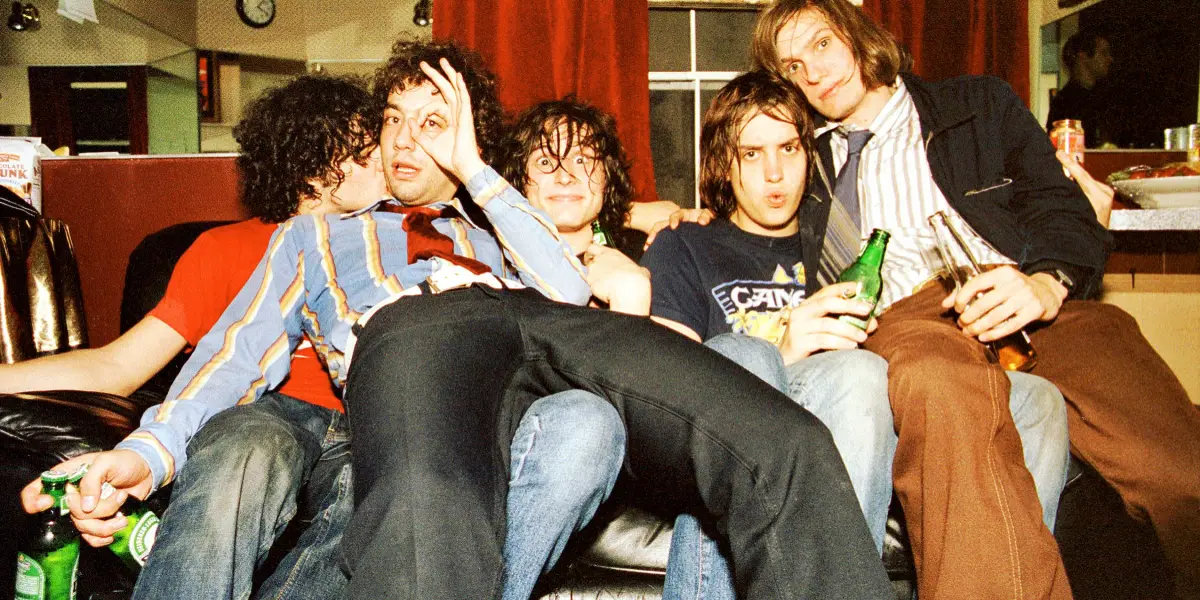
“We’ve made it,” Mr Martin said, adding that “the long and the short of it is, it doesn’t feel good”. He described the mood as an “is this it?” moment, borrowing the phrase associated with the Strokes’ 2001 album.
Millennials in management but facing insecurity
Millennials now account for 33% of the US labour force, more than any other generation, and have narrowed the management gap with Generation X. They represent 35% of managers, compared with 38% for Gen X, while more than one in four executives are millennials.
They also outnumber Baby Boomers in management and leadership positions. Yet 76% of millennials say they are actively questioning their career path, while 68% have delayed a major life milestone because of uncertainty about work, according to Glassdoor polling conducted this summer.
Workplace reviews point to a similar level of unease. Mentions of burnout are 44% higher among millennials than among other generations, while references to job insecurity have risen by 47% and mentions of layoffs by 54%. Among millennial women, burnout mentions are 76% higher than across all other groups.
Mr Martin cautioned that the review data provides a snapshot rather than a time series, meaning it cannot directly establish whether millennials are worse off than Gen X was at the same career stage. He said broader economic indicators suggested conditions were less favourable in 2026 than they had been for Gen X in 2011.
Gen X reached midcareer management during what Mr Martin called a period of sustained economic recovery and growth following the Great Recession, although some economists have described that decade as a jobless recovery. Millennials, by contrast, are reaching the same stage after five years of inflation above the Federal Reserve’s 2% target and amid anxiety over the impact of artificial intelligence on employment.
“Millennials are just not in the same moment,” Mr Martin said. He added: “I would rather have become a manager in 2011 than in 2026.”
Building stability while staying in work
The report describes a strategy called “stability stacking”, involving the accumulation of skills, income, professional contacts and options so that no single job or disruption can cause financial collapse.
In practice, that may mean developing a new direction while remaining in employment, building skills linked to artificial intelligence, moving sideways within the labour market or establishing a profile in another industry before changing jobs. Mr Martin said the available data was inconclusive on whether millennials were starting businesses at the same rate as other generations.
“Stability stacking is a response to this moment of, ‘I thought it would feel better. I thought I could count on my career and feel stable,’” he said.
The research also found a notable generational divide over corporate leadership. Gen Z gave senior executives higher ratings and expressed greater optimism about the outlook for business than any other generation in the data, while millennials in middle management were the most sceptical.
Mr Martin attributed that distrust to the crises millennials experienced at key points in their working lives. The Great Recession arrived as they entered the workforce, followed by the pandemic as many were moving into management.
“Millennials have had a couple of big rug-pull moments in their career, so we are scarred from that experience — less likely to trust things,” he said.
He said the situation was “not as bad as we feared”, after the US economy avoided the widely predicted recession in 2023. But he added that it was difficult to know whether the economic landing was complete, comparing the process to bringing down a plane when “the economy is not a single plane”.
