


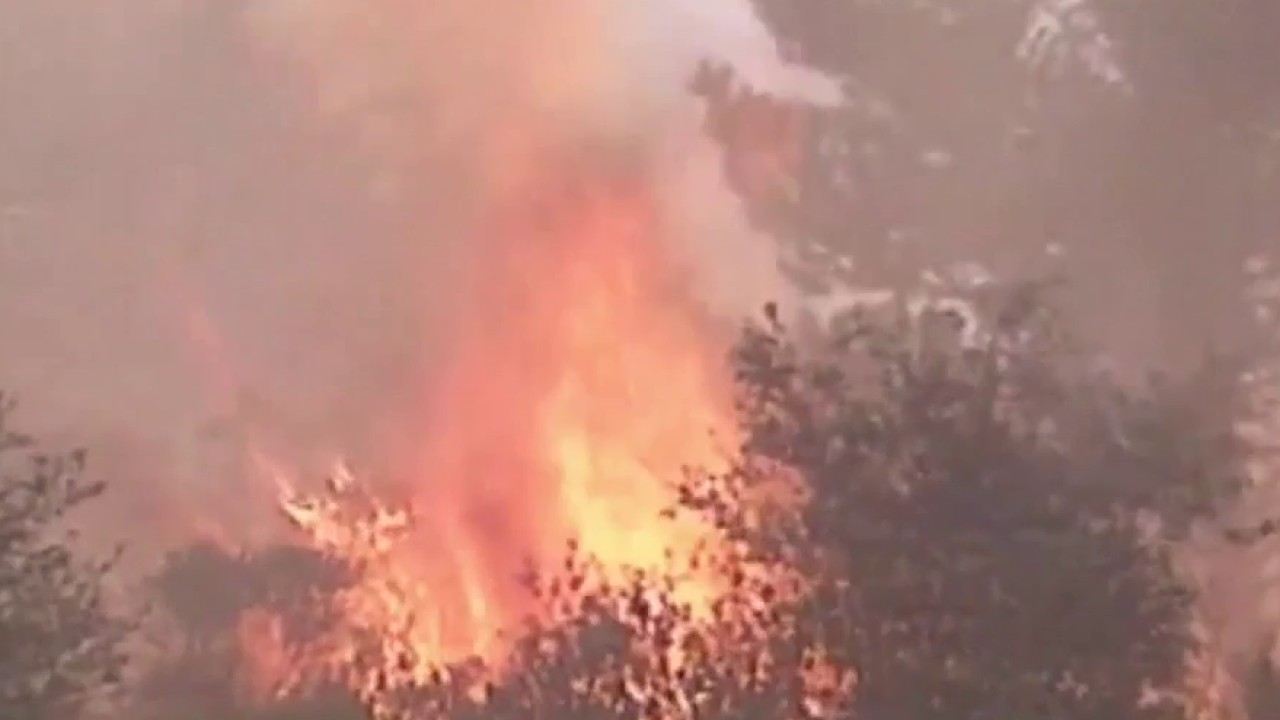
The 1991 Oakland-Berkeley Hills firestorm began with a small vegetation fire on October 19 before powerful winds drove flames through the hills above Oakland and Berkeley, California. The blaze ultimately consumed about 1,520 acres and became one of the most destructive wildfires in the state’s history.
The fire was initially brought under control, but embers were reignited the following morning as dry winds reached more than 70mph. Fanned by the severe conditions, the flames spread rapidly through scrubland and residential areas.
The Oakland-Berkeley Hills firestorm
Twenty-five people were killed and about 150 injured in the disaster. Thousands of homes were destroyed as the fire swept through the densely built hills, with much of the damage occurring within hours.
Firefighting efforts were further hampered when the flames and power failures knocked out eight pumping stations and affected 10 residential reservoirs in Oakland’s water system. The disruption left crews struggling to maintain supplies to hydrants as they tried to contain the fire.
Officials later estimated that more than 20 million gallons of water were used during the operation. Firefighters from across Northern California were called in to support Oakland and Berkeley crews, while police and emergency agencies worked to evacuate residents from the path of the fire.
The Oakland-Berkeley Hills firestorm remains a defining event in the region’s history, and is remembered each October as a warning of the speed and destruction that wind-driven wildfires can bring to communities built along the East Bay hills.
