


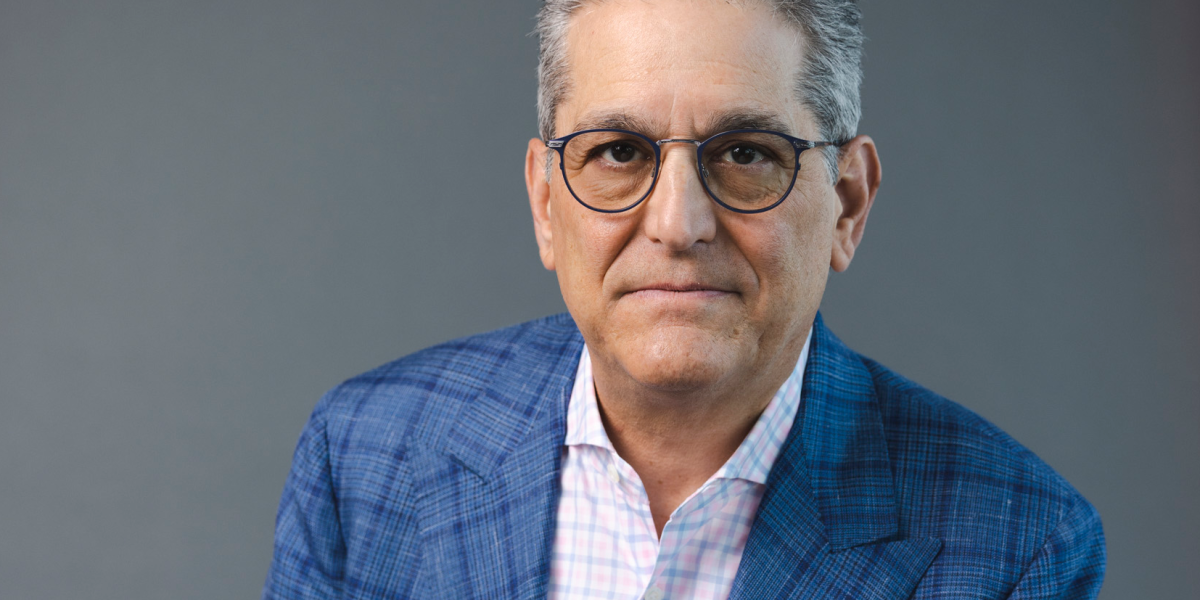
Eric Becker, the co-founder and co-chairman of US wealth manager Cresset, has described how the death of his daughter Cara changed his understanding of an “ethical will” — a personal record of values, experiences and life lessons intended to sit alongside a formal estate plan.
Becker said he began writing his first ethical will in 2007, with the aim of ensuring that his wife, Jill, and their children, Greg, Cara and Jake, would have his own words if he died unexpectedly. He later rewrote it following Cara’s death from complications of leukaemia.
That experience, he said, revealed that the document was more than a contingency plan. It became a way of preserving the resilience, gratitude and perspective that had shaped his family, in his own voice rather than through the recollections of others.
Ethical wills and the transfer of family values
An ethical will has no legal force and does not determine how money or property is distributed. Instead, it can record a family’s history, the experiences that influenced its members, mistakes that provided lasting lessons, and the principles that guided decisions about work, relationships and responsibility.
Becker argues that such documents deserve greater attention as the United States prepares for an estimated $84 trillion transfer of wealth by 2045. While families commonly use lawyers, trusts and tax planning to organise the movement of assets, he believes far less effort is devoted to passing on the judgment and knowledge that helped create them.
“An estate plan can explain what you are leaving behind and how it should be transferred. An ethical will can help explain why,” he wrote.
Becker, whose Cresset profile says the firm has more than $260 billion in assets under management and advisement, said his own values had been shaped by several generations of family members, as well as by mentors, colleagues and friends.
His grandparents taught him about family and hard work, he said, while his mother encouraged curiosity and education. His father, an entrepreneur, impressed upon him the importance of generosity, communication, resourcefulness and relationships. Jill, he added, taught him about resilience, presence and finding joy in life.
He first encountered the idea through Susan Turnbull, an ethical-will specialist who helped him prepare his initial draft. Becker now regards the document as something that should evolve rather than be written once and filed away.
He has urged families considering an ethical will to begin with their own stories: the people who shaped them, the experiences that changed them and the mistakes that taught them lessons worth preserving.
The purpose, he said, should not be to dictate how children live. Rather, it is to offer them a record of where their family came from and a source of perspective to which they can return when facing difficult decisions of their own.
