


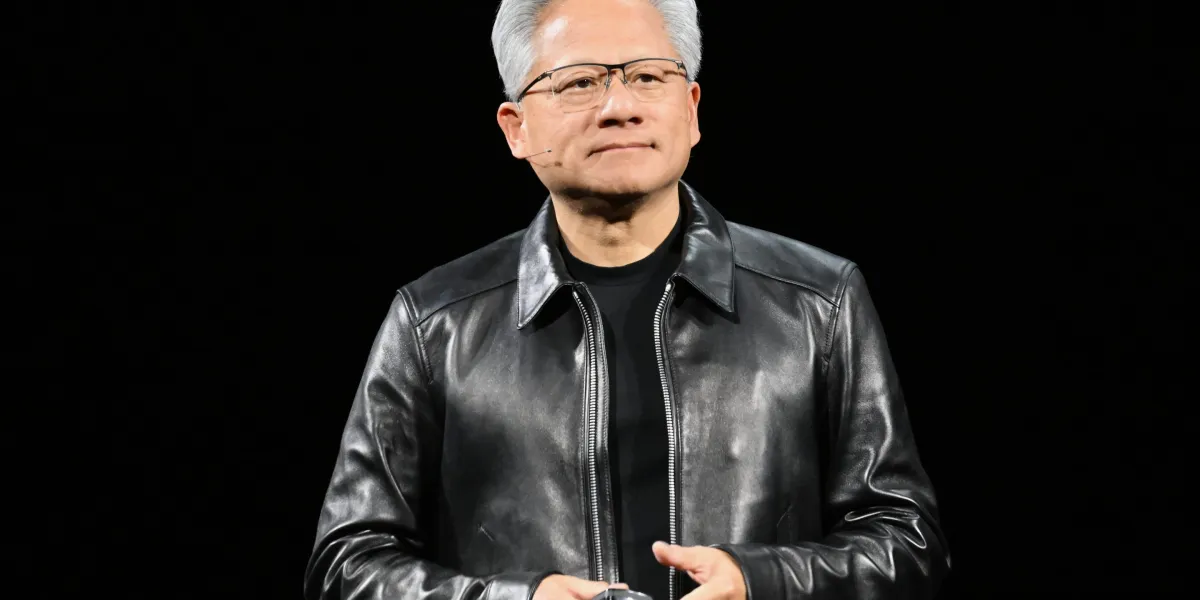
Nvidia has opened an investigation into reports that chief executive Jensen Huang was the target of a foreign intelligence operation, as the United States steps up efforts to protect sensitive technology and counter alleged economic espionage.
The company’s board said an independent committee, supported by external legal counsel, would oversee the inquiry. Mr Huang supports the review and will co-operate with it, the board said.
“The Board prioritizes U.S. national and economic security, which is paramount to the interests of NVIDIA and our shareholders,” it said. “While the Board has no reason to believe that either national security or NVIDIA secrets were compromised, the Board’s inquiry will examine all available information.”
The investigation follows reports that Mr Huang had a romantic relationship with Alice Huang, an executive at Singapore-based data centre company Megaspeed. US intelligence officials suspect she was recruited by China’s Ministry of State Security, while surveillance allegedly showed her passing information to China.
Jensen Huang, who is not related to Alice Huang, is reported to have acknowledged the affair and apologised to Nvidia employees in an internal message.
“I was unfaithful to my wife. My actions hurt her and our children. There is no excuse for what I did. I am deeply sorry,” he said.
Nvidia and Megaspeed did not immediately respond to requests for comment.
Mr Huang is a central figure in the US artificial intelligence industry. Nvidia produces advanced chips used to power large language models, making the company’s technology a focus of US export controls and national security concerns.
The Trump administration has restricted exports of Nvidia’s most advanced products to China, while President Donald Trump has repeatedly cited the US-China competition over artificial intelligence as a reason to maintain the pace of development.
Megaspeed became one of Nvidia’s largest customers in Asia, buying more than $4.8 billion worth of chips over the past two years. The company was also investigated by the US last year over allegations that it helped smuggle restricted AI chips into China, which it denied.
US intensifies economic security efforts
The Nvidia inquiry comes amid reports that US defence and intelligence agencies are taking a more aggressive approach to industrial espionage and economic warfare.
The Pentagon is reportedly considering a programme involving “nonofficial cover officers” posing as business executives, while the Defence Department is also alleged to have established an elite agency aimed at covertly disrupting foreign technology programmes seen as a threat to US military superiority.
The department has denied those reports, saying the claims were based on information that was “simply not true” and accusing whoever supplied them of being “badly misinformed or deliberately leading you astray to peddle their fantasies”.
However, CIA deputy director Michael Ellis said in September that the US was expanding espionage operations against China by targeting companies working in sensitive sectors including artificial intelligence, biotechnology and semiconductors.
The Pentagon has also formed an Economic Defense Unit tasked with “deterring, denying, disrupting, and helping to defeat adversaries through economic means”, according to reports.
