


Ancient artefacts found in a sealed closet in Pompeii are offering a glimpse into the daily lives of residents before the city was destroyed by the eruption of Mount Vesuvius in AD 79.
The discovery was made in a house in the central part of the Roman city, where archaeologists are investigating areas surrounding a property first excavated in 1912.
Among the objects recovered were cosmetics, an incense burner, a bronze lantern and a balsam jar. Researchers also found vessels made from bronze, glass and ceramic, along with a finely decorated snuff bottle featuring a pine design.
A wooden chest of drawers contained weights thought to have been used in commercial activity. The closet also held a necklace made up of at least 20 miniature objects, including pieces of bone and crystal.
The necklace represented several deities and may have been regarded as magical in Roman times. Known as crepundia, such rattles carried amulets intended to protect children, although some people kept them into adulthood as reminders of childhood.
The Pompeii Archaeological Park said the find also reflected the geographical mobility of the Roman world, when people ranging from enslaved individuals to wealthy merchants often lived far from their families and places of origin.
Thirty-eight bronze coins were discovered in a container made from plant material. Their presence has led archaeologists to believe that the owner or owners did not have time to retrieve valuables from the house.
It is not known what happened to the people who owned the possessions. They could have fled the eruption and been unable to return, or died during the disaster, in which an estimated 15 to 20 per cent of Pompeii’s population perished. They may also have died later without heirs able to reclaim the items.
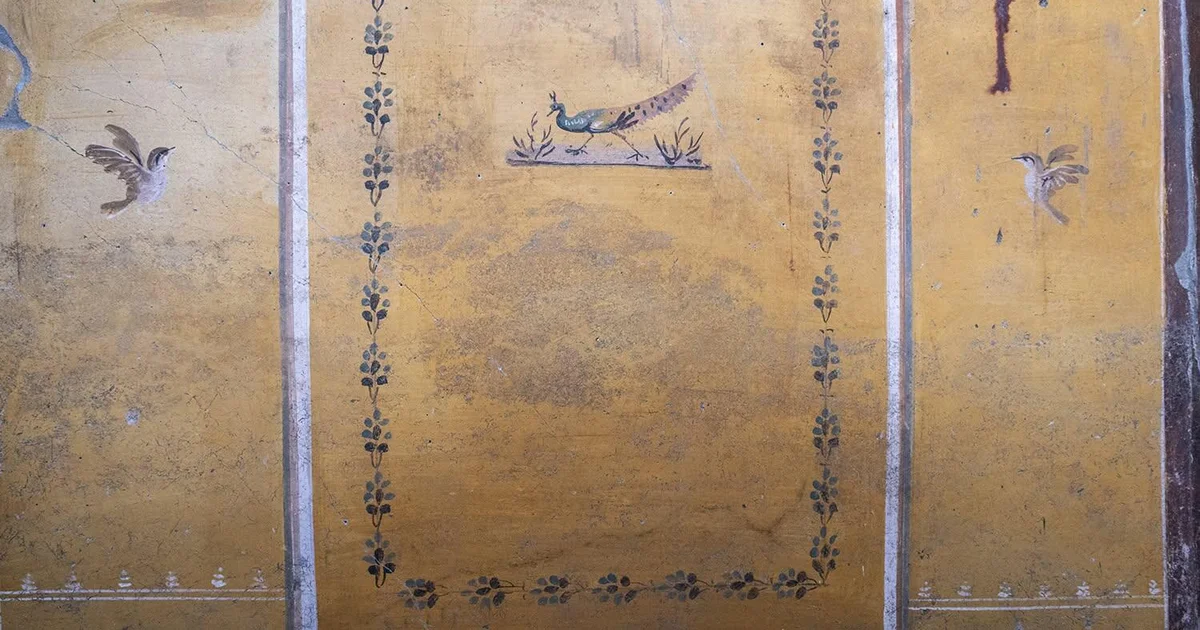
Paintings in the property and its position on one of Pompeii’s main streets suggest that its residents enjoyed a certain standard of living. However, mouse skeletons found inside the house point to the presence of unwanted pests, which were also found elsewhere in the city.
The house was previously attributed to a man named Cornelius Maximus, based on inscriptions that are no longer visible. The newly uncovered possessions are unlikely to establish the identity of the residents, but they are helping researchers reconstruct aspects of their lives.
Gabriel Zuchtriegel, director of the Pompeii Archaeological Park, said: “We cannot reconstruct with certainty the identity of those who lived in the house, but these fragments bring us closer to their daily lives.”
Pompeii, now a UNESCO World Heritage Site and tourist attraction, continues to be investigated beneath layers of volcanic ash and pumice that preserved much of the ancient city.
