


A team of researchers at the Universidad de Sevilla has found that creatine supplementation can prevent brain inflammation, neuronal damage and disrupted electrical activity in the hippocampus of rats with chronic colitis, in a study published in Brain, Behaviour and Immunity. The damage caused by gut inflammation was markedly more severe in male rats than in females.
The study adds to growing evidence of the gut-brain axis, the two-way communication network linking the digestive system with the central nervous system. Inflammatory bowel disease, which includes Crohn’s disease and ulcerative colitis, involves persistent intestinal inflammation and is linked to mood and cognitive difficulties arising in part from signals that travel from the gut to the brain.
Previous work from the same research group has mapped how this process unfolds. A 2018 study showed that a short burst of gut inflammation heightened seizure risk and anxiety-like behaviour in mice. In 2022, researchers found that acute gut inflammation in rats accompanied brain inflammation and drove greater excitability in motor cortex neurons. A 2024 study linked chronic colitis with memory problems, motor deficits and anxiety- or depression-like behaviours in rats, with females showing more anxiety and males exhibiting stronger brain inflammation.
To probe what happens specifically to hippocampal cells during chronic colitis, the team, led by María José Peral, Pablo García-Miranda and Livia Carrascal, conducted experiments in young male and female rats. The hippocampus, a seahorse-shaped brain region deep within the brain, is crucial for learning and memory as well as emotional processing.
Co-author María D. Vázquez-Carretero explained that people with IBD commonly suffer mood and cognitive difficulties, and that prior work had suggested hippocampal alterations. The team therefore examined how chronic colitis affects hippocampal neurons and whether male and female rats respond differently.
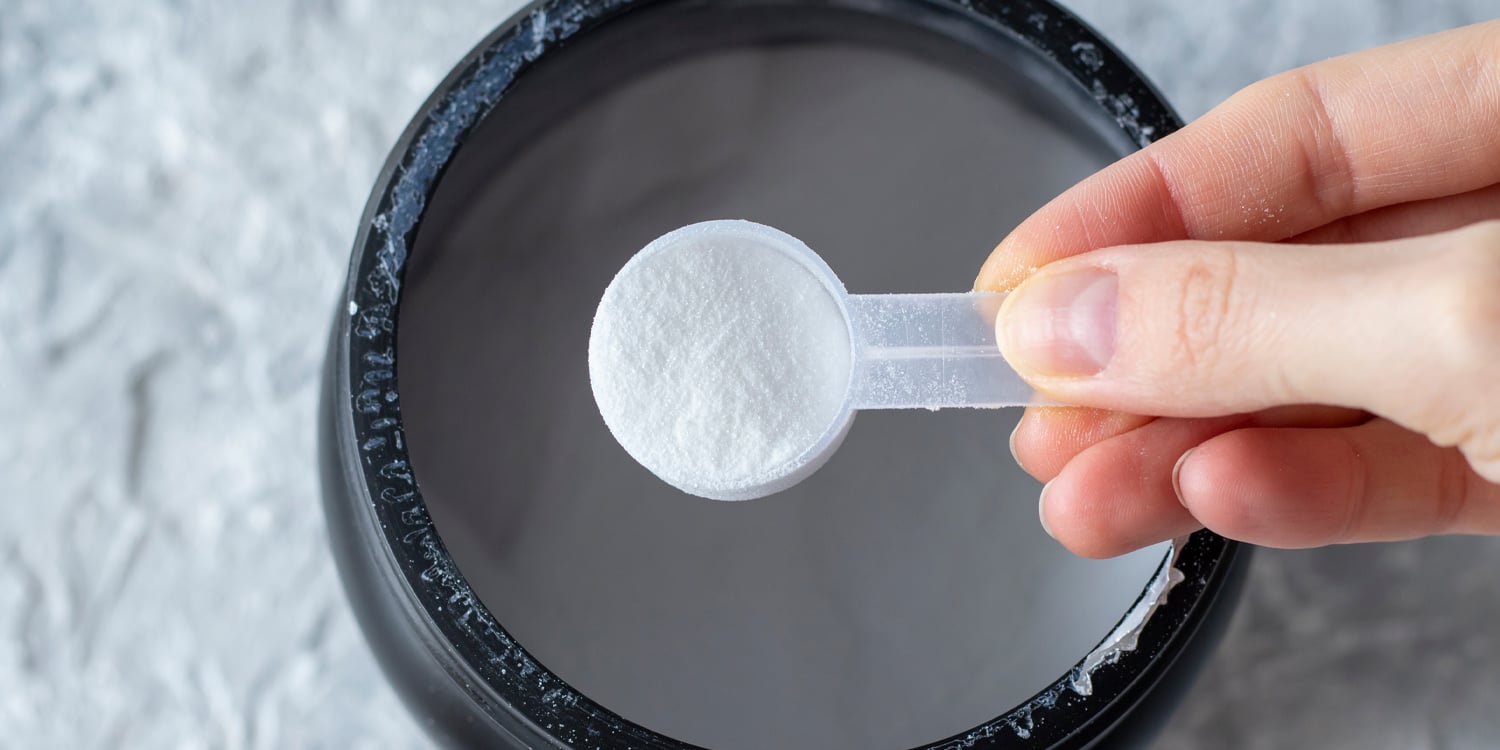
In parallel, the researchers explored whether creatine, a naturally occurring compound known for energy supply to cells, could protect the hippocampus from the consequences of intestinal inflammation. Creatine is widely recognised as a sports supplement, but the scientists framed it as a potential neuroprotective agent.
“Because managing the effects of IBD beyond the intestine remains challenging, we investigated whether creatine, a naturally occurring compound, could protect the hippocampus from the effects of intestinal inflammation,” Vázquez-Carretero said.
The study used four groups of rats: healthy controls given plain water, healthy controls given creatine, rats with colitis, and rats with colitis given creatine. Colitis was induced with dextran sulfate sodium in the drinking water across three one-week cycles separated by weeks of plain water, modelling flare-ups and remissions. Creatine was added to drinking water at a daily dose of 1 gram per kilogram of body weight, starting ten days before colitis and continuing throughout. Five to seven animals per group were used for each type of measurement.
After more than a month, the researchers assessed the rats’ hippocampi, measuring inflammatory markers, neuronal health and electrical properties using patch-clamp recording to monitor cellular electrical currents.
Chronic colitis reduced hippocampal creatine in both sexes and triggered a robust immune response in the brain. Microglia, the brain’s immune sentinels, became activated, and inflammatory molecules rose in both male and female rats.
Sex-specific effects emerged. Male rats with colitis showed physical damage to hippocampal neurons, including loss of structural proteins and fewer neurons in the CA1 region. In contrast, female neurons preserved their structure despite inflammation.
Electrophysiologically, male colitis rats exhibited leaky membranes and a rise in the rheobase—the minimum current required to trigger a neuron’s firing—by about 60 per cent, indicating reduced neuronal excitability compared with controls. By contrast, female neurons did not show significant electrical changes, though colitis raised the level of the Cav1.2 calcium channel in the hippocampus.
“The changes were not limited to a single marker,” Vázquez-Carretero noted. “We found converging evidence of neuroinflammation, neuronal damage, and altered electrical properties of hippocampal neurons, particularly in males. Together, these findings suggest that chronic colitis can produce biologically meaningful alterations in hippocampal function.”
She added that the sex differences were striking: “Male rats showed greater hippocampal neuroinflammation, neuronal damage, and alterations in neuronal electrical properties, whereas females were less affected at the functional level.”
Creatine supplementation largely prevented these changes. In colitic rats given creatine, hippocampal creatine levels were about 20 to 30 per cent higher than in unsupplemented colitic rats, reaching levels similar to healthy animals. Creatine blocked microglial activation and halted the rise in inflammatory molecules in both sexes. In females, the supplement had a particularly strong effect in suppressing the inflammatory molecule tumour necrosis factor.
Because female rats did not show the same structural and electrical damage, creatine’s protective effects appeared more pronounced in males, preserving neuronal structure and stabilising electrical properties in that sex. The authors stressed that creatine seems to act on pathways altered by disease rather than simply boosting healthy cells.
“Creatine also appeared to have a greater effect in males, but this seems to reflect their greater initial pathological burden rather than a sex-specific response to creatine,” Vázquez-Carretero observed.
The findings dovetail with earlier work by the same team, also highlighted by PsyPost in 2025, which indicated that creatine prevents colitis-induced brain inflammation across both sexes, albeit focusing on different brain regions and behavioural outcomes.
As with all preclinical work, researchers caution against extrapolating directly to humans. “It is important not to interpret our results as showing that creatine is a treatment for inflammatory bowel disease or that people with colitis should take creatine to protect their brains,” said Vázquez-Carretero. “Our study was conducted in rats under controlled experimental conditions. The results suggest that creatine may protect the brain from some consequences of chronic intestinal inflammation, but further research is needed to determine whether these effects also occur in humans.”
She added that there is growing evidence of brain function alterations in people with IBD, though the exact relevance to the present findings remains to be established. The study’s authors acknowledge relatively small numbers for the specific electrical and molecular measurements and note that the recordings measure overall ion flow rather than single-channel activity. They emphasise that creatine was administered before colitis began, addressing prevention rather than treatment, and that they measured cellular and electrical changes rather than memory or behaviour. Consequently, it is unclear whether the protection arises mainly from reduced gut inflammation or direct action on brain cells.
“We think this study highlights how closely connected the gut and the brain are,” Vázquez-Carretero told PsyPost. “It also reinforces the importance of studying both sexes when investigating how chronic inflammation affects the brain.”
She added: “We are also interested in determining how creatine protects hippocampal neurons and whether this protection is related to its role in cellular energy metabolism. Ultimately, our goal is to determine whether these mechanisms are also relevant in humans and whether creatine could eventually be explored as a complementary strategy in people with chronic intestinal inflammation.”
The study, Modulating effects of creatine prevent sex-dependent hippocampal neuroinflammation, neuronal damage, and electrophysiological dysfunction induced by chronic colitis, lists Alejandro Ruiz-Calero, María Ortego-Domínguez, María D. Vázquez-Carretero, Gema Sotelo-Parrilla, Nora Martínez-Gómez, María L. Calonge, Ricardo Pardillo-Díaz, Carmen Castro, Pedro Nunez-Abades, María J. Peral, Livia Carrascal, and Pablo García-Miranda as authors.
