


Australia’s central bank has raised interest rates to a 15-year high, lifting its benchmark cash rate to 4.6 per cent as it tackles inflation that has remained above target. The Reserve Bank of Australia’s board voted unanimously for the quarter-point increase despite rising unemployment, falling house prices and weak economic growth.
The decision adds more than A$90 a month to repayments on a typical A$600,000 mortgage with 25 years remaining. It takes the cash rate one percentage point higher this year after four increases.
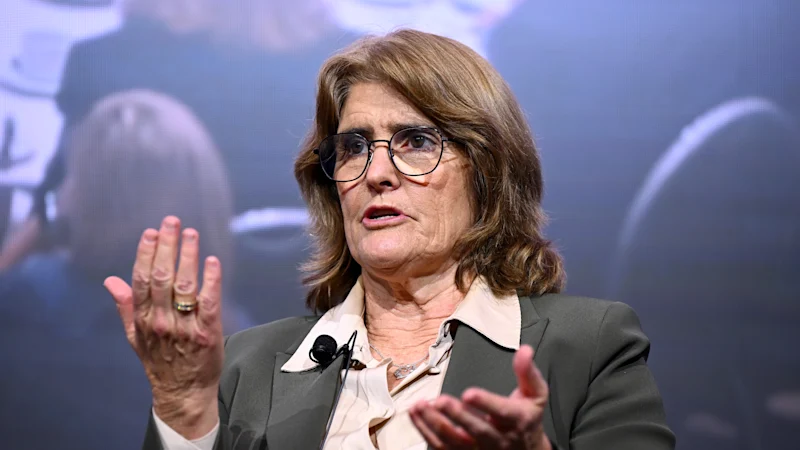
Reserve Bank governor Michele Bullock and her fellow board members left open the possibility of further rises, saying they would continue to do what was necessary to bring inflation sustainably back to target, “including increasing the cash rate target further if needed”.
The RBA said previously identified risks to inflation were now emerging, pointing to disruption caused by war in the Middle East, the artificial intelligence boom and price increases across the economy.
“There have been further disruptions to global oil supply and recent data suggest that growth and inflation in Australia have been higher than expected,” the board said. “Higher fuel prices have partially been passed through to prices of other goods and services. This inflation impulse is in addition to the effect of capacity pressures in the economy.”
Australia’s inflation rate is 3.5 per cent, above the RBA’s target range of 2 to 3 per cent for much of the past five years. Inflation peaked at almost 8 per cent at the end of 2022 before briefly returning to the target range during 2024 and 2025.
Higher rates add pressure to Australian households
Petrol prices have risen well above A$2 a litre over the past month as the conflict in the Middle East continues to disrupt global oil supplies. The increase has prompted pressure on the Albanese government to revive fuel excise cuts that subsidised costs for four months between April and July.
Shane Oliver, chief economist at AMP, said higher interest rates and petrol prices had increased monthly costs for an average household with a mortgage and a petrol car by A$530 since January.
“After more than five years of inflation being above target, threatening RBA credibility, it does not have the luxury of continuing to ‘wait and assess’,” he said before the decision.
Mr Oliver said he expected evidence of a cooling economy, falling home prices, a weaker jobs market and rising recession risks to emerge by the November meeting, meaning he did not expect a second or third increase to be necessary.
The unemployment rate reached 4.6 per cent last month, its highest level in almost five years. Ms Bullock warned last week that it might need to rise as high as 5 per cent to ease inflationary pressure.
The RBA acknowledged uncertainty over the effect of the housing downturn, saying weak productivity growth was constraining potential growth. House values have fallen for five consecutive months, according to figures released earlier in September.
The latest increase puts Australia’s official interest rate above those of the United States, at 4 per cent, and the UK, at 3.75 per cent, according to the figures cited in the decision’s aftermath. The last time Australia’s cash rate was above 4.5 per cent was October 2011.
Mortgage debt has more than doubled since then, rising from A$1.05 trillion in 2011 to A$2.51 trillion. The economy grew by 2.1 per cent in the last financial year, although GDP per person increased by only 0.7 per cent, while the RBA forecasts growth of 1.5 per cent in the year to June 2027.
Financial markets had broadly anticipated the decision. The ASX 200 index, which had been up 0.11 per cent before the announcement, was down 0.04 per cent shortly afterwards.
