


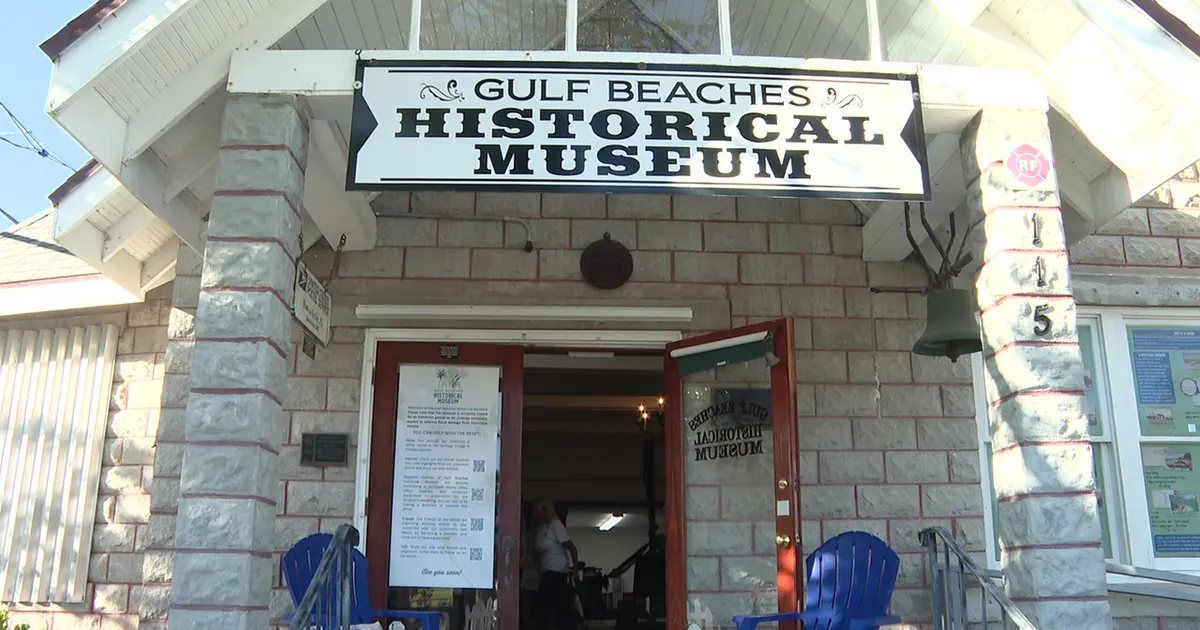
A museum in St Pete Beach remains closed two years after Hurricane Helene flooded its historic building, with restoration work not expected to be completed until 2029.
The Gulf Beaches Historical Museum in Pass-a-Grille briefly opened its doors on Saturday, 26 September, for a community event where residents shared memories of the storm and viewed the damage that remains inside.
Helene’s storm surge sent about 4.5ft of water into the museum, damaging display cases, shelving, maps, books and other items. Jerry Sarubbe, the museum board’s vice-president, said roughly 70 per cent of the collection had been salvaged.
The surviving material includes logs recording the Pass-a-Grille Beach Sunset Bell tradition, which has been maintained for about 25 years. The bell has been rung every day apart from four days during the Covid-19 pandemic, and a volunteer ensured the ritual continued even as Helene struck the coast.
Hurricane Helene stories preserved for the future
Saturday’s gathering was not a full reopening. Instead, it allowed people to look around the building, see a temporary display and record their experiences of the hurricane.
Organisers are compiling those accounts into an oral archive, with the intention of creating a multimedia presentation when the museum’s renovation is finished. The project is designed to preserve the impact of Helene on the Gulf Beaches community through the memories of those who experienced it.
The museum occupies a former church built in 1917. The building later became a private home before being given to Pinellas County, which owns the site, while the museum is run by volunteers.
The museum’s website says its artefacts have been moved to safety at Heritage Village in Pinellas County while repairs take place. Fundraising is also under way for replacement display cases, office equipment and other items needed before the collection can be put back on show.
Pinellas County project remains at design stage
Pinellas County officials recently inspected the property, but the restoration project has not yet moved beyond the design stage.
County plans published this week say the design phase is expected to run from autumn 2026 until spring 2028, with construction scheduled to take place between spring 2028 and spring 2029. The work will address damage caused by Helene and consider measures such as raising the buildings to reduce the risk of future flooding.
The project is being funded through Federal Emergency Management Agency money and Pinellas County general-fund reserves. A public information meeting is expected to be held in 2027, with another planned before construction begins.
Sarubbe said a realistic reopening date was 2029, leaving volunteers to continue preserving the museum’s collection and gathering stories from the community in the meantime.
