


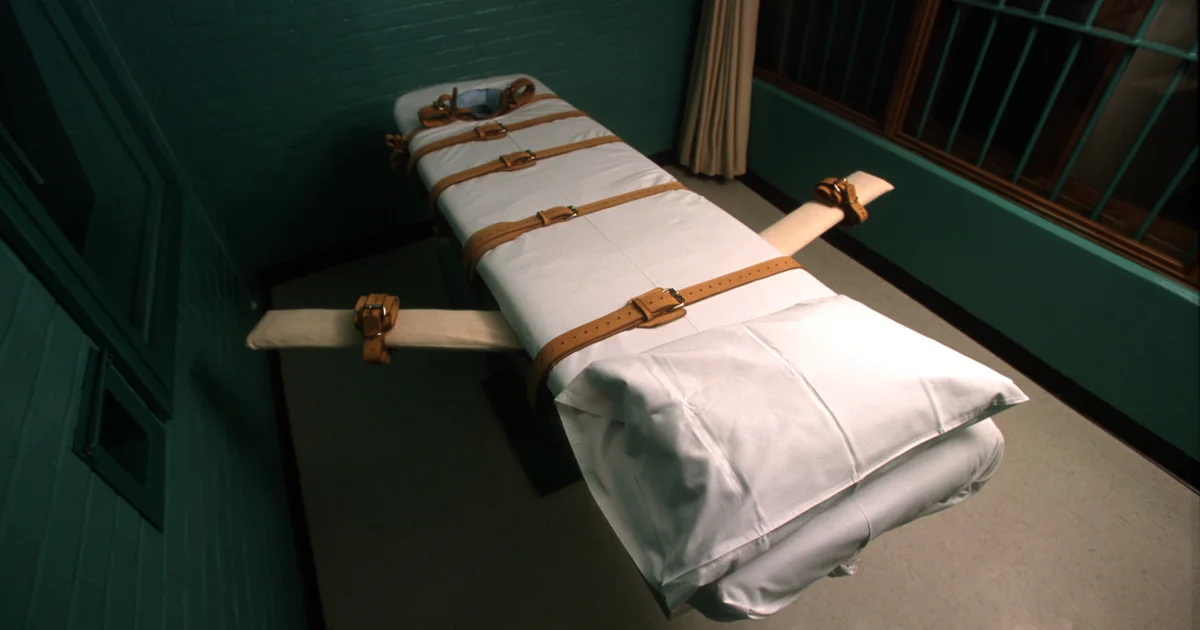
A Texas court has refused to halt the planned execution of Jamaal Howard after his lawyers cited the failed lethal injection of Christa Pike in Tennessee and raised concerns about the condition of Texas’s execution drugs.
Howard, 46, was due to be put to death later on Wednesday, in what would have been the first US execution since Pike survived an execution attempt last week. Texas intended to use pentobarbital, the same drug administered to Pike.
In an emergency filing, Howard’s lawyers argued that the drug could pose similar risks and questioned whether Texas’s supply remained safe and effective. The Texas Court of Criminal Appeals rejected the request without giving a reason.
“Texas should not be eager to follow in Tennessee’s footsteps; a stay would keep that from happening,” the lawyers said in their filing.
Pike’s attorneys have sought further information about what went wrong after she survived two doses of pentobarbital. She was reported to be awake and speaking on Tuesday, although her lawyers said her prognosis remained unclear and that they expected a long recovery.
They alleged that the procedure had been complicated by blown veins, in which a needle passes through a vein and causes blood and fluid to leak, as well as deteriorated pentobarbital and a lack of emergency medical care. One of Pike’s lawyers said doctors were working to remove the drug from her body and that she was on a ventilator.
Howard’s lawyers said there was “a similar risk” that Texas’s drugs had degraded because they were past the original beyond-use dates permitted for medicines of this type.
Howard’s capital murder conviction
Howard was convicted of capital murder over the 2000 killing of convenience store clerk Vickie Swartout, 42, who was shot once in the chest during a robbery in Silsbee, a small town about 100 miles north-east of Houston.
Trial evidence included surveillance footage showing Howard shooting Swartout. Court records said he took 114 US dollars and a carton of cigarettes from the shop. He was 20 at the time.
His lawyers have also argued that he is intellectually disabled and should not be executed. Prosecutors said he had not provided evidence meeting the requirements for such a claim.
The US Supreme Court barred the execution of intellectually disabled people in 2002, while allowing states some discretion over how such disabilities are assessed. Howard has a further appeal pending before the Supreme Court.
Texas has carried out six executions this year, with two more scheduled after Howard’s. If his execution went ahead, it would be the 30th in the United States in 2026.
