


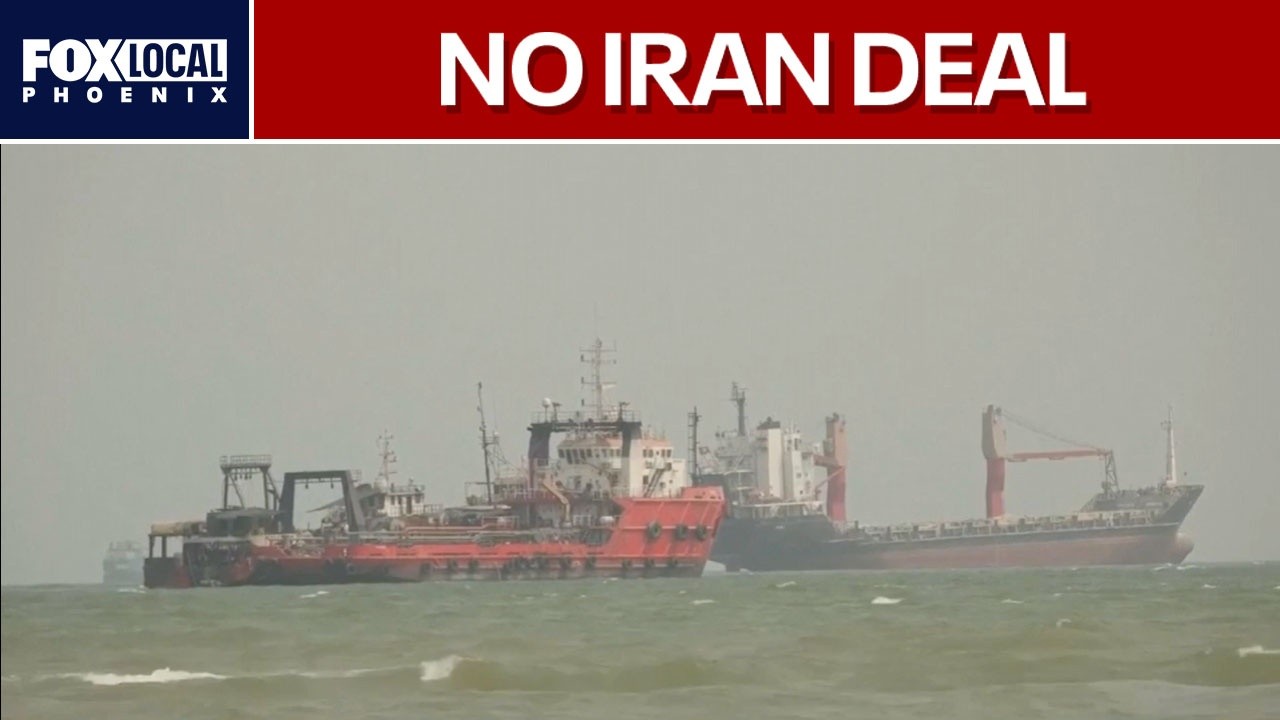
Donald Trump has rejected Iran’s proposal for a temporary ceasefire, insisting that any agreement must address Tehran’s nuclear programme as negotiations continue through regional mediators.
The plan, delivered to US officials through Qatar, would see the Strait of Hormuz reopened within seven days and nuclear talks resumed. In return, Iran sought the lifting of a US naval blockade, the removal of sanctions on its oil sales and a renewed ceasefire across the region.
“I reject their proposal,” Mr Trump told reporters on Saturday as he left the White House. He said Tehran wanted to reopen the strait because it was “losing so badly”, but added that the proposed agreement was not acceptable to Washington.
The Trump administration is demanding concessions on Iran’s nuclear activities, while Tehran has maintained that it will not give up its right to enrich uranium. The disagreement has left the two sides far apart despite a series of indirect discussions in New York during the United Nations General Assembly.
Iranian Foreign Minister Abbas Araghchi said Tehran was still waiting for an official response through the mediators and insisted that diplomacy remained the only way to resolve the conflict.
“Only a negotiated solution can get them out of this deadlock,” Mr Araghchi said in a social media post, adding that any move to reopen the Strait of Hormuz was conditional on Iran’s demands being met.
Further indirect talks between US and Iranian negotiators are expected this week, with Qatari officials continuing to shuttle between the two sides. Mr Trump told Axios that he expected more discussions, but said the deal Iran wanted was not the one he was prepared to accept.
The Strait of Hormuz has become a central point of the dispute, with the conflict severely disrupting shipping and oil flows through the strategic waterway. The standoff is also increasing pressure on the White House as energy prices rise ahead of the US midterm elections in November.
