


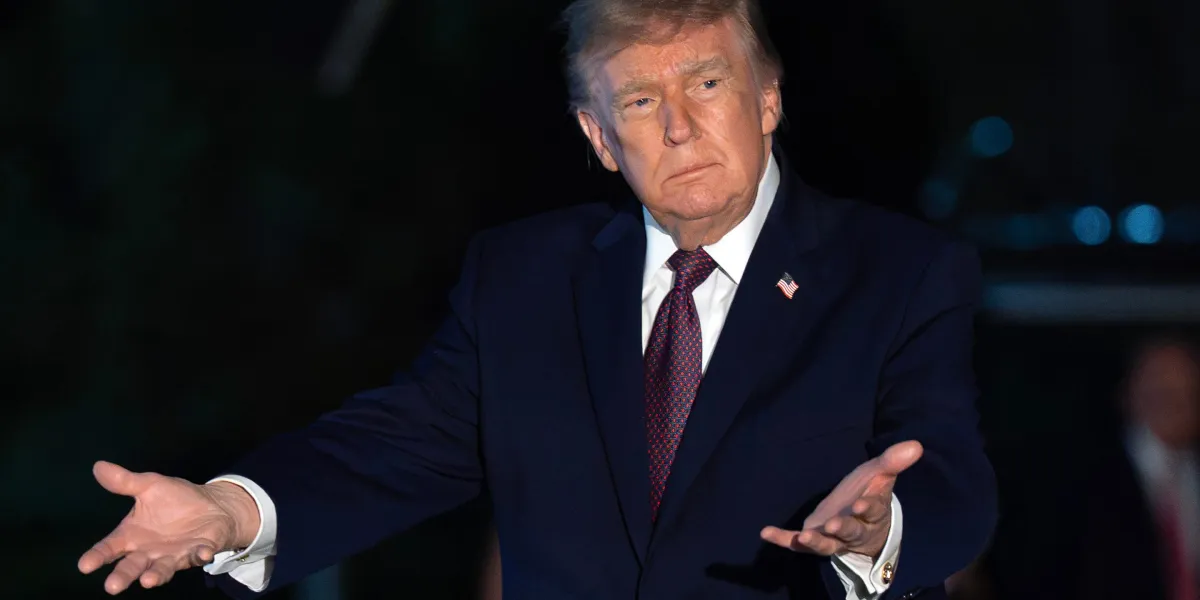
Donald Trump has announced one-off $90 Medicare payments for more than 20 million seniors, just weeks before the 3 November midterm elections.
The payments will be aimed at people enrolled in Medicare Part B and are intended to help cover their premiums. The White House said they would be issued in October, either by direct deposit or cheque.
The announcement follows Trump’s pledge last month that about one million people would receive $500 rebate cheques for Affordable Care Act premiums. He has also promised every American adult a $5,000 payment if Republicans retain control of both the House of Representatives and the Senate.
That proposal would require approval from Congress and would likely cost more than $1 trillion, adding to the deficit and worsening inflation.
Who is eligible for the $90 Medicare payment?
The White House said the money would come from the Medicare Improvement Fund, which Congress established in 2008 as flexible funding to improve the programme’s operations and payments to healthcare providers.
Eligible recipients must live in the US and must not already receive premium assistance through Medicaid or pay income-adjusted monthly premiums. People enrolled in Medicare Advantage, the private-plan alternative to traditional Medicare coverage, will not qualify.
More than half of eligible Medicare beneficiaries are enrolled in Medicare Advantage, according to healthcare research non-profit KFF.
Medicare Part B covers services including doctors’ visits, ambulance services and laboratory tests. Total monthly costs start at about $200 and vary according to income.
Previous administrations have not used the Medicare Improvement Fund in this way, although Congress has periodically redirected money from it to other priorities. Larry Levitt, KFF’s executive vice-president for health policy, said $20.74 billion had been used to help create the Affordable Care Act in 2010.
“The Medicare Improvement Fund language is quite broad and gives substantial discretion to the administration,” Mr Levitt said.
The announcements come as polls show Americans increasingly blaming Trump for the cost of petrol and groceries. Just 17% approve of his handling of inflation, although the president has sought to dismiss affordability concerns by saying the economy is booming.
