


Iran has offered to cut the implementation period for a potential peace deal with the United States from seven days to two, describing the proposal as a goodwill gesture despite Washington’s doubts about the prospects of an agreement.
Foreign Ministry spokesman Esmaeil Baqaei said any deal would have to include the core conditions agreed under the previous Islamabad agreement in June. Those terms included lifting US sanctions, ending the US naval blockade of Iranian ports, unfreezing Iranian assets and securing a ceasefire across all fronts in the Middle East.
“If the other side is genuinely even minimally serious, Iran can fulfil its own commitments within two days,” Mr Baqaei told Iranian journalists. “We have already demonstrated that we are serious about fulfilling our commitments.”
The earlier ceasefire collapsed after several weeks, when Iran said the continuing US naval blockade breached its terms.
However, US Secretary of State Marco Rubio has played down the prospect of an imminent breakthrough. Speaking before travelling to Paris for a G7 meeting, he said the two sides were not “at the verge of a breakthrough” and described Iranian demands as “simply not just unacceptable”.
The Trump administration is pressing Iran to accept conditions relating to its nuclear programme as part of an initial peace agreement. Tehran has maintained that such discussions can begin only after the fighting and threats have ended.
President Donald Trump is due to meet Qatar’s Prime Minister Sheikh Mohammed bin Abdulrahman Al Thani at the White House on Monday. Qatar has been acting as a key mediator in indirect negotiations between the US and Iran, with the Qatari leader seeking more time for diplomacy.
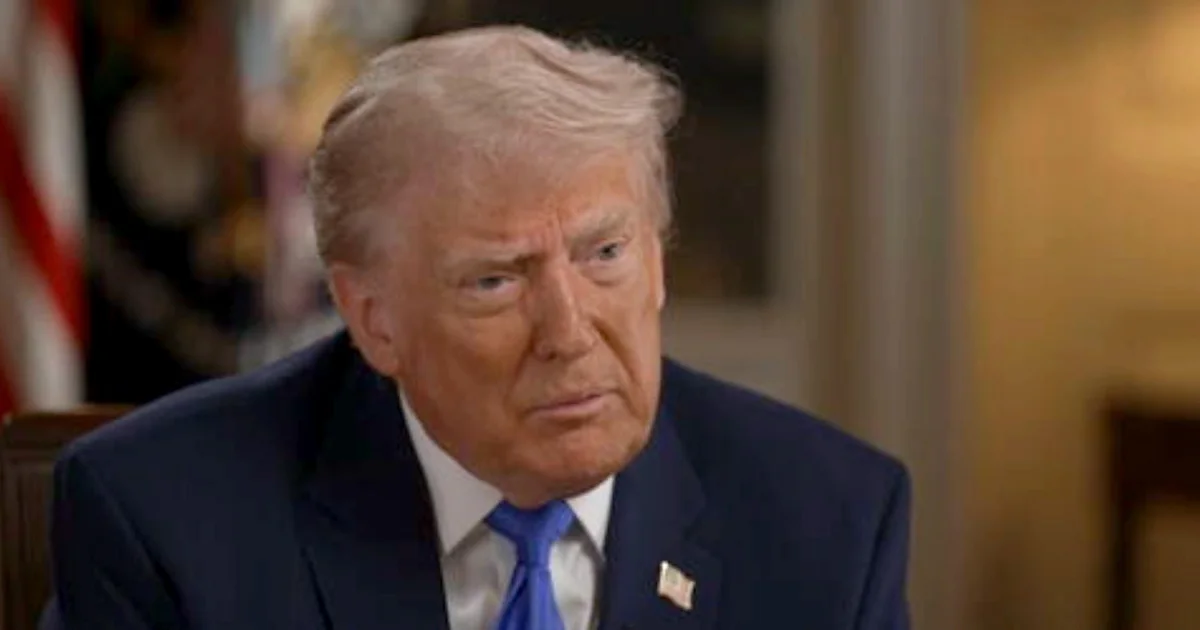
Mr Trump said in a television interview broadcast on Sunday that he was not seeking to intensify the war. “Well, I’m not looking to. I don’t think there’s any reason to,” he said.
He defended his decision to begin the conflict in late February, citing Iran’s nuclear programme, but acknowledged its effects in the short term. “I think, historically, this will be a very good decision,” Mr Trump said. “Is it a good decision for today and tomorrow? Maybe not.”
Meanwhile, Mr Trump said a new US military task force intended to extend the naval blockade to overland trade routes was “in full force and effect”. Task Force Iron Gate is intended to prevent military technology and illegal revenue streams from entering or leaving Iran, including through the Caspian Sea, although it remains unclear whether military force will be used.
