


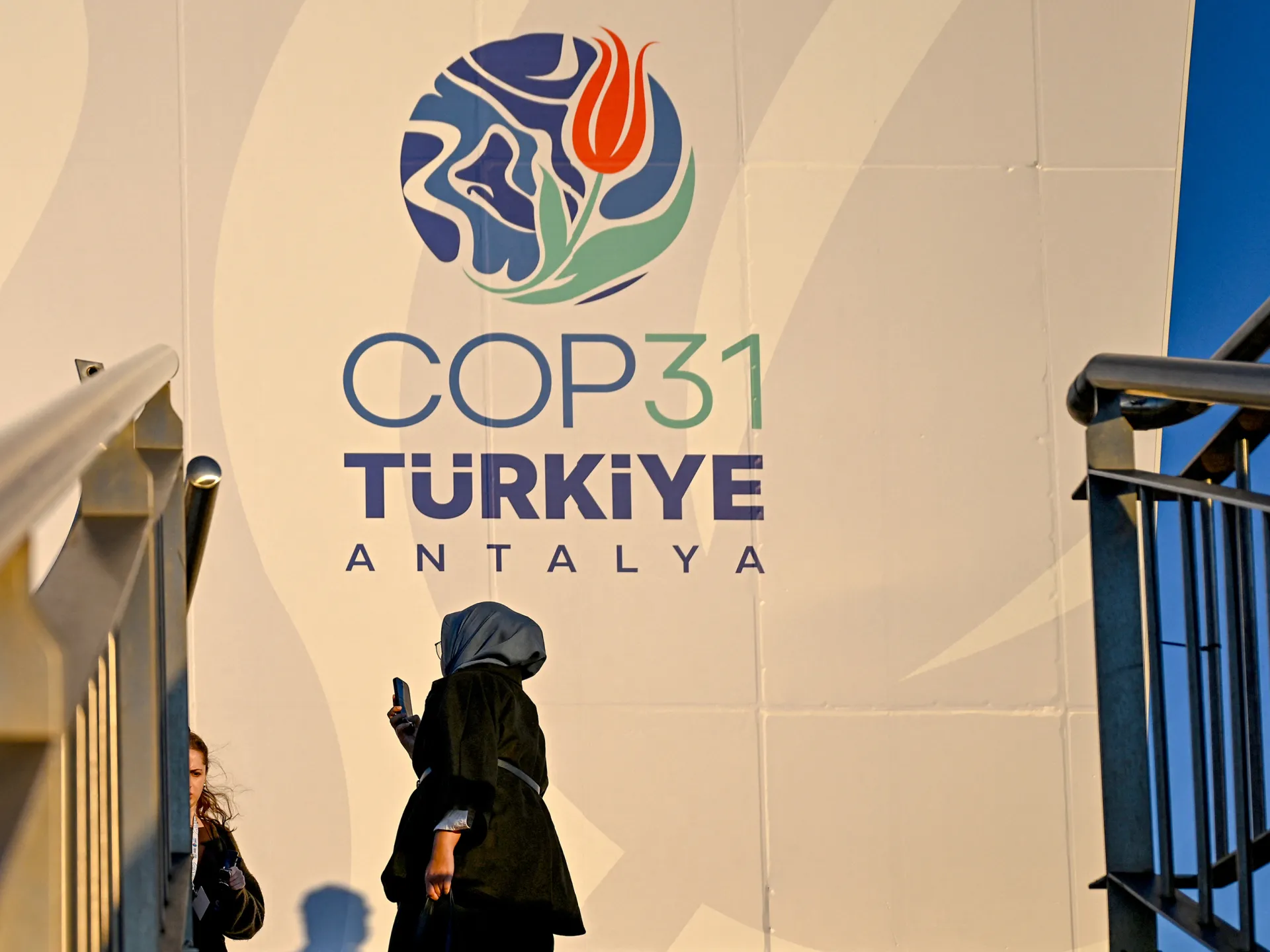
Turkiye will make electrification the central theme of COP31, as the United Nations climate conference opens in Antalya amid an energy crisis that has highlighted the world’s dependence on fossil fuels.
Ankara is backing a non-binding “35 by 35” Global Electrification Pledge, which seeks to increase electricity’s share of global energy demand to at least 35 per cent by 2035. Electricity currently accounts for about one-fifth of total final energy consumption worldwide, according to the International Energy Agency.
Turkish officials say the pledge would accelerate the move towards renewable energy while improving energy security. Murat Kurum, Turkey’s environment minister and president of COP31, said the disruption to energy supplies had underlined the risks of relying on imports.
“This year’s energy crisis has shocked us… everyone now understands that energy that you import is energy that you do not control,” Mr Kurum said.
“Electrification is the answer. It protects communities from volatile global markets and cuts emissions,” he added, describing the conference’s ambition as an effort “to usher in the age of electricity”.
Debate over the COP31 electrification agenda
Climate campaigners have criticised the pledge because it does not stipulate that additional electricity must come from low-carbon sources. That has prompted a wider argument over whether electrification by itself should be treated as progress on climate change.
A group of countries, including vulnerable South Pacific island nations, is calling for a clearer international plan to move away from fossil fuels. Oil and gas-producing states, including Saudi Arabia, maintain that fossil fuels can remain a significant part of the energy mix if technologies are used to reduce or capture their emissions.
The conference’s other priority areas include cutting methane, tackling waste, building climate-resilient cities, supporting green industrialisation, improving education and putting national climate plans into practice.
The meeting comes as the US-led war on Iran has disrupted oil shipments through the Strait of Hormuz, pushing up fuel prices internationally and forcing governments to seek alternative supplies.
US President Donald Trump has promoted policies aimed at maximising oil, gas and coal production in response to the disruption. South Korea, India, Thailand and other Asian countries have increased their use of coal or taken steps to expand coal-fired power, while renewable energy deployment has also grown amid rising exports of lower-cost clean technology from China.
